The following article highlights leading direct drive bike trainers that are well-suited for American homes. Direct-drive systems deliver accurate power data, quiet operation, and robust compatibility with popular training apps. This guide compares five top options, focusing on performance, ease of use, and whether they support your specific bike setup. A quick summary table is provided below for fast reference.
| Product | Brand | Key Feature |
|---|---|---|
| ThinkRider XXPRO Direct Drive (Black) | ThinkRider | Self-powered and downhill simulation |
| Tacx Flux S Smart Bike Trainer | Tacx | 3% power accuracy; near-silent operation |
| ThinkRider XXPRO Direct Drive (White) | ThinkRider | Self-powered with downhill simulation |
| Saris H3 Direct Drive Smart Trainer | Saris | Ultra-quiet; precise power feedback |
| Elite SRL Direto XR | Elite | Interactive direct-drive with high accuracy |
| Elite Suito-T Interactive Direct-Drive | ELITE SRL | Versatile compatibility; no cassette included |
ThinkRider XXPRO Direct Drive Black

The ThinkRider XXPRO Direct Drive trainer offers direct motor drive with high-precision data, claimed at ±1% accuracy, and requires no calibration. A standout feature is its self-power generation capability, allowing operation without a power adapter—convenient for power outages or setups far from an outlet. It also supports downhill simulation, automatically adjusting to map slopes to create a realistic riding experience. This model appeals to riders who want robust data and the flexibility of self-sustained power, especially in home gyms already featuring varied terrain training maps.
Tacx Flux S Smart Bike Trainer
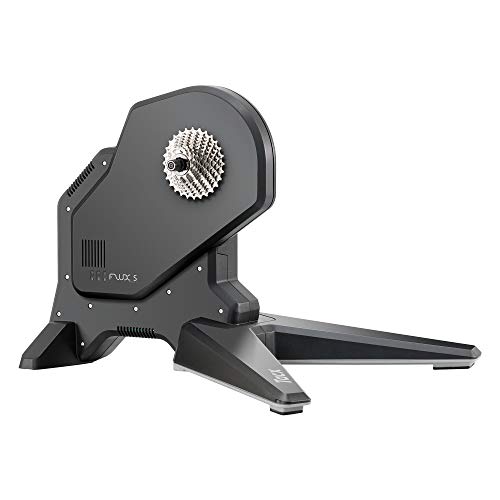
Tacx Flux S emphasizes quiet operation with a near-silent direct-drive system, making group rides or late-evening sessions more practical. It provides power measurements with a typical accuracy within 3%, which is suitable for most training plans and performance tracking. The Flux S also integrates with popular third-party apps like Zwift and TacX, offering a broad ecosystem for immersive workouts and race simulations. This model is well-suited for households seeking a balance of quiet operation and app compatibility.
ThinkRider XXPRO Direct Drive White

The white variant of the ThinkRider XXPRO mirrors the black model with the same core advantages: direct motor drive for precise data, self-powered operation, and downhill-slope simulation. Riders who want a cohesive set of features in a lighter visual aesthetic might choose this option for integration into a bright, energy-efficient home gym. As with the black version, expect strong performance in data accuracy and a realistic cadence under varied gradients.
Saris H3 Direct Drive Smart Trainer

The Saris H3 Direct Drive trainer emphasizes precision and quiet performance. It is designed to deliver precise power data and supports seamless connectivity with multiple indoor cycling apps via dual ANT+ FE-C and Bluetooth FTMS. The H3’s emphasis on high-fidelity feedback makes it attractive for riders who rely on accurate metrics to structure workouts and track progress over time, especially in a shared living space where discretion and low noise are priorities.
Elite SRL Direto XR Black

The Elite Direto XR is designed for interactive direct-drive training with strong power data feedback and compatibility with various training platforms. The Precision-oriented OTS power meter and high data reliability (typical accuracy around ±1.5%) are key strengths. The XR focuses on delivering a connected, immersive experience for riders who want rigorous data and robust integration with apps to support structured training blocks.
Elite Suito-T Interactive Direct-Drive
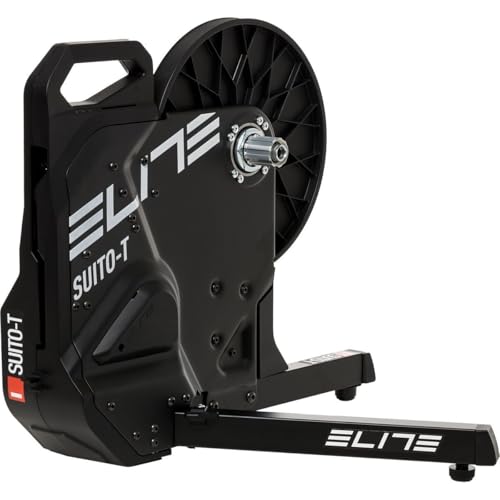
The Elite Suito-T is a versatile direct-drive trainer with interactive capabilities suitable for a wide range of bikes, including road, gravel, mountain, and city bikes. It emphasizes a seamless riding experience with adapters for different axles and robust app connectivity. Note that it does not include a sprocket cassette, so users should plan accordingly if their setup requires a different cassette configuration.
Buying Guide: Key Considerations for Direct-Drive Trainers
- Power accuracy and calibration: Look for models advertising ±1% to ±3% accuracy. Direct-drive systems typically deliver stable data, but calibration requirements vary by model.
- Noise level: If you share space with others, prioritize models marketed as quiet (often 59–70 dB at typical speeds). Ultra-quiet options help with late workouts or apartment living.
- App ecosystem and compatibility: Ensure the trainer supports your preferred apps (Zwift, TacX, TrainerRoad, etc.) and is compatible with your bike’s drivetrain (through-axle vs QR).
- Power generation vs power plug: Some models offer self-powered operation, which can reduce reliance on outlets. Consider whether this feature fits your training space and safety needs.
- Bike compatibility and adapters: Check wheelbase, axle standards, and whether adapters are included for your bike family (road, gravel, mountain).
- Mounting and stability: A robust mounting frame and trainer stability affect ride feel and safety during intense intervals.
- Data readouts and metrics: Power, cadence, speed, and slope simulation are common. Look for models with reliable power readings and consistent data streams.
- Upgrade path and service: Some brands offer firmware updates and app improvements. Consider the availability of local service support and replacement parts.
- Price-to-feature balance: Direct-drive trainers span a range of features and prices. Align the choice with your training goals, whether structured plans, competitive sim racing, or casual workouts.