Selecting the right coolant system parts helps dirt bikes maintain optimal temperatures, prevent overheating, and extend engine life. This guide highlights top-rated coolants, overflow tanks, radiator caps, and related components commonly used by riders across the United States. Each featured product is chosen for compatibility with dirt bikes and off-road motorcycles, offering a mix of performance, corrosion resistance, and straightforward installation. Use the buying guide at the end to compare options and pick what best fits your ride.
| Product | Brand | Key Benefit |
|---|---|---|
| Liquid Performance Street Bike Coolant & Antifreeze (Single / 64oz) | Liquid Performance | Temperature stability and broad compatibility |
| Star Tron Star-Cool Premium Synthetic PG Engine Coolant + Antifreeze | STAR BRITE | Extended service life with advanced protection |
| 1.1 Bar Motorcycle Radiator Cap Cover with Temperature Gauge | Generic | Real-time monitoring and leak prevention |
| Coolant Bottle Reservoir Tank Radiator Overflow for Kawasaki KLX250 | BuleVina | Exact fit and efficient overflow management |
| Dirt Bike Radiator Water Coolant Reservoir for DRZ 400 | JFG RACING | Balanced cooling system and easy visibility of capacity |
Liquid Performance Street Bike Coolant & Antifreeze

The Liquid Performance Street Bike Coolant & Antifreeze provides a straightforward option for riders who want reliable cooling and anti-corrosion protection. The single 64-ounce bottle is convenient for top-offs and maintenance intervals. While this listing emphasizes compatibility with street applications, many riders use it in a variety of liquid-cooled engines year-round. It supports general cooling efficiency, helping prevent overheating during demanding rides or long desert sessions. Always follow manufacturer guidelines for dilution and installation in dirt bikes or dual-sport machines.
Star Tron Star-Cool Premium Synthetic PG Engine Coolant + Antifreeze

Star Tron Star-Cool Premium Synthetic PG Engine Coolant combines a propylene glycol base with advanced protective technologies. It is designed to deliver high-temperature stability, extended service life (claiming up to 2+ years of protection), and strong corrosion resistance with POAT technology. The product is presented as suitable across a broad range of engines, including high-performance motorcycles. For riders who push engines hard, this coolant aims to maintain peak horsepower and cooling efficiency while remaining biodegradable and engine-friendly.
1.1 Bar Motorcycle Radiator Cap Cover with Temperature Gauge

This radiator cap cover adds a real-time temperature monitoring feature to your dirt bike’s cooling system. It combines a double rubber seal with a built-in temperature gauge, allowing quick readings and early detection of overheating conditions. The design aims to fit OEM radiator caps closely and offers straightforward installation. It is especially useful for riders who want at-a-glance guidance on coolant temperature during mixed-terrain riding or hill climbs.
Coolant Bottle Reservoir Tank Radiator Overflow for KLX250
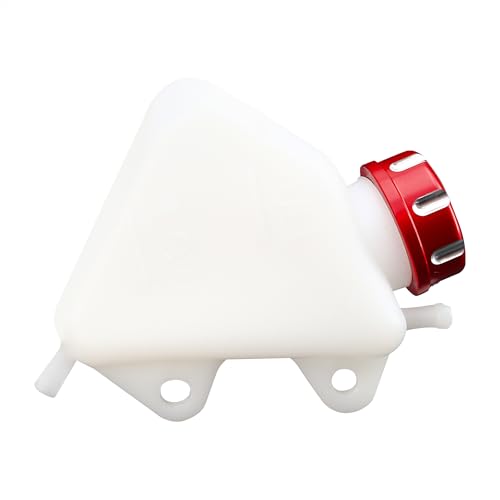
The KLX250-specific coolant bottle reservoir from BuleVina is a practical overflow tank designed to fit Kawasaki KLX250 and similar models (1994-2007). The ABS plastic construction keeps weight down while resisting wear from off-road use. This tank helps regulate coolant levels and prevent overheating by providing a reliable space for coolant expansion and recovery during hard riding and cool-down periods. Always verify compatibility with your exact model before purchase.
Dirt Bike Radiator Water Coolant Reservoir For DRZ 400

The DRZ 400-specific reservoir from JFG RACING is designed to store extra coolant, balancing the cooling system and improving reliability during long or high-demand rides. The PP plastic construction keeps the tank lightweight yet sturdy, and the design emphasizes clear capacity visibility. This is a straightforward add-on for riders who want extra coolant storage to support aggressive riding styles or frequent heat buildup on rugged courses.
Buying Guide: Key Considerations For Dirt Bike Coolant Systems
- Engine type compatibility: Dirt bikes vary from air-cooled to liquid-cooled configurations. Choose coolant and tanks that are designed for the specific engine family and model to ensure proper fit and effective cooling.
- Coolant formulation: Propylene glycol-based coolants typically offer lower toxicity and environmental advantages, while traditional ethylene glycol formulations may deliver strong heat transfer. Consider maintenance intervals, potential corrosion protection, and compatibility with seals and hoses.
- Temperature range and performance: Look for products with broad operating temperature ranges and corrosion inhibitors that protect radiators, water pumps, and hoses under off-road conditions, heat, and vibration.
- Overflow management: Overflow tanks and radiator caps with gauges help monitor coolant levels and pressure. Real-time monitoring can prevent overheating and simplify maintenance checks during long excursions.
- Fit and installation: Verify tank and cap dimensions, mounting points, and OEM compatibility. Off-road bikes often use compact reservoirs and caps designed to replace stock components with minimal modification.
- Durability and materials: ABS plastic reservoirs and robust metal caps should withstand dust, mud, and temperature fluctuations common in dirt riding. Ensure components resist cracking and maintain a tight seal.
- Maintenance and longevity: Consider products advertised for extended service life, easy top-offs, and reduced maintenance frequency, especially for riders who log long miles on challenging terrain.
- Environmental and safety considerations: Biodegradable or low-toxicity formulations can offer safer handling and reduced environmental impact, an important factor for riders who frequently ride in natural areas.
- Warranty and compatibility notes: Review any manufacturer notes on compatibility with specific model years and recommended mixing ratios to avoid engine damage or warranty issues.
- Cost vs. value: Compare price per ounce or per reservoir and weigh against the potential benefits of extended cooling life, easier maintenance, and reduced risk of overheating during intense sessions.