Converting a regular bicycle into an electric bike can expand your commuting options, reduce effort on hills, and extend fun rides. This guide highlights five popular conversion products and essential purchase considerations. Each section explains how the kit or adapter works, what you gain, and who it’s best for. The goal is to help you choose a safe, reliable upgrade that fits your bike and riding needs.
| Product | Brand | Type | Notes |
|---|---|---|---|
| Electric Bike Conversion Kit, 48V 1000W Hub | Mahugde | Rear hub motor kit | High torque and 53 km/h capable |
| 72V 2000W Rear Wheel Conversion Kit | Deroanke | Rear hub motor kit with LCD | All-in-one kit with 9-speed control |
| Funhang 1000W Peak Ebike | Funhang | Complete 1000W ebike (not a kit) | Shows performance benchmarks for comparison |
| DDYOOK 48V 1000W Front Wheel Kit | DDYOOK | Front wheel hub motor kit | LCD display, 5-speed adjustment |
| Xioysnil Brass Presta Valve Adapters | Xioysnil | Valve adapters and caps | Essential for tire inflation compatibility |
The following five products are selected for their relevance to converting a bicycle to an electric setup, including hub motor kits and practical valve accessories that support maintenance and usability.
Mahugde 48V 1000W Hub Motor Kit

The Mahugde kit uses a 48V 1000W rear hub motor with a throttle and pedal assist sensor. Key performance figures include a motor speed of 440 rpm, torque around 45 N·m, and a top speed approaching 53 km/h. Thickened spokes are used to enhance wind resistance, which helps maintain stability on higher-speed rides. The kit includes a robust controller designed to cooperate with other bicycle components and a power-off brake handle for safety during emergency stops. This setup is intended for riders who want strong acceleration and hill-climbing capability while keeping a direct drive experience familiar to standard bikes.
Deroanke 72V 2000W Rear Wheel Kit With LCD

This all-in-one conversion solution packs a 2000W brushless motor and 60 N·m of torque, delivering strong performance on climbs and flat routes alike. The kit emphasizes a complete installation with parts for 9-speed transmission, an LCD display, and a pedal-assist sensor to automatically adjust power. Its aluminum construction aims for durability during frequent rides. The included throttle and safety features support confident riding, and the kit is designed to justify DIY upgrades by offering detailed assembly instructions. Batteries are not included, so buyers need to source a compatible pack.
DDYOOK Front Wheel Conversion Kit

The DDYOOK kit provides a front-wheel hub motor with a built-in controller and an LCD display, enabling 5-speed adjustment and real-time data readouts. A 1000W motor can reach up to 45-55 km/h under certain conditions, with a cruise function to ease long rides. The kit emphasizes a user-friendly display for speed, distance, battery level, and pedal assist, helping riders monitor performance during daily commutes or weekend adventures. As with other hub kits, installation requires attention to frame compatibility and brake compatibility (disc or rim) to maintain reliable braking performance and safety.
Xioysnil Brass Presta Valve Adapters (4-Pack)
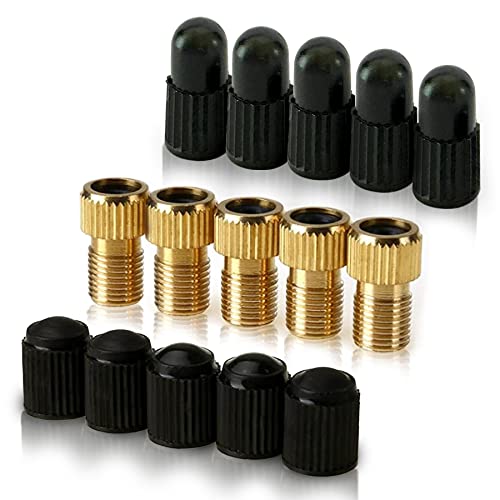
Valve adapters are essential when upgrading with a conversion kit, especially if your bike uses Presta valves and you plan to use common Schrader pumps or air compressors. This 4-pack includes 4 adapters and 4 valve caps, all made from brass for durability and corrosion resistance. A tight O-ring seal helps prevent air leaks during inflation. While not a motor kit, adapters like these simplify maintenance and reduce the risk of flat tires during and after installation, making future tire checks easier for new e-bike riders.
Funhang 1000W Peak Ebike (For Reference)

Funhang’s 1000W peak ebike offers a benchmark for performance and design when comparing conversion options. It features a 48V removable battery and a 21.7 mph top speed with a 62 N·m torque rating. While it is a complete ebike rather than a conversion kit, understanding its capabilities helps riders assess how a DIY conversion might compare in terms of range, acceleration, and overall ride quality. It also demonstrates considerations for weight, frame compatibility, and battery maintenance that apply to DIY setups.
Buying Guide: Key Purchase Considerations And Comparisons
Motor Type And Power
Hub motors (front or rear) provide a clean installation and straightforward integration with existing gearing. Higher wattage generally offers stronger acceleration and better hill-climbing ability, but it also increases load on the frame and battery. Assess your typical terrain, desired top speed (within legal limits in your area), and battery capacity to determine an appropriate motor class.
Battery Capacity And Range
Battery size directly affects range. If you regularly ride long distances, choose a kit with a larger battery or plan to install a battery pack that matches your frame’s specifications. Removable packs are convenient for charging flexibility but add weight and potentially affect frame balance. IP ratings and BMS features influence performance in varied weather conditions.
Controller And User Interface
A capable controller ensures smooth power delivery, system protection, and compatibility with pedal-assist sensors. LCD displays help you monitor speed, distance, and remaining range. Consider whether you want cruise control, multiple PAS levels, or throttle-only operation for easier starts on hills.
Installation And Compatibility
Not all kits fit every bicycle. Check wheel size (26″, 28″, etc.), frame spacing, brake type (disc or rim), dropout width, and whether you’ll need a new chain, derailleur, or gear adjustments. Some kits come with comprehensive instructions and all-in-one solutions; others require more mechanical know-how or professional installation to ensure reliability.
Safety, Legality, And Compliance
Different regions regulate motor-assisted bicycles by power and speed thresholds. Ensure your chosen kit complies with local laws to avoid penalties or insurance issues. Safety features like cut-off brakes, reliable disc brakes, and secure wiring routing reduce the risk of electrical faults or accidents during rides.
Maintenance And Spare Parts
Consider the availability of replacement parts, general repairability, and warranty terms. Components such as throttles, PAS sensors, and controllers may require replacements over time. Adapters and valves also require periodic inspection for leaks and proper seating in valves to prevent flats or tire failures.