Upgrading to clip-on aero bars can help road cyclists improve aerodynamics and ride comfort without a full cockpit overhaul. This guide highlights five credible options from trusted brands, focusing on quick-release capabilities, adjustability, and comfort features. Each entry includes a concise product snapshot and practical considerations to help you choose the right extension for your road bike setup.
| Product | Brand | Key Features |
|---|---|---|
| Profile Design Century Aero Bar (Black) | Profile Design | Lightweight, simple integration; origin Taiwan; compact packaging |
| REDSHIFT Quick-Release Clip-On Aero Bars (L-Bend) | REDSHIFT | Quick-release, road-to-aero switchable, tool-free installation |
| REDSHIFT Quick-Release Clip-On Aero Bars (S-Bend) | REDSHIFT | Quick-release, road-to-aero switchable, easy removal |
| BBB Cycling Aero Bars Aluminium Two-Piece (BHB-60) | BBB | Two-piece design, long J-bend, foam padding for comfort |
| Origin8 Mini Clip-On Tri Bars | Origin8 | 6061-T6 aluminum, adjustable independent arms, laser graphics |
Profile Design Century Aero Bar Overview

The Profile Design Century Aero Bar is a lightweight clip-on solution designed for quick aerobar integration on road bikes. While compact in size, reviewers note its straightforward installation and Taiwan-origin manufacturing. Its primary appeal lies in a clean, aerodynamic profile suitable for riders seeking an uncomplicated upgrade without extensive cockpit redesigns.
REDSHIFT Quick-Release Clip-On Aero Bars (L-Bend)
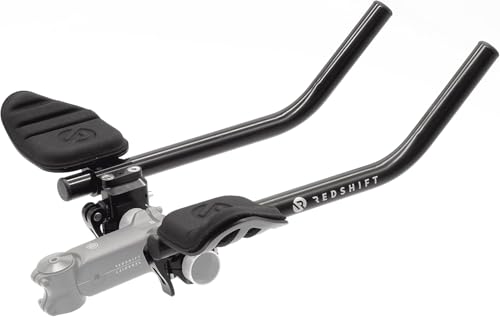
REDSHIFT’s L-Bend aero bars feature a patented quick-release mechanism that allows riders to switch between road and aero positions on the fly. They emphasize tool-free attachment and fast removal, making them ideal for triathletes or riders who frequently adjust their position during mixed rides.
REDSHIFT Quick-Release Clip-On Aero Bars (S-Bend)

This S-Bend variant mirrors the L-Bend with a slightly different bend shape to optimize arm placement and handling in aero configurations. Quick-release capability and easy, tool-free switching between positions are highlighted by reviewers as key benefits for riders seeking versatility during diverse road segments.
BBB Cycling Aero Bars Aluminium Two-Piece (BHB-60)

The BBB AeroMax two-piece aluminum aero bars emphasize maximum aerodynamics through adjustable arm pads and extended J-bend bars (350 mm). Foam padding enhances comfort, making them a practical option for riders seeking a longer reach with cushioned support during extended rides.
RXL SL Carbon TT Bar Extension

RXL SL’s carbon fiber TT bar extensions are lightweight and designed for 31.8 mm clamps, with a TT rest length around 340 mm. They include sponge padding and a recommended torque of 4 Nm for secure installation. The carbon construction reduces weight while preserving stiffness for sprint-ready aero positions.
Funien Bike Rest Handlebar

Funien offers a rest-style aero bar with high-strength aluminum construction and thick sponge padding. It’s designed for relaxed arm support and is compatible with handlebars sized from 0.9 to 1.3 inches in diameter, making it a flexible option for varied road bike setups.
Origin8 Mini Clip-On Tri Bars

Origin8 Mini Clip-On Tri Bars provide a compact, lightweight clip-on option with 6061-T6 aluminum construction and independent arm rest and bar adjustment. The laser-etched graphics offer a visually appealing finish while maintaining practical adjustability for road and triathlon setups.
Buying Guide
- Compatibility and clamp size: Most aero bars fit 31.8 mm handlebar clamps; verify your bike’s clamp diameter and available space near the handlebars to avoid interference with shifters or brakes.
- Quick-release vs. fixed: Quick-release systems enable rapid position changes and tool-free removal, ideal for cyclists who alternate between road and aero positions or transport their bike frequently.
- Bar length and curvature: TT-specific bars (longer lengths and distinct bends) offer more aero gains for time trials, while L-Bend or S-Bend styles provide varied arm support for endurance riding.
- Padding and comfort: Sponge or foam padding reduces pressure on the arms during long rides. Some models include removable padding for easier cleaning.
- Weight and material: Carbon fiber bars tend to be lighter and stiffer, improving performance but at a higher cost. Aluminum options balance weight, durability, and price.
- Installation torque: For carbon bars, adhere to manufacturer torque specs (often around 4 Nm) to minimize the risk of slipping or damage.
- Durability and weather resistance: Consider corrosion resistance and padding materials that withstand road grime and sweat, especially for training in varied conditions.
- Rider position and fit: Align aero bars with your natural racing stance to avoid neck, shoulder, or wrist strain. A professional bike fit can optimize stack, reach, and elbow rest.