The following selection highlights five Amazon options that align with the idea of high-performance frames, including some from Chinese manufacturers and related components. This guide compares design, material trends, and compatibility to help frame buyers evaluate choices for value, weight, and performance. Each entry references the product’s listed features to provide a practical overview for interested shoppers.
| Product | Brand | Key Relevance |
|---|---|---|
| BELLA BUSTA Biking Themed Picture Frame-Adventures | BELLA BUSTA | Contextual frame accessory; not a bike frame, but included for image-related projects |
| CDHPOWER Bicycle Gas Frame 3.4L | CDHPOWER | Engineered gas frame option for motorized bicycles; relevant to frame fabrication discussions |
| ZiZZO Via 20” Folding Bike | ZiZZO | Folding aluminum frame with compact design; useful contrast to titanium frames |
| Tommaso Monza Aluminum Road Bike | Tommaso | Aluminum frame alternative; discusses materials and performance benchmarks |
Bella Busta Biking Picture Frame

The BELLA BUSTA product showcases a high-quality MDF finish with a glossy white surface and clear glass cover. Though not a bike frame, it illustrates how finish quality and hardware contribute to a polished presentation for biking memories. Features highlight versatile mounting options with a black beveled edge and included easel and glass. Material choice emphasizes a clean, classic aesthetic suitable for showcasing biking milestones or frame-related memorabilia.
For frame enthusiasts, noting the emphasis on finish quality and packaging can influence decisions about precision in tubing and joint aesthetics in actual titanium frames. While this item is a photo frame, it provides context for how premium presentation and durable display accessories align with high-end cycling gear ecosystems.
CDHPOWER Gas Frame 3.4L

CDHPOWER’s gas frame option is designed for motorized bicycles and includes a 3.4L gas frame with a built-in tank. The listing specifies precise compatibility requirements, including rear width, headset size, bottom bracket dimensions, and seatpost diameter. This frame class highlights how frames must integrate mechanical and fuel-system considerations, a useful point of comparison when evaluating titanium frames for strength-to-weight ratios, stiffness, and specialized mounting needs.
In discussions about Chinese frame production, it’s notable how customization and specification granularity affect performance outcomes. Buyers should assess how such frames balance weight, durability, and serviceability, especially when used in combined powertrain configurations or converted builds.
ZiZZO Via 20” Folding Bike

The ZiZZO Via folding bike uses a lightweight aluminum frame with a 20-inch wheel and a folding mechanism. While not titanium, it provides a baseline for folding-frame design and compact portability. Features include genuine Shimano components with seven speeds and an easy-folding stem. For titanium-frame buyers, this comparison can clarify trade-offs among weight, stiffness, and maintenance accessibility in portable bike platforms.
As an example of a non-titanium benchmark, folding aluminum frames show how frame geometry and linkage systems influence ride quality and structural integrity. Prospective titanium frame buyers can use such contrasts to understand how ti-based frames manage flex, fatigue, and long-term steadiness under varied riding conditions.
Tommaso Monza Aluminum Road Bike
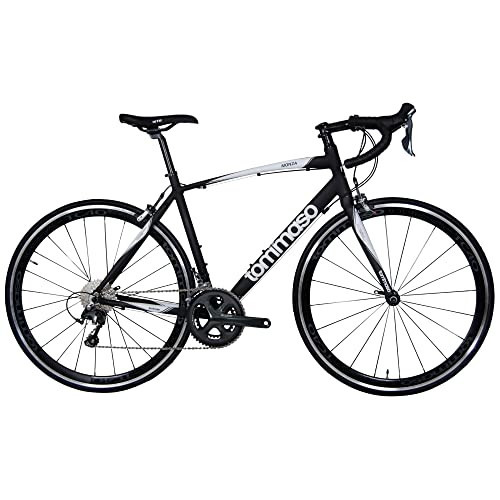
Tommaso’s Monza is an aluminum road bike that emphasizes performance through a high-quality build and a reputation for long-standing customer support. It features a Tiagra-level component set and a strong warranty framework intended to boost rider confidence. The description emphasizes ergonomic fit, speed, and durability, with a focus on professional-level gearing and reliability. While not a titanium frame, the Monza provides a useful reference point for expectations around frame stiffness, weight, and ride quality in competition-oriented builds.
For titanium frame buyers, comparing aluminum frame benchmarks helps in evaluating stiffness-to-weight ratios, vibration dampening, and lifecycle durability. It is also relevant for understanding integration with high-end groupsets and the maintenance ecosystem that supports advanced frames in the field.
Buying Guide
- Material performance: Titanium frames are prized for their strength-to-weight ratio and corrosion resistance. Compare frame weight, wall thickness, and tubing finesse to assess long-term durability and ride feel.
- Geometry and fit: Frame geometry influences ride characteristics such as stability, handling, and aero efficiency. Confirm reach, stack, and seat-tube angles align with your riding style and body measurements.
- Compatibility: Check headset, bottom bracket, and derailleur hanger standards. Ensure component compatibility with existing or planned groupsets and wheels, especially when integrating with titanium frames.
- Joinery and finish: Titanium frames may use welds or advanced bonding methods. Inspect weld quality, surface finish, and protective coatings to minimize corrosion risks and maintenance needs.
- Maintenance and serviceability: Consider the availability of replacement parts, frameset warranties, and local service options. Titanium frames may require specialized knowledge for repairs or re-tapping threaded joints.
- Brand and support: Look for manufacturers with clear customer support, documented build specs, and a robust warranty. A good support network can significantly affect the ownership experience.
- Price-to-performance balance: Titanium frames typically command premium pricing. Weigh the incremental benefits against your budget and intended use, whether endurance, climbing, or racing.
- Use-case focus: For motorized or hybrid builds, assess how frame design integrates with additional powertrains, mountings, and fuel or battery systems, ensuring structural integrity under combined loads.
In summary, buyers evaluating Chinese titanium frames should consider weight, stiffness, corrosion resistance, and compatibility with components. While the included products range from frames for specialized uses to aluminum and folding designs for baseline comparisons, the buying logic remains consistent: assess materials, geometry, and support networks to select a frame that matches intended riding goals and maintenance capabilities.