Finding the right bike seat for a 6-year-old involves balancing safety, comfort, and compatibility with an adult bike. The following selections cover rear-mount and front-mount designs, offering solid harnesses, padded seating, and sturdy construction for longer rides. Each option supports most kids around age 6, with weight considerations noted in the product features. Use this guide to compare key attributes and choose the seat that best fits your bike and riding style.
| Product | Brand | Typical Age / Weight Range | Seat Type |
|---|---|---|---|
| WORAMUK Rear Kid’s Bike Seat | WORAMUK | Ages 2–8; Up to 110 lb | Rear Mount |
| Schwinn Deluxe Child Bike Carrier | Schwinn | Ages 1+ | Rear Mount |
| Auwey Kids Bike Seat | Auwey | 2–5 years; Up to 48 lb | Front Mount |
| Bwcece Upgraded Rear Child Bike Seat | Bwcece | Ages 18 months–8 years | Rear Mount |
| UrRider Child Bike Seat | UrRider | 2–6 years; Up to 60 lb | Front Mount |
WORAMUK Rear Kid’s Bike Seat Review
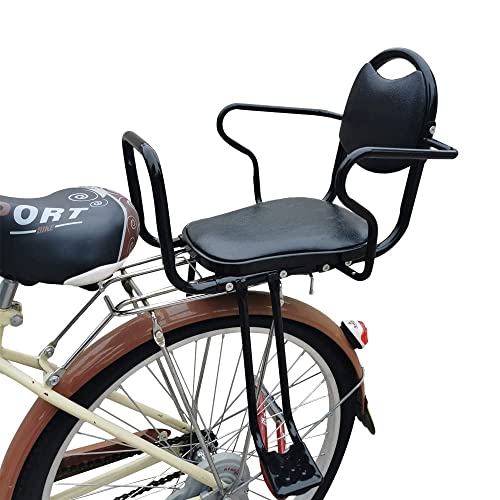
The WORAMUK model is built from sturdy steel, weighing about 2.5 kg, designed for long-term use. It features an armrest, footrest, and a safety belt to secure the child while riding. The rear-mount design aims to keep the child behind the rider, which some families prefer for balance and stability. A soft cushion enhances comfort on longer rides, and the surface finish reportedly has no off-putting odor. The seat is suitable for children within the stated weight and age range, making it a practical option for a growing rider.
Schwinn Deluxe Child Bike Carrier

The Schwinn Deluxe seat is designed for safety and comfort with a 3-point harness and leg restraints to keep a child securely fastened. It includes custom padding to support the back and cushioned seat pads for comfort during rides. Adjustable footwells and a removable headrest offer additional positioning options as a child grows. This rear-mounted option is a common choice for families who want a proven, padded seating solution for younger passengers on family outings and weekend adventures.
Auwey Kids Bike Seat Front Mount

The Auwey front-mount seat is designed for children aged 2–5, supporting up to 48 lb and featuring a front-mounted layout that enables interaction between rider and child. It emphasizes safety with a harness and a protective inner surface that reduces chafing on the bicycle and the child. The design is compatible with most mountain bikes and can be adjusted to fit flat or sloping top tubes, making it a flexible option for families who want their child to participate in front-seat rides during shorter trips or daily commutes.
Bwcece Upgraded Rear Child Bike Seat

The Bwcece seat emphasizes safety with an upgraded belt that helps prevent sliding and a rear handrail with round holes to reduce finger pinch risk. The construction uses thickened and hardened steel for durability, and the seat includes a soft cushion for comfort. Quick and straightforward installation is highlighted, with the ability to mount on most adult bikes using standard hardware. The three-step assembly makes it accessible for parents seeking a reliable rear-facing ride for a young rider.
UrRider Front Mount Kids Bike Seat

The UrRider seat is a front-mounted option designed for quick installation and removal, with tool-free setup and a lightweight frame. It meets safety standards, providing a cushioned saddle, adjustable handrail, and a fork arm for stability. The front-facing design allows parents to interact with the child during rides and is suitable for many mountain and hybrid bikes, though compatibility should be verified against top-tube configurations on specific models.
Buying Guide: Key Considerations For 6-Year-Old Riders
Choosing between front and rear seats involves several practical considerations. Safety harnesses, foot protection, and the ability to keep the child securely within the seat are paramount. Front-mounted seats offer interactive riding experiences and easier supervision, but require careful attention to wheel clearance and steering dynamics. Rear-mounted seats can feel more stable to some riders and often accommodate larger children, though they reduce direct interaction during the ride.
- Weight and size limits: Ensure the seat supports the child’s current weight and allows room for growth. Consider the rider’s bike capacity as well, since heavier seats can affect handling.
- Installation compatibility: Check fork designs, top-tube shapes, and seat post compatibility. Some seats are limited to certain bike types (e.g., MTBs vs. road bikes).
- Safety features: Look for adjustable 3-point or multi-point harnesses, padded seating, footrests, and protective barriers to prevent feet from getting caught.
- Comfort and fit: A well-cushioned seat and breathable materials improve ride experience. Check whether the seat folds back or has a headrest option for longer trips.
- Learning curve and maintenance: Front seats often require quick adjustments for new riders, while rear seats may offer easier maintenance and compatibility with a wider range of bikes.
- Riding style and routes: For city commutes, a front mount can engage a child and encourage calm riding. For longer family rides on varied terrain, a rear mount with ample padding can provide a steadier experience.
Comparative Quick Take
- Front-mount seats tend to encourage interaction and are great for shorter rides on bikes with compatible top tubes, but ensure visibility and steering aren’t compromised.
- Rear-mount seats usually support higher weight ranges and longer trips, with more traditional mounting styles and broader bike compatibility.
- Durability and safety features vary; prioritize reinforced harnesses, cushioned seating, and robust frame materials for active kids.
- Ease of installation matters: some models boast tool-free or three-step assembly, which saves time for frequent riders.
- Age and weight guidance should align with your child’s current size and riding goals, not just age alone.
Overall, these five options cover a spectrum of needs for a 6-year-old rider, from front-mounted interaction to rear-mounted stability. Evaluate your bike’s design, your typical riding routes, and how much supervision you want during rides. The right seat should blend safety, comfort, and ease of use to support enjoyable and confident family cycling experiences.