Discover affordable GPS bike computers that deliver essential riding data without breaking the bank. This guide highlights reliable models that balance accurate GPS tracking, durable design, and readable displays. Whether you’re tracking distance, speed, or elevation, these compact devices offer solid value for everyday cyclists and weekend warriors alike.
| Product | Brand | Key Strength |
|---|---|---|
| GPS Bike Computer, BPOMTF | BPOMTF | Accurate positioning & large display |
| Bikevee GPS Speedometer & Odometer | Bikevee | Long battery life, clear LCD |
| OFFBONDAGE Bike Computer GPS | OFFBONDAGE | Five-satellite accuracy & clean setup |
| CYCPLUS GPS Bike Computer | CYCPLUS | High sensitivity GPS & bright display |
| COOSPO Bike Computer Wireless GPS | CooSpo | Cost-effective, compact performance |
BPOMTF GPS Bike Computer

The BPOMTF model uses a high-sensitivity GPS chip supporting Beidou and GPS systems to improve positioning speed and data accuracy. It features a large 3.26-inch backlit display, designed for clear reading in bright sun or night conditions. Riding data includes common metrics such as riding time, distance, current speed, average speed, maximum speed, current time, altitude, ODO, total riding time, and total mileage. This combination makes it a practical choice for riders who want a straightforward, reliable data view without extra complexity.
Bikevee GPS Speedometer & Odometer

The Bikevee device emphasizes long battery life with a 650 mAh battery, delivering up to 28 hours of use. It tracks essential data such as speed (MPH/KM/H), trip time, trip distance, total distance, average speed, and max speed, with a 2.4-inch LCD screen for easy reading. Its IPX7 waterproof rating helps riders stay on course in changing weather, making it a dependable option for daily commuting or longer weekend rides.
OFFBONDAGE Bike Computer GPS

The OFFBONDAGE unit offers a five-satellite positioning system (Beidou, GPS, GLONASS, GALILEO, QZSS) for faster and more accurate tracking. It emphasizes a cable-free setup for a clean handlebar and broad compatibility with most bikes. The 2.4-inch adaptive LCD screen automatically adjusts brightness for daytime and nighttime visibility, and the tempered glass increases durability against scratches, making it a robust choice for varied riding conditions.
CYCPLUS GPS Bike Computer

The CYCPLUS model highlights dynamic GPS positioning with higher sensitivity for faster track acquisition. It presents ride time, distance, total riding time, total mileage, and current altitude. The 2.4-inch FSTN display uses a glare-free backlight for readability in all lighting. A 1200 mAh battery supports extended riding sessions, and the device is designed for straightforward installation with a wireless, waterproof setup.
COOSPO Bike Computer Wireless GPS
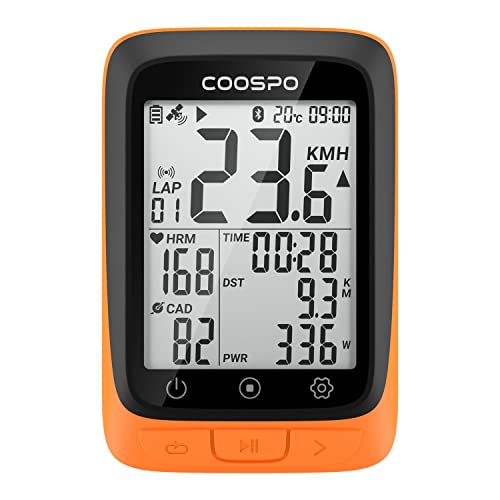
COOSPO focuses on affordable performance with the BC107 GPS chipset, delivering a compact 2.4-inch display. The device emphasizes peak value by combining essential cycling metrics in a lightweight, cost-efficient package. It is designed for straightforward operation, offering reliable data without adding unnecessary features, which can appeal to riders who want a simple, budget-friendly GPS bike computer.
Buying Guide: Key Purchase Considerations
When shopping for a cheap GPS bike computer, consider several dimensions to ensure you get a device that fits your riding style and expectations. First, GPS accuracy and satellite support matter. Look for models that combine GPS with Beidou, GLONASS, or Galileo to improve lock times and reliability in varied environments, from urban canyons to wooded trails.
Display readability is crucial for on-the-road visibility. A large, backlit screen with glare resistance helps you monitor speed, distance, and time without fumbling. Water resistance is another important factor; IP ratings like IPX6 or IPX7 indicate protection against rain and splashes, which matters for riders who train in all weather.
Battery life determines whether a device will survive long rides or multi-day tours. Batteries ranging from 20 to 28 hours or more are common in budget models and suit long weekend trips. Consider whether the unit uses replaceable or rechargeable batteries and how easy it is to charge.
Data metrics should align with your goals. Some riders want basic pace and distance, while others track altitude, ascent, total mileage, and ride time. Ensure the device presents the metrics you care about, and that the user interface is straightforward to navigate while riding.
Compatibility and installation are practical concerns. Cable-free setups reduce clutter, but ensure the device fits your handlebars and frame. Verify that the unit works with your bike’s frame type (road, MTB, hybrid) and that any required sensors or mounts are readily available or included.
Value considerations also matter. In the budget segment, assess whether a model’s durability, warranty coverage, and software updates justify the price relative to more premium options. Some brands emphasize long battery life or exceptionally bright displays as differentiators, which can justify choosing one model over another.
Finally, consider ecosystem and data management. Some GPS bikes computers sync with smartphone apps or online dashboards, allowing you to review trips, export routes, or share achievements. If you use a bike computer for training, look for features like auto start/stop, auto backlight, and compatibility with ANT+ or Bluetooth sensors.