Choosing the right carbon mountain bike handlebars can dramatically improve comfort, control, and ride quality. This guide highlights five top carbon options and compares their construction, rise, width, and ergonomics to help riders select a model that matches terrain and riding style. Each product emphasizes lightweight performance, vibration dampening, and an upright riding position that reduces strain on the back and neck.
Summary of selected products:
| Product | Brand | Key Features | Diameter / Rise |
|---|---|---|---|
| MTB Handlebars, Carbon Flat Bar, 760mm | RXL SL | Lightweight carbon fiber, flat bars, upright comfort, non-slip grip | 31.8mm / 18mm rise |
| OneUp Components Carbon Handlebar | OneUp Components | 800mm width, 35mm diameter, multiple decals, strong clamp specs | 35mm / 20mm or 0-20mm options |
| PNW Loam Carbon Handlebar | PNW Components | Premium UD carbon, layup for strength, e-bike and DH ready | 31.8mm / 25mm rise |
| Yccyctrek Downhill Carbon Handlebar | Yccyctrek | Riser carbon bar, multiple width options, vibration absorption | 31.8mm / up to 18mm rise |
| No Logo Carbon Mountain Bike Handlebar | RXL SL | 3K matte finish, 31.8mm, ergonomic rise, anti-shock | 31.8mm / 18mm rise |
MTB Handlebars From RXL SL
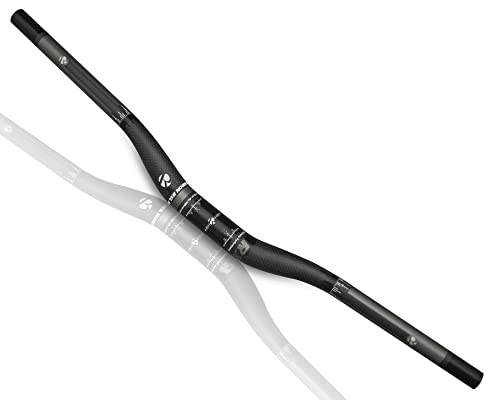
The carbon flat handlebars by RXL SL are crafted from high-strength carbon fiber with an anodized finish. They are lightweight yet stiff, offering non-slip grip and strong shock absorption to protect the rider. The design promotes a more upright riding posture, reducing stress on the back, arms, and neck, and supports ergonomic grips for natural hand positioning. The flat profile also simplifies brake cable and gear management for riders new to carbon bars.
OneUp Components Carbon Handlebar

OneUp Components offers a carbon handlebar with an 800mm width and 35mm diameter. The bar ships with multiple lift options and decals in several colors, enabling rider customization. Its weight is light, and the clamping area is designed for secure stem mounting. The geometry features an 8° back sweep and 5° up sweep, balancing control with comfort. It is compatible with a wide range of stems and wheels, making it suitable for aggressive terrain and trail riding.
PNW Loam Carbon Handlebar
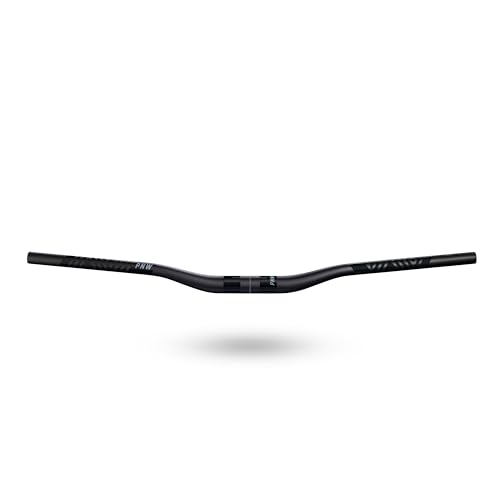
The Loam carbon handlebar from PNW Components uses premium pre-preg UD carbon with a patent-pending CBD layup, delivering a robust, lightweight option suitable for e-bikes and downhill riding. The bar emphasizes stiffness-to-weight efficiency, vibration damping, and a modern geometry that suits aggressive trails while maintaining rider comfort over long descents. Its 31.8mm clamp diameter provides a secure fit with compatible stems on most mountain bikes.
Yccyctrek Downhill Carbon Handlebar

Yccyctrek carbon riser handlebars are designed for downhill and trail riding, offering a rounded 31.8mm diameter with several width options and a rise up to 18mm. The bar emphasizes vibration absorption and lightness relative to aluminum, improving comfort on rough sections. Installation guidance recommends torque control to avoid over-tightening and potential damage, ensuring a secure mount for demanding terrain.
RXL SL Carbon Mountain Bike Handlebars (Flat, 31.8)

This RXL SL carbon bar features a 31.8mm clamp with a 18mm rise and a 3K matte finish. It promotes an upright riding position to ease stress on the back and neck and provides a comfortable grip profile. The bar’s carbon construction yields lightweight performance while maintaining stiffness and resistance to shock, making it suitable for mixed terrain and daily riding.
GEWAGE 31.8 Aluminum Lite Mountain Bar

Although aluminum, GEWAGE’s modern mountain bar offers a 31.8mm clamp with wide sizing options including 25mm to 90mm rises. It combines a modern geometry with chatter-absorbing characteristics reminiscent of carbon, helping to reduce fatigue. Ergonomic design and wide hand support create comfort on long rides, while compatibility with most mountain bikes ensures broad applicability.
PNW Gen 4 Range Mountain Bike Handlebar

The Gen 4 Range from PNW Components uses 2014 aluminum alloy with a proscribed curb appeal that resembles carbon’s chatter-absorbing properties in a durable package. It features a 70mm stem clamp width and an ergonomic 10-degree backsweep with 5-degree upsweep to place wrists in a natural position, aiding comfort during climbs and descents on varied terrain.
Buying Guide: Key Purchase Considerations
- Riser vs. Flat: Riser handlebars offer more control on rough trails and uphills, while flat bars deliver a more upright posture. Consider your riding style and preferred stance.
- Width and Height: Wider bars (around 760–800mm) improve stability on descents but require more steering input in tight areas. Rise (e.g., 18–25mm) affects riding posture and shoulder comfort.
- Material and Build: Carbon bars provide weight savings and vibration damping but can be more expensive. Aluminum bars can be more affordable with adequate performance for many riders.
- Clamp Diameter: Most MTB handlebars use 31.8mm clamping. Ensure compatibility with your stem and seat post if any adapters are required.
- Cable Routing and Compatibility: Some carbon bars offer clean routing options and easier setup. Verify compatibility with your braking and gear systems.
- Installation Torque: Follow manufacturer torque specs to prevent damage. Use a torque wrench for consistent clamping force.
- Intended Terrain: DH, enduro, or trail riding each benefit from different stiffness, weight, and sweep profiles. Match the bar’s geometry to terrain.
All listed products emphasize high-strength carbon fiber or carbon-like construction, ergonomic shaping for comfort, and designs that support an upright posture to reduce fatigue. When evaluating options, balance weight, stiffness, width, rise, and compatibility with existing components to optimize handling and ride quality on your typical trails.