Discover top carbon fiber handlebars designed for road bikes, offering lighter weight, improved aerodynamics, and better shock absorption. This guide highlights five standout options, with features tailored to performance riders, endurance cyclists, and aero enthusiasts. Each product section provides a quick look at specs, materials, and key benefits to help you compare at a glance.
| Product | Brand |
|---|---|
| RXL SL Gravel Handlebars, 38cm Carbon Drop Bars | RXL SL Store |
| Carbon Fiber Aero Road Bar, 400mm Drop | RXL SL Store |
| RXL SL Carbon Fiber Road Bike Bars, Integrated Stem | RXL SL Store |
| Integrated Handlebar Road Bike with Stem | RXL SL Store |
| Carbon Bike Handlebar Road Handlebars Aero Bars | RXL SL Store |
RXL SL Gravel Handlebars

RXL SL Gravel Handlebars feature a carbon drop design with a 31.8mm clamping diameter and a 380mm width, optimized for gravel-ready aerodynamics. The 38cm size and aero profile deliver improved control on mixed terrain while maintaining a lightweight structure. The carbon fiber construction reduces weight and enhances stiffness for precise steering feedback during long rides. Ideal for riders seeking a performance-oriented gravel setup with a road-bike influence.
Carbon Aero Road Bar, 400mm Drop

Material: T700 carbon fiber with 31.8mm handlebar diameter and 400/420/440mm width options. Drop is 127mm and reach is 104mm, delivering an aero-forward position. Weighing around 210g, the bar emphasizes lightness while providing a glossy 3K finish. It compares favorably to aluminum by offering reduced weight, enhanced aesthetics, and better resistance to flex and fatigue during high-speed efforts.
Integrated Carbon Road Handlebars With Stem

RXL SL carbon fiber road bike bars combine an integrated stem with the handlebar, using a 1-1/8″ steerer diameter (28.6mm) and 400mm width options. Weight is around 360g for a 420×100 configuration. Features include UD matte appearance, inner routing to protect cables, and an aero design that aims to simplify installation and reduce wind resistance. Suited for riders seeking a clean, integrated cockpit with streamlined aesthetics.
Integrated Handlebar With Stem

This integrated design emphasizes a cohesive cockpit with routing for cables and hoses, contributing to a clean appearance and potentially lower drag. The bar features a carbon fiber build with a 3K matte finish and weights around 210-360g depending on the configuration. It is oriented toward competitive setups where stability, aerodynamics, and ease of installation are prioritized.
Carbon Road Handlebar With Aero Design
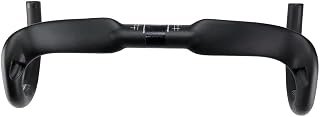
Material: T700 carbon fiber; Weight: approximately 210g per the 400mm width option. Clamping diameter is 31.8mm, with 400/420/440mm widths and a 127mm drop, 104mm reach. The UD matte finish offers a restrained aesthetic, while the carbon construction aims to deliver a lighter, stiffer ride with improved handling. This bar is suitable for riders seeking a balance of lightness and performance on paved courses.
RXL SL Road Handlebar 38cm, 31.8mm
Designed for road applications with a 38cm width and 31.8mm clamp, this carbon drop bar emphasizes aero efficiency and stiffness. It features a carbon fiber layup that supports aggressive riding positions while maintaining comfort through frame vibrations. The glossy or matte finish options provide a refined look that complements modern aero frames.
Buying Guide: Key Purchase Considerations
- Material and weight: Carbon fiber bars offer lightness and stiffness, but check the resin system and layup details to assess fatigue resistance for long rides or rough roads.
- Diameter and compatibility: Most modern road bikes use 31.8mm clamping diameters. Confirm compatibility with your stem, shifters, and internal cable routing if applicable.
- Width, drop, and reach: Wider bars (400–440mm) suit strong riders or those in higher-speed groups; smaller sizes fit compact frames or riders with a shorter reach. Drop and reach should align with your cockpit setup for comfort and aerodynamics.
- Integrated vs. non-integrated: Integrated bars with stems reduce cockpit clutter and potential wind resistance but limit upgradability and installation options. Non-integrated designs offer flexibility for stem changes and customization.
- Finish and aesthetics: UD matte vs. gloss finishes affect visibility and scratch resistance. Consider how the bar matches frame color and overall bike aesthetics.
- Internal routing: Bars with internal cable routing can protect cables from wear and reduce drag, but may require precise installation and routing tools.
- Durability and warranty: Look for brands offering warranties or documented tests for fatigue and impact resistance to ensure long-term reliability.
- Price-to-performance: Compare weight savings, stiffness, and aerodynamics against cost to determine overall value for your riding goals.
- Installation considerations: Some carbon bars require torque-limited tools and careful alignment to prevent damage. Ensure you have the correct headset, spacers, and derailleur compatibility for a clean setup.
Overall, selecting the right carbon fiber handlebars depends on your riding style, aerodynamics goals, and cockpit preferences. The options above balance weight, stiffness, and compatibility with common road setups, offering choices for gravel, endurance, or competitive road racing configurations.