The market for carbon fiber bike saddles blends ultralight weight with stiff, efficient power transfer. This guide highlights five top-performing models designed to reduce fatigue, improve aerodynamics, and support long rides across road and mountain terrains. Each entry draws on carbon fiber rails or shells, hollow or vented designs, and comfort-focused features to help cyclists choose the right balance of stiffness, support, and breathability.
Summary of selected products
| Product | Brand |
|---|---|
| ROCKBROS Bike Seat Lightweight Carbon Fiber Bike Saddle | ROCKBROS |
| Bike Saddle Bike Seat Carbon Bike Seat Super Lightweight Carbon Fiber Bicycle Seat | TANUP |
| Samassi Bike Seat, 3D Printed Bike Saddle | Samassi |
| Samassi Bike Seat, 3D Printed Bike Saddle | Samassi |
| Exceedhub Carbon Fiber Bike Seat Cushion | Exceedhub |
ROCKBROS Carbon Fiber Saddle For Road And MTB
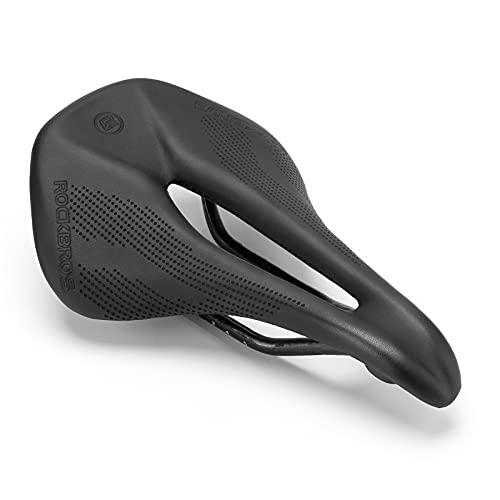
The ROCKBROS saddle combines a lightweight carbon fiber frame with comfortable microfiber leather. This setup aims to deliver strong support without adding noticeable weight, making it suitable for both road and mountain biking. Its design targets professional cyclists and enthusiasts who want efficient power transfer and a stable seat under demanding conditions.
Key features include a carbon fiber construction described as lightweight yet strong, with a breathable, cushioned surface for long rides. The padded, elastic seating area is designed to reduce pressure on the rider, potentially easing numbness during extended sessions. The suspension bow concept is noted for absorbing road shocks while preserving flexibility, and a sand-filled bow is included to boost stability during aggressive riding styles.
Pros: good balance of stiffness and dampening, breathable design to maintain comfort, and a setup that supports aggressive riding positions. Cons: some riders may prefer more contouring in the nose and sit-bone area depending on anatomy.
Bike Saddle Carbon Seat Lightweight And Easy To Install

The TANUP carbon fiber bicycle seat emphasizes an all-carbon fiber composition for weight savings and stiffness. The design highlights a 275 x 143 mm footprint, with a light weight around 120 g, making it a strong option for riders seeking minimal weight without sacrificing durability. It’s described as corrosion resistant and robust enough to endure long-term use.
Installation is straightforward, with compatibility to standard seat posts. A recommended seat clip helps ensure maximum tightness and comfort. The saddle features a nose shape and ventilation channels intended to regulate circulation and heat dissipation, offering a cooler riding experience on lengthy trips.
Considerations include ensuring compatibility with your seat post and frame tolerance, as well as whether the flatter contour aligns with your preferred riding position. Some riders may want a more pronounced sitting bone cutout depending on anatomy.
Samassi 3D Printed Carbon Fiber Saddle For All-Round Use
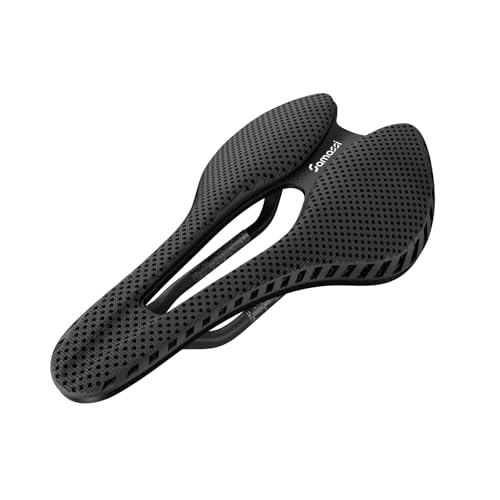
Samassi offers a 3D-printed carbon fiber bicycle seat designed for both men and women seeking a combination of light weight and bespoke comfort. The product emphasizes 3D printing to tune hardness and elasticity across different areas of the saddle, delivering targeted shock absorption and enhanced comfort over long rides. A hollow design supports breathability, with carbon fiber rails contributing to stability and strength.
Design notes highlight flow-through ventilation and a lightweight build suitable for road and mountain biking. The single drop-in design can pair with a variety of frames, but riders should confirm rail compatibility and clamp size prior to purchase. Expect a comfortable ride that reduces fatigue on multi-hour efforts.
Samassi 3D Printed Carbon Saddle With Breathable Structure
This listing mirrors the earlier Samassi entry with similar carbon fiber rails and 3D-printed structure. It emphasizes 3D printing to achieve precise hardness distribution, optimizing for shock absorption and airflow. The hollow architecture aims to keep the rider drier and cooler, particularly useful for long climbs or intervals. The product is marketed toward road and mountain bikes, matching diverse riding styles.
Performance considerations include breathability, weight, and the ability to handle aggressive pacing. Potential buyers should verify rail width and clamp compatibility to ensure secure mounting. The lightweight carbon frame supports quick accelerations and sustained speed, while the ventilation design targets comfort on extended workouts.
Exceedhub 3D Printed Carbon Fiber Saddle For Comfort And Breathability
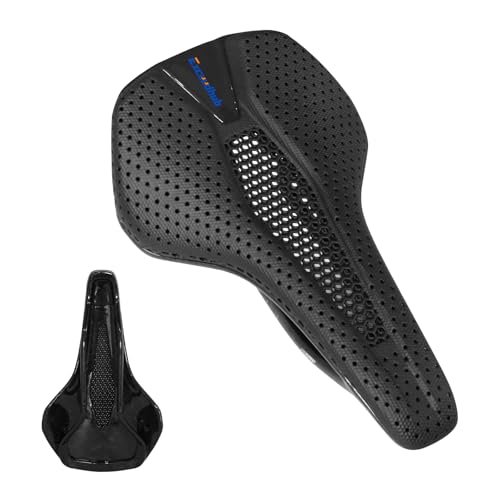
The Exceedhub saddle highlights 3D printing technology to finely tune the hardness and elasticity in different seat areas, aiming to reduce shock and improve overall comfort. With a 245×140 mm footprint and a rail size of 7×9 mm, the weight is around 168±10 g, making it a lightweight option for many bikes. The frame uses a full carbon fiber structure to minimize weight while maximizing strength and durability.
The design incorporates a hollow, breathable profile intended to keep riders dry during long efforts. As with other carbon saddles, fit is crucial: confirm clamp compatibility and the correct rail dimensions before ordering. The result is a streamlined saddle suitable for MTB, road, gravel, and city bikes where low weight and good ventilation matter.
Buying Guide: Key Purchase Considerations And Comparisons
When selecting a carbon fiber bike saddle, buyers should balance weight, stiffness, comfort, and durability. Here are essential factors to compare across models:
- Weight and stiffness: Carbon fiber constructions reduce weight, but stiffness affects power transfer and ride feel. Riders with a more aggressive position often prefer stiffer saddles, while endurance riders may favor slight flexibility.
- Contour and cutout: Nose shape, sit-bone width, and presence of relief cutouts influence comfort and pressure distribution. A well-matched contour reduces numbness and pressure points on long rides.
- Ventilation and hollow designs: Hollow or vented sections improve airflow and reduce heat in hot conditions. This is especially favorable for long climbs and hot climates.
- Rail design and compatibility: Carbon rails, rail width, and clamp compatibility determine installation. Confirm compatibility with your seat post and clamp style before purchasing.
- Durability and weather resistance: PVC or microfiber coverings on carbon frames must withstand sweat and rain. Water-resistant fabrics and reinforced edges extend saddle life.
- Intended riding style: Road, gravel, MTB, and mixed-terrain use may call for different saddle shapes and support levels. Consider your typical terrain and riding tempo.
- Fit and return policies: Carbon saddles are often a personal fit matter. Look for retailers offering generous return windows to test comfort and compatibility.
Summary of how the featured products compare:
- ROCKBROS offers a lightweight carbon frame with a breathable, cushioned surface and a suspension bow for shock absorption. Suited for riders who want a blend of stiffness and comfort on mixed terrain.
- TANUP emphasizes full carbon material with a compact footprint and ventilation-centric design. Good for riders seeking a minimal, lightweight saddle with straightforward installation.
- Samassi models highlight 3D printing for zone-specific hardness and breathable hollow structures. They aim for precise comfort tuning across long rides and various bike types.
- Exceedhub combines 3D printing with a full carbon frame to deliver a lightweight, stiff seat designed for road and MTB use, with emphasis on breathability and shock reduction.
Note on fit: Sizing, rail width, and clamp compatibility vary by model. Always measure your current saddle dimensions and compare with the product specifications. For cyclists with sensitive areas or previous numbness, prioritizing a cutout or contour that aligns with your anatomy is recommended. In addition, testing multiple saddles within a retailer’s return window can help identify the best long-term option for comfort and performance.