Choosing the right cadence sensor for a spin bike helps you quantify pedal speed, improve efficiency, and tailor workouts to specific goals. This guide highlights five top options that work with spin bikes, indoor trainers, and stationary bikes. Each product section explains key features, compatibility, and what to consider when selecting a sensor for cadence tracking.
| Product | Brand | Type | Connectivity | Notes |
|---|---|---|---|---|
| Wahoo RPM Cycling Cadence Sensor | Wahoo Fitness | Cadence Sensor | ANT+/Bluetooth | Compact, dual-band |
| Magene Cadence Sensor | Magene | Cadence Sensor | Bluetooth/ANT+ | Dual-mode, multi-device |
| MOOFIT Cadence Sensor | Moofit | Cadence Sensor | ANT+/Bluetooth | Budget-friendly, IP67 |
| iGPSPORT CAD70 Cadence Sensor | iGPSPORT | Cadence Sensor | Bluetooth/ANT+ | Long battery life |
| Garmin Cadence Sensor 2 | Garmin | Cadence Sensor | ANT+/Bluetooth | Garmin ecosystem |
Wahoo RPM Cycling Cadence Sensor
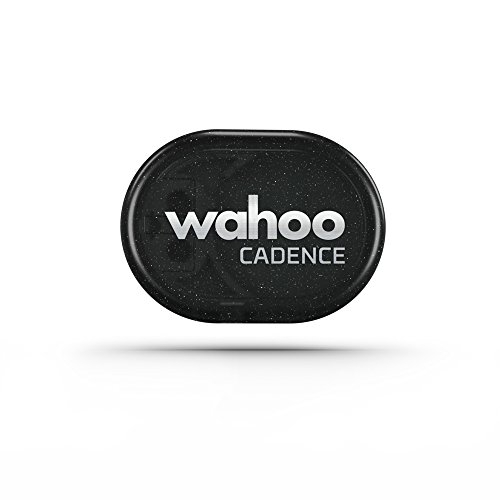
The Wahoo RPM Cycling Cadence Sensor provides real-time cadence readings compatible with popular training apps via Bluetooth. It offers dual-band technology, meaning it can pair with ANT+ devices and Bluetooth-enabled smartphones, tablets, and bike computers. This versatility lets you monitor pedal revolutions per minute during spin classes or at-home workouts while syncing data to Wahoo SYSTM, RGT, Zwift, or Peloton Digital on iOS. The compact form factor makes it easy to mount on most crank arms or hubs, and ANT+ compatibility supports long-range connections in busy training environments.
Key considerations include setup simplicity and cross-platform support. If your riding routine includes mixed devices or multiple apps, the RPM sensor’s dual-band communication reduces connection hassles. Its cadence tracking helps riders optimize cadence zones for endurance, sprinting, or hill-climbing simulations. For spin class enthusiasts who simultaneously use a smart trainer or display, this sensor provides a reliable and straightforward data stream, helping you stay within cadence targets and measure improvements over time.
In terms of performance, expect stable data transmission during moderate-to-high-intensity sessions. The Wahoo sensor emphasizes reliability and compatibility with a broad ecosystem of devices and apps, which is valuable for users who want a single sensor that travels across bikes and apps without reconfiguration. The product’s straightforward installation and compact design make it a practical choice for most spin bike setups.
Magene Cadence Sensor (Outdoor/Indoor)
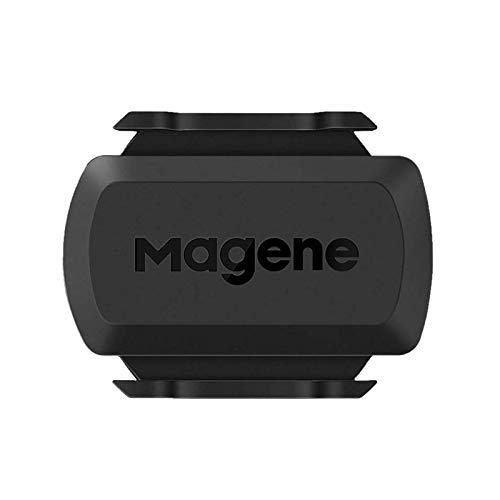
Magene’s cadence sensor works across outdoor and indoor cycling setups, pairing via Bluetooth or ANT+ with bike computers and apps. The device emphasizes flexibility in mode selection and device connections. The sensor can operate in cadence mode, and a second sensor would be required to measure speed separately—this is a common consideration for riders who want full speed and cadence data across devices. When using Bluetooth, one sensor typically connects to a single app, whereas ANT+ may support simultaneous connections to multiple devices. These traits influence how you configure training apps and displays during a spin workout.
For riders integrating with multiple platforms, Magene’s sensor can be a cost-effective option that still delivers reliable cadence data. Its compatibility with popular ecosystems like Wahoo, Zwift, and other training apps makes it suitable for users who want to compare cadence against power zones or time-trial targets. The trade-off to consider is whether you prefer a single-sensor setup for two metrics or opt for a second sensor to capture both speed and cadence concurrently across apps.
Physical design and battery considerations also matter. If you value a compact, easy-to-mount device, Magene’s unit delivers on form factor, though you’ll need to manage mode switching and sensor placement to avoid data gaps. Overall,Magene offers a versatile option for athletes who train across multiple apps and devices while keeping costs reasonable.
MOOFIT Cadence Sensor

Moofit’s cadence sensor emphasizes dual-protocol compatibility with ANT+ and Bluetooth Low Energy. This enables easy connection to bike computers, training apps, and smart devices. The second-generation design focuses on reliable cadence tracking and real-time data for riders seeking practical, real-time feedback. The device supports multiple popular apps, including Wahoo Fitness, Rouvy, and Peloton, which helps users compare cadence data across their preferred platforms during spin sessions or on compatible indoor bikes.
Installation is described as straightforward with no magnets required, which can simplify mounting on spin bikes or stationary setups. Battery life and sensor stability influence day-to-day reliability, especially during longer workouts or interval sessions. Moofit’s sensor is positioned as a budget-friendly option that still delivers robust cadence data, making it attractive for casual riders and those building a cadence-focused training routine.
Users who value cross-app compatibility will appreciate the sensor’s ability to feed cadence data into multiple systems. A potential limitation is needing an additional sensor to capture other metrics like speed if you require separate measurements in certain training environments. Overall, Moofit offers a practical cadence sensor with broad app support and a straightforward installation process.
iGPSPORT CAD70 Cadence Sensor

The iGPSPORT CAD70 cadence sensor emphasizes precise cadence measurement with independent algorithms designed to improve data accuracy for cadence and speed. It supports Bluetooth 5.0 and ANT+ transmission, enabling compatibility with a wide range of bike computers, GPS devices, and mobile apps. The battery life is designed for extended use, offering up to 300 hours of operation and a straightforward, lightweight form factor suitable for spin bikes, road bikes, and indoor training setups.
From a purchasing perspective, compatibility with major brands and devices matters. The CAD70 is positioned to appeal to riders who want a long-lasting sensor that can connect to multiple devices without frequent recharging or replacement. If your setup includes a mix of Garmin, Wahoo, and other platforms, this sensor can serve as a versatile bridge for cadence data across systems. Its long battery life and robust Bluetooth/ANT+ support help ensure ongoing cadence visibility during varied workouts.
Garmin Cadence Sensor 2

Garmin’s Cadence Sensor 2 attaches to the crank arm and measures pedal strokes per minute with self-calibration to provide accurate cadence data when used with compatible Garmin devices or Edge computers. It supports ANT+ and Bluetooth Low Energy, enabling live data transmission to training apps and displays. The hub-attached speed sensor functionality is noted for its ease of use and seamless syncing with Garmin devices, providing a cohesive data stream for cadence, speed, and distance measurements. This makes the sensor a strong fit for athletes already working within the Garmin ecosystem or who want reliable data across Garmin-connected displays and apps.
When evaluating Garmin’s cadence option, consider ecosystem benefits, especially if you already rely on Garmin wearables or bike computers. The device’s reliability and calibration features can simplify training analytics, though some users may prefer third-party apps or alternate platforms for broader compatibility. The Cadence Sensor 2 is a dependable choice for those prioritizing Garmin compatibility and a straightforward setup for spin bikes and home studios.
Moofit Cadence Sensor Bluetooth/ANT+ (MooFit App Unavailable)

This Moofit model emphasizes a waterproof design with IP67 rating and dual-protocol support via Bluetooth and ANT+. The device provides real-time cadence data to compatible training apps and bike computers, with easy installation that avoids magnets. For spin bike users, the ability to connect to multiple devices through ANT+ can be advantageous in shared gym environments or when using a mix of displays and trackers. The absence of magnets simplifies mounting on many crank arms while maintaining data integrity during intense sessions.
In practice, this sensor offers a practical option for riders who want robust data across apps while maintaining a compact, durable build. The IP67 rating supports use in varied environments, reducing concerns about sweat and moisture. As with other dual-protocol sensors, plan for app compatibility and data routing to ensure cadence information appears where you expect during workouts.
Magene Cadence Sensor (Outdoor/Indoor) – dual mode
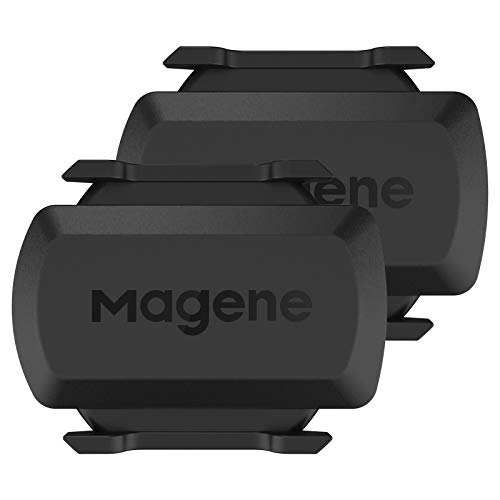
Magene’s cadence sensor is designed for both outdoor riding and indoor cycling setups, offering Bluetooth and ANT+ capabilities. A key consideration is that a single sensor may need to be set to cadence mode or speed mode, requiring another sensor to capture both metrics simultaneously in some workflows. Bluetooth connections typically limit to one app or device, while ANT+ can connect to multiple devices at once, making Magene a flexible option for users who want to route cadence data to multiple displays or training apps at the same time.
For spin bike environments, Magene’s balance between affordability and compatibility makes it a solid option. If you frequently switch between devices or classrooms with different systems, the dual-protocol approach helps maintain consistent cadence data across platforms. As with other budget-friendly options, consider whether you want a single-sensor setup that prioritizes cadence only or a two-sensor configuration for full speed and cadence coverage.
Buying Guide: Cadence Sensor Considerations For Spin Bikes
Purpose and compatibility matter. Determine whether you primarily train with a Garmin, Wahoo, iOS/Android app, or a specific indoor cycling platform. Look for ANT+ and Bluetooth compatibility to maximize device options and minimize setup hassle.
Data metrics and accuracy. Cadence readings should be precise and consistent, enabling you to define cadence zones and track progress. Some sensors emphasize advanced algorithms for cadence, while others rely on magnetic mounts. Check reviews and app support to assess data reliability in real-world spin class scenarios.
Connectivity strategy. If you use multiple displays or apps during workouts, prioritize sensors that support ANT+ multi-connection or Bluetooth with app compatibility across your devices. Consider whether you need one sensor for cadence only or a dual-sensor setup to capture both cadence and speed in tandem.
Durability and mounting. Spin bike environments involve sweat and frequent mounting/removal. IP ratings, rugged housing, and magnet-free installation can improve longevity and ease of use. If possible, choose a sensor with a straightforward replacement battery process and clear installation guidance.
Battery life and replacement. Long battery life reduces maintenance during multi-day training blocks. Review stated battery life and battery type to ensure replacements are readily available. A sensor with easy battery access is convenient for frequent spin sessions.
Price-to-performance balance. While premium models offer broader ecosystem support, budget-friendly options can deliver reliable cadence data for most riders. Decide how important cross-app compatibility is for your training plan and whether extra sensors provide enough value for your workouts.
Overall, the best cadence sensor for a spin bike depends on your device ecosystem, the number of apps you run, and how you route data during sessions. The options above cover a spectrum from simple, affordable sensors to feature-rich devices that fit into larger training setups. Use this guide to pair cadence data with training goals, whether you are aiming for cadence consistency, endurance pacing, or power-focused workouts.