Choosing the right bike for a growing child blends safety, ease of use, and fun. This guide highlights five kid-friendly bikes that support learning, balance, and confidence for boys and girls ages 3-12. Each option balances lightweight frames, accessible brakes, and thoughtful design to help kids ride comfortably. Below you’ll find quick product summaries, followed by a detailed look at features, pros and considerations to help you pick the best match for your child’s size and skill level.
| Product | Wheel Size | Age Range | Notable Feature |
|---|---|---|---|
| WEIZE Kids Bike (Two Listings) | 14″ / 16″ / 20″ | 3-12 years | Coaster brake with full protection chain guard |
| Glerc NuNu | 12″ / 14″ / 16″ | 2-8 years | Removable training wheels, enclosed chain guard |
| KEANO Huntaway | 20″ / 24″ | 7-12 years | Lightweight alloy frame, 7-speed drivetrain |
| JOYSTAR Pluto | 12″ / 14″ / 16″ / 18″ / 20″ | 3-12 years | Light up training wheels, safety chain guard |
WEIZE Kids Bike 16″ For Beginners

Designed for younger riders, this 16″ WEIZE bike emphasizes kid-friendly proportions, a lightweight frame, and smaller grips to simplify control. It’s tailored for beginners and helps children learn balance and steering with confidence. The bike includes a handbrake designed for small hands and a full-coverage chain guard to protect little fingers, legs, and clothing during pedaling. The sizing guidance recommends 16″ wheels for ages around 4-6, with careful checks of inseam height to ensure the rider can touch the ground.
WEIZE Kids Bike 16″ For Young Riders
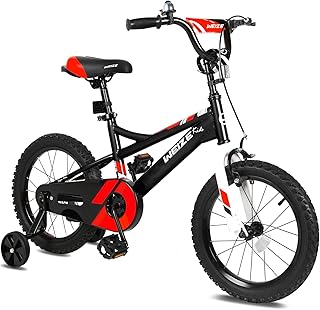
This second WEIZE listing mirrors the beginner-friendly design, combining a lightweight frame with a smaller grip radius for easy handling. It features a handbrake suitable for developing strength and a full-coverage chain guard for safety. The bike is built with consideration for kids’ proportions, aiming to provide smoother handling and more predictable braking as little riders gain confidence.
Glerc NuNu 12–16 Inch Kids Bike With Training Wheels
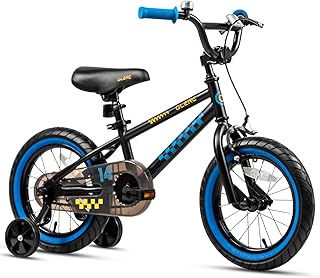
Glerc NuNu emphasizes a kid-safe learning environment with short-reach brake levers and a low stand-over height. It includes removable training wheels and an easy-adjust quick-release seat to grow with your child. Safety is reinforced by both a hand brake and a coaster brake, plus an enclosed chain guard to prevent little fingers from touching moving parts. Soft handlebar grips and reflectors improve comfort and visibility for early riders.
KEANO Huntaway 20/24 Inch Hardtail Mountain Bike

KEANO Huntaway targets active kids who want off-road capability. Its durable lightweight alloy frame supports a 7-speed drivetrain and powerful disc brakes, providing controlled stopping in varied terrain. The bike combines a sturdy build with a lighter weight to facilitate handling by smaller hands, while the gearing helps kids adapt to faster or more challenging rides as they mature and gain confidence.
JOYSTAR Pluto 12–20 Inch Kids Bike With Light Up Features
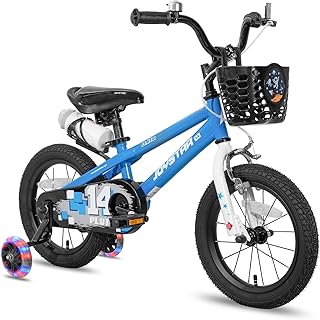
JOYSTAR Pluto blends fun and safety with light-up training wheels, a front basket, and a water bottle holder. It features quick-release seat height adjustment and a removable training wheel setup to help children transition from assisted riding to independent cycling. The bike includes both a foot brake and handbrake, offering dual stopping power, and a movable chain guard to protect riders as they gain experience and speed control. Assembly is designed to be straightforward for parents or guardians.
Buying Guide: Key Purchase Considerations for a Kids’ Bike
- Size and Fit: Choose wheel size based on the child’s height, inseam, and riding ability. A bike that’s too large or too small complicates balance and control. Look for adjustable seat height and handlebars to accommodate growth.
- Braking System: For beginners, consider bikes with hand brakes that are easy to operate, or a coaster brake option combined with a chain guard for added safety. Ensure the braking action matches the child’s strength and coordination.
- Weight and Handling: Lightweight frames reduce fatigue and improve maneuverability. Aluminum bikes are commonly lighter than steel and easier for kids to handle on inclines or rougher surfaces.
- Safety Features: Full chain guards, loud or bright reflectors, bells, and enclosed chain protection minimize the risk of injury. Training wheels can help beginners, with the option to remove them as balance improves.
- Durability and Build Quality: Look for sturdy frames, reliable components, and components designed for kids’ use. A good balance of low maintenance and long-term durability saves time and money for families.
- Grow-With-Your-Kid Design: Seats and handlebars that adjust to a growing child extend the usable life of the bike. Quick-release mechanisms simplify periodic height adjustments.
- Upgrade Paths: Consider whether the bike will support gradual upgrades (e.g., a 16″ to a 20″ wheel) so the same model can be used for several years as skills advance.
- Budget vs. Features: Higher-quality entry-level bikes often offer more durable frames, safer braking, and better resale value. Balance upfront cost with expected lifespan and usage.
- Assembly and Maintenance: Some bikes arrive 85% pre-assembled; others require more setup. Check included tools and available support for easy maintenance at home.
Parents should also involve the child in the selection process when possible. A test ride, proper helmet fitting, and a safe practice area can help ensure the chosen bike matches the child’s enthusiasm and capabilities. This guide presents a range of options from beginner-friendly to more capable light off-road bikes, enabling you to pick a model that fits your child’s size, riding goals, and safety needs.