Choosing a reliable Bluetooth speedometer for cycling can improve training data, route tracking, and overall ride analytics. This guide reviews five standout options, highlighting compatibility, battery life, waterproofing, and display readability. Each product section includes quick specs, key features, and how it suits different riding styles—from casual commutes to endurance adventures. A concise buying guide follows to help you compare sensors, apps, and ecosystem compatibility across brands.
| Product | Brand | Key Benefit |
|---|---|---|
| XOSS G+ GPS Bike Computer | XOSS | Advanced sensors, TrainingPeaks sync |
| Navihood L4 Entry Level GPS | Navihood | Ultra-thin, lightweight, reliable readings |
| CYCPLUS GPS Bike Computer (New Upgraded) | CYCPLUS | 2.5″ screen, 12 data fields, long battery |
| Bikevee Bike Computer 2.6″ | Bikevee | Large display, updated software |
| COOSPO BC107 & BK467 Bundle | COOSPO | Bundled cadence sensor, ANT+ & Bluetooth |
Note: The table above helps you compare core strengths at a glance. Details follow for each product, including features, compatibility, and practical considerations for different riders and weather conditions.
XOSS G+ GPS Bike Computer

The XOSS G+ is a multifunction wireless bike computer that supports Bluetooth and ANT+ sensors, including heart rate and cadence accessories. It offers an auto backlight, IPX7 waterproofing, and compatibility with TrainingPeaks via the XOSS app. The device is designed for cyclists who want integrated data sharing and robust sensor support across devices, making it suitable for structured training and data-driven rides. A note highlights the mile/km switch via app settings for easy regional use.
Key considerations: ANT+ sensor support enables power meters and multiple sensors for comprehensive data capture. The G+ can sync ride data to the XOSS app and TrainingPeaks, helpful for athletes analyzing performance. Users should consider purchasing additional sensors if they want full data breadth beyond basic speed and distance.
Navihood L4 Entry Level GPS Bike Computer

The Navihood L4 emphasizes simplicity and portability. With a laminated 2.3″ display, IPX7 waterproofing, and automatic backlighting, it remains legible in various lighting conditions. Its ultrathin profile (13.5 mm) and light 45 g weight make it a practical ride companion for road and light trail use. The device relies on GPS/GLONASS for positioning, delivering reliable tracking during casual commutes and training sessions alike.
Key considerations: As an entry-level unit, L4 focuses on essential data accuracy and ease of use. It is ideal for riders who want a lightweight, low-maintenance device with solid weather resistance, rather than highly advanced data dashboards or extensive customization options.
CYCPLUS GPS Bike Computer (New Upgraded)

The CYCPLUS M2-based device features a 2.5″ LCD screen and compatibility with ANT+ devices. It lists up to 12 data fields across three switchable tables, including odometer, speed, cadence, heart rate, elevation, power, and more. A large 1000 mAh battery supports extended rides, with IPX6 waterproofing for weather resistance. The system emphasizes a robust data suite in a compact form for riders who want comprehensive analytics in a single unit.
Key considerations: The device’s data-rich display suits riders who want quick access to multiple metrics. Battery life and waterproofing are strong points, though setup may require pairing sensors via the app for full sensor integration and optimal data accuracy.
Bikevee Bike Computer 2.6″ Display
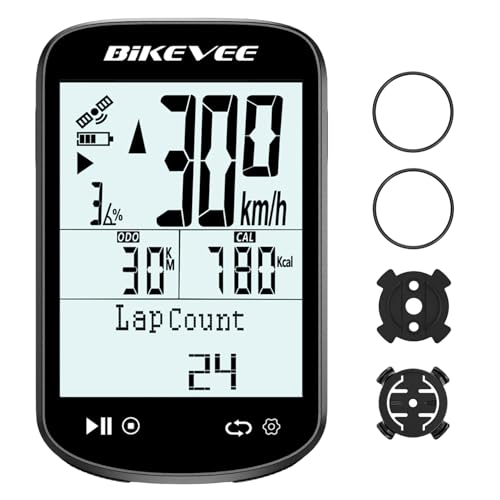
The Bikevee unit features a sizable 2.6″ LCD with manual backlight and clear readouts of current speed and ride data. It supports Bluetooth 5.4 and ANT+, allowing connection to multiple sensors. The device has an emphasized software update path via the Link-s app (v1.4.7), addressing prior batch issues and offering improved display reliability. It caters to riders who want a highly legible screen and reliable sensor integration for training and commuting.
Key considerations: Ensure you update to the latest firmware to access automatic backlight features and resolve any initial software hiccups. The large display is a plus for readability, but some users may prefer a lighter, more compact unit for minimal handlebar clutter.
COOSPO BC107 & BK467 Bundle

This COOSPO bundle pairs the BC107 GPS bike computer with the BK467 cadence/speed sensor. It supports ANT+ and Bluetooth connectivity, enabling seamless data transfer to compatible devices and apps. The package is designed for riders who want a ready-to-use setup with cadence data included, reducing the need for separate sensors. The BC107 offers GPS positioning and basic navigation features within a compact 2.4″ display footprint.
Key considerations: The bundled sensors expand data capture and training analysis. The note about sensor pairing and potential extra purchases for mounts or front out-front equipment should be considered when budgeting for a complete setup.
Buying Guide
- Display size and readability: Larger, high-contrast screens improve on-the-road data visibility. Consider backlight options for day and night riding.
- GPS accuracy and satellites: Devices that support multiple satellite systems (GPS, GLONASS, etc.) deliver steadier positioning, especially in urban canyons or under tree cover.
- Sensor ecosystem: If you plan to use heart rate, cadence, power meters, or speed sensors, verify ANT+ compatibility and whether the computer supports multiple sensors simultaneously.
- Battery life: Look for devices with long-lasting batteries for multi-hour rides. A 1000 mAh or greater battery is common in feature-rich models.
- Water resistance: IP ratings (IPX6, IPX7) indicate reliability in rain or spray. Choose according to your climate and riding conditions.
- App integration: Some bikes computers sync with TrainingPeaks, Strava, or brand-specific apps. Consider what analytics you want and how you’ll export rides.
- Mounting and compatibility: Ensure the front mount and strap attachment fit your handlebars and your bike’s geometry. Some bundles require additional mounts.
- Ease of setup: Apps that quickly pair sensors and firmware updates reduce initial setup time and improve data accuracy from the start.
- Future-proofing: If you anticipate adding sensors or upgrading to more advanced metrics, prioritize models with robust ANT+ and Bluetooth compatibility and frequent firmware updates.
- Intended use: Casual riders may prioritize simplicity and readability, while training-focused cyclists may want multiple data fields, power metrics, and detailed analytics.