Choosing the right kid seat for a bicycle can transform family rides from a chore into cherished adventures. This guide highlights five top options that balance safety, comfort, and ease of installation. Each product is evaluated for front or rear mounting, weight limits, and compatibility with common bike styles. Read on to compare features and find the best seat for your riding routine.
| Product | Mount Type | Weight Limit | Notes |
|---|---|---|---|
| Kid’s Bike Seat Front Carrier | Front | 55 lbs | Easy front mounting for younger riders. |
| Kid’s Bike Seat Rear Carrier | Rear | 55 lbs | Integrated ring-back design for safety. |
| Schwinn Deluxe Child Carrier | Rear | 40 lbs | Classic Schwinn safety features. |
| UrRider Front Child Seat | Front | 60 lbs | Lightweight, tool-free release. |
| Front Mounted Kids Seat (UrRider variant) | Front | Up to 60 lbs | Aircraft-grade materials, quick release. |
Front Mounted Kid Seat — Lightweight Front Carrier
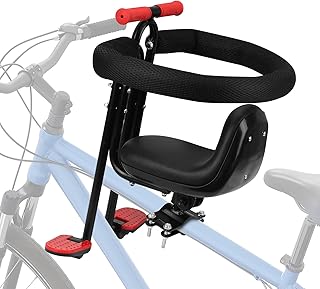
This front-mount seat is designed for children ages 2 to 4 and a maximum weight around 55 pounds. Its front-facing position keeps the rider’s viewpoint in sight, enabling better interaction between parent and child during rides. The seat is constructed from sturdy materials and includes safety features to reduce shifting or wobble while pedaling. It is suitable for most adult bikes and can be detached quickly when not needed, making it a practical solution for weekend outings or short commutes.
Key considerations include the ease of installation and the balance of front-mounted weight. Front seats can alter steering dynamics, especially on narrow or crowded trails, so they’re best for confident riders with a stable handling profile. For long trips, ensure the seat’s weight distribution doesn’t impede braking or tire grip. The fabrics and padding should be non-toxic and easy to clean after outdoor adventures.
Rear Mounted Child Seat With Protective Ring Back

This rear bike seat features an integrated ring-back design and a full perimeter fence to secure younger riders and prevent accidental falls. The frame uses thick steel pipes for durability, with a one-piece ring plastic back and leather seating for comfort. Suitable for children under five, this seat offers a stable ride with a padding setup designed to absorb shocks and reduce vibration during bumps and turns. It typically includes simple installation tools and an easy removal option for travel flexibility.
As a rear option, it preserves forward visibility for the rider and often allows children to observe the scenery as you ride. Ensure your bike’s rear rack and frame are compatible with the mounting hardware, and verify that the seat’s footrests and harnesses can accommodate your child’s height and weight for optimal safety.
Schwinn Deluxe Child Carrier

The Schwinn Deluxe Carrier accommodates one child aged 1+ with a maximum weight of 40 pounds. It emphasizes safety with a quick-release 3-point harness, a padded cross bar, leg restraints, and safety straps. Custom padding provides back support and cushioned seating for longer rides. Adjustable footwells and a removable headrest add further comfort and adaptability as the child grows. The design balances protection with ease of use, making it a reliable choice for family bike trips on various terrains.
When considering a rear-mounted option like Schwinn, evaluate compatibility with your bike’s seat stay and rear rack. The harness system should be inspected regularly for wear, and the padding should be kept clean to maintain hygiene, especially on longer journeys with rough pavement or gravel trails.
UrRider Front Mounted Kids Bike Seat
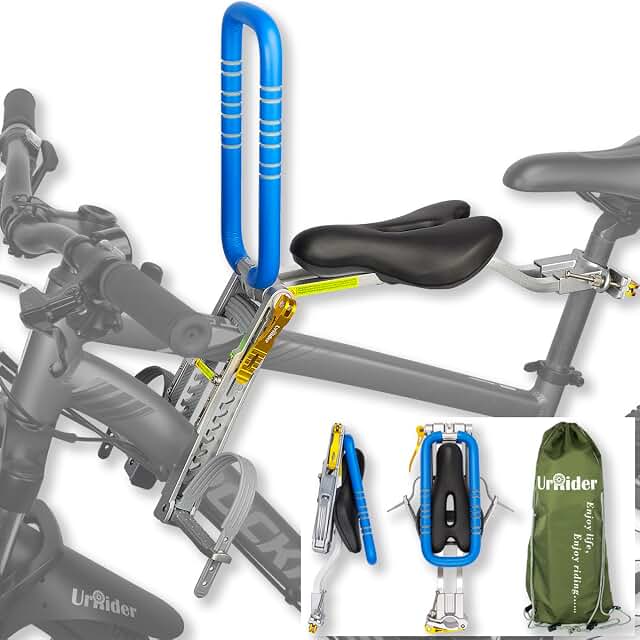
UrRider’s front-mounted seat features an upgraded design with US patent protection (Patent No.: US 11,383,781 B2). It uses aircraft-grade aluminum alloy and stainless steel components for rust resistance and durability, with a quick-release, tool-free setup. The seat targets children aged 2 to 6, up to 60 pounds, and is compatible with most bikes including mountain, cruiser, city, and folding models. The design emphasizes safety and comfort, offering a clear line of sight for the child and straightforward installation for parents.
Compatibility considerations include ensuring the top tube geometry accommodates the front seat and that the handlebars remain unobstructed. For riders with mixed terrain, verify the seat’s weight and mounting setup won’t compromise steering or balance when shifting weight or braking. Regular checks on the mounting hardware and padding will sustain comfort and safety across seasons.
Kids Front Mounted Seat With Guardrail

This front-mounted seat emphasizes shared outdoor experiences, designed for children aged 2 to 5 and up to 48 pounds. A protective guardrail, sturdy aluminum alloy chassis, and reinforced brackets ensure safety during rugged rides. The seat’s leather saddle provides a comfortable surface for little riders, while rubber lining on the interior protects the bicycle frame from scratches. It’s compatible with a wide range of adult bikes, including mountain and cruiser models, though it may not fit some bicycles with unique frame configurations.
When selecting a front seat, balance visibility and maneuverability. Front-mounted seats can affect steering leverage, so practice gentle turns in safe areas before venturing onto busy streets. The seat’s adjustability and grip for the child should be tested to prevent shifting during accelerations or braking. Regular cleaning and inspection will extend its useful life and maintain safety standards.
Buying Guide: Key Purchase Considerations For Kid Seats
- Mount Type: Front seats offer better visibility for kids and enable interactive riding but can affect steering and weight distribution. Rear seats tend to feel more natural for the rider and preserve steering accuracy but may limit the child’s view.
- Weight Capacity: Check the maximum child weight and age guidance. Overloading a seat can compromise safety and performance on uneven terrain or during quick stops.
- Compatibility: Ensure the seat fits your bicycle’s frame, fork, or rack. Some seats require specific mounting hardware or may not work with certain frame shapes or disc brake setups.
- Safety Features: Look for secure harnesses, padded seating, guardrails, non-slip footrests, and protective barriers. Quick-release mechanisms can be convenient but should be locked securely when riding.
- Comfort: Seating padding, back support, and foot positioning influence the child’s comfort on longer rides. Easy access to clothing adjustments and quick dismounts are practical for families.
- Installation And Removal: Tool-free or minimal-tool options save time on daily usage. Consider how easily you can install the seat when heading out and remove it for travel or storage.
- Bike Type And Use Case: For casual rides around neighborhoods, a lighter front seat might suffice. For longer trails or mixed-terrain trips, a robust rear seat or a high-quality front seat with good balance can be preferable.
- Maintenance: Regular checks on straps, padding, hinges, and rails help ensure ongoing safety. Cleanliness is important to prevent wear and material degradation.
- Age And Height Appropriateness: Align seat choice with your child’s growth, ensuring that harnesses and footrests continue to fit as they grow.
- Value And Warranty: Consider warranties and replacement parts, especially for high-use gear or if you regularly take kids on a ride.