Exploring the trail solo demands a compact, weather-ready shelter. This guide presents five top 1-person bikepacking tents that balance ultralight weight, quick setup, and dependable protection. Each option below is crafted to fit tight handlebar bags and panniers while delivering comfort and durability across three seasons. Use the linked product pages to compare specs, materials, and setup tips.
| Product | Brand | Season | Weight | Key Feature |
|---|---|---|---|---|
| Naturehike Bikepacking 1 Person Tent (B01BK464R2) | Naturehike | 3 Seasons | Lightweight | Freestanding with footprint included |
| Naturehike Bikepacking 1 Person Tent (B09QGLZ9VZ) | Naturehike | 3 Seasons | Lightweight | Freestanding, aluminum poles |
| Clostnature Crux 1 Person Tent | Clostnature | All Seasons | Ultralight | Fast setup, compact pack |
| Big Agnes Fly Creek HV UL Bikepack | Big Agnes | Multi-Season | Ultralight | Solution Dye fabric, streamlined setup |
| Naturehike Cloud-Up 1 Person Tent | Naturehike | 3 Seasons | Ultra-lightweight | Not freestanding, footprint included option |
Naturehike Bikepacking 1 Person Tent — B01BK464R2

Waterproof and windproof construction uses PU4000mm coated 20D nylon with seam taping for reliable dry nights. The tent uses sturdy 7001 aluminum alloy poles for strong resistance to wind and rain. Its 43.3-inch peak height and generous interior dimensions provide ample headroom for a single sleeper, with a footprint included for ground protection. Setup is quick with a freestanding design and two aluminum poles, typically taking under five minutes for users of any experience level.
Naturehike Bikepacking 1 Person Tent — B09QGLZ9VZ

This version shares the same waterproof coating and taped seams for weather resilience, combined with a 43.3-inch interior height and 80.7-inch length, giving space to sit up comfortably. It features a freestanding 2-pole aluminum frame for fast, one-person setup. A compact footprint and three-season protection make it a versatile pick for bikepacking across varying climates.
Clostnature Crux 1 Person Tent

Designed for backpacking weight with a roomy 7’3″ x 2’8″ floor plan and a compact packed size, this ultralight tent weighs about 2.97–4.0 pounds depending on gear configuration. The single-person footprint is paired with a quick, freestanding setup featuring two aluminum poles. The polyester rain fly and PU 5000 coating enhance waterproof performance, making it suitable for all-season use and challenging weather conditions.
Big Agnes Fly Creek HV UL Bikepack

This bikepack-specific design features refined corner construction and a three-function TipLok buckle system that secures the rainfly, pole tips, and tensioning. The high-volume hub architecture provides added interior space without increasing weight, while DAC aluminum frames and durable fabric deliver reliable performance on rugged routes. It includes pre-cut guy lines and color-coded components to simplify setup, with a practical single-door, vestibule configuration for gear storage and weather protection.
Big Agnes Copper Spur HV UL1 Bikepacking Tent
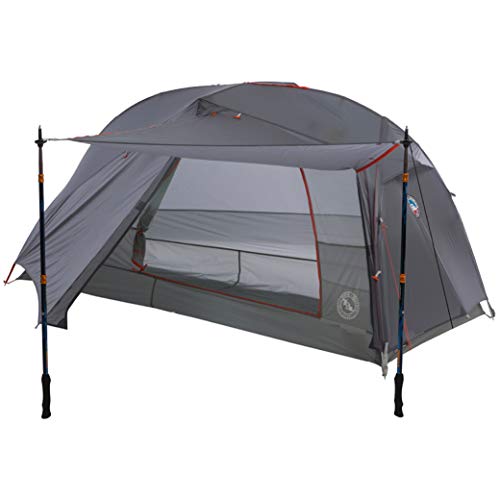
The Copper Spur HV UL Bikepack tent is crafted for bikepackers needing two doors and two vestibules, though it remains a compact, weight-conscious option. The tent uses ultralight nylon, DAC Featherlite NSL poles, and a short-stik pole design to ease packing on handlebars or panniers. Notable features include a streamlined pitch with compatible tensioners and the rugged durability needed for long-distance rides across varied terrain, while maintaining a small footprint for quick packing after a ride.
Naturehike Cloud-Up 1 Person Tent

Ultra-lightweight and designed for efficient backpacking, this tent weighs around 3.74 pounds and emphasizes a roomy interior with reliable rainfly coverage. Note that this model is not freestanding, so it benefits from a footprint or staking strategy to achieve stability in windy conditions. High-quality zippers, mesh pockets, and durable rip-stop fabrics contribute to long-term durability and comfort on longer trips.
Buying Guide: Key Purchase Considerations For Bikepacking Tents
When selecting a 1-person bikepacking tent, consider weight, weather protection, ease of setup, and packability. This guide compares common priorities and how different tents address them:
- Weather resistance: Look for tents with PU waterproof coatings (3000–4000mm) and taped seams to minimize leaks in rain. A robust frame (aluminum poles) improves wind stability and overall durability.
- Weight and pack size: Ultralight tents (2.5–4 pounds) save space on handlebars and frames. Freestanding designs offer easier setup on uneven ground, but non-freestanding may reduce weight but require staking.
- Space and comfort: For solo riders, a floor plan around 7’3″ x 2’8″ and a headroom of 40 inches or more provides comfortable sitting and sleeping space. A single door or vestibule can impact convenience for gear access.
- Setup speed: Free-standing, two-pole systems are typically the quickest to pitch, while models with fewer tent poles and pre-attached components save time for frequent setups.
- Footprint and ground protection: A footprint helps extend tent life by shielding the floor from rocks and moisture, particularly on rough or wet terrain.
- Durability vs. weight: Durability is important for long journeys; look for rip-stop fabrics, reinforced seams, and strong stake connections to resist bass weather and rough terrain.
- Use case flexibility: If planning multi-season trips, prioritize tents rated for all-season use with weatherproof features and robust vestibule storage options for gear and cooking.
These products collectively cover common rider needs: quick setup, weather resistance, compact packing, and reliable durability. For best results, verify current specs on each product page and match them to your typical routes, climate, and the amount of gear you carry.