Indoor cycling relies on a steady, level front wheel to mimic outdoor riding. A front wheel block securely raises and stabilizes your bike, improving balance, reducing floor wear, and enhancing overall trainer performance. This guide highlights top front wheel blocks designed for road, mountain, and hybrid bikes, helping you choose a block that fits your trainer and tire width while ensuring safe, efficient workouts.
Summary of Selected Products
| Brand | ||
|---|---|---|
| Thinvik | Bike Front Wheel Riser Block | 1.4″ rise, fits tires up to 1.8″, stable, skid-resistant, suitable for road and mountain bikes |
| Flexzion | Bike Trainer Front Wheel Block | 1.5″ elevation, rubber-padded base for grip, compatibility with wide tire widths |
| KOM Cycling | Indoors Front Wheel Riser Block (3 Heights) | Three heights, tapering valley for stability, webbed grips for secure footing |
| ThinkRider | Cycling Indoor Trainer Front Wheel Riser Block | Four widths to fit common tire sizes, lotus-inspired stable design |
| Saris | Front Wheel Riser Block | Three climb heights, stackable, reliable stability |
Thinvik Bike Front Wheel Riser Block

The Thinvik front wheel riser block is designed to raise the bike’s front wheel for a balanced indoor riding stance. It supports tires up to 1.8 inches wide, delivering a 1.4-inch rise. Its stable, skid-resistant surface helps keep the bike steady and protects flooring from damage. The interior is graduated to accommodate both mountain and road bike wheels, making it versatile for mixed training setups.
Flexzion Bike Trainer Front Wheel Block

Flexzion’s front wheel block is molded from sturdy plastic and fits most road and mountain bike tires from 20c up to 50c (5 cm wide). It provides about 1.5 inches of elevation, enabling a natural riding posture on indoor trainers. A rubber-padded base enhances grip to prevent slipping and minimize vibration, while also protecting flooring from scratches during hard efforts.
GEEDIAR Bike Front Wheel Riser Block
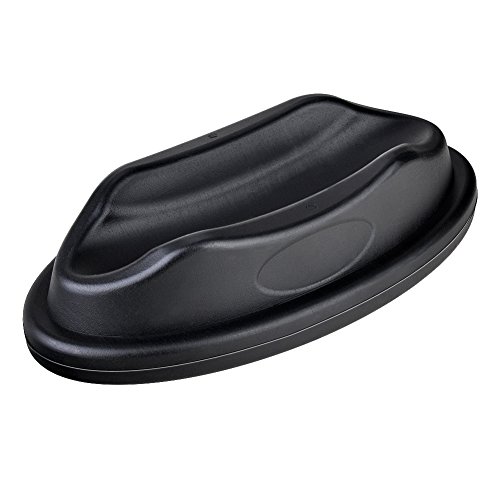
GEEDIAR offers a simple molded plastic stand that stabilizes the front wheel when the bike is in a static trainer position. It raises the front just enough to help maintain a secure riding posture during pedaling, with an internal design focused on maximum wheel stability. This block is easy to set up and compatible with a wide range of common trainer configurations.
KOM Cycling Indoor Trainer Front Wheel Riser Block (3 Heights)
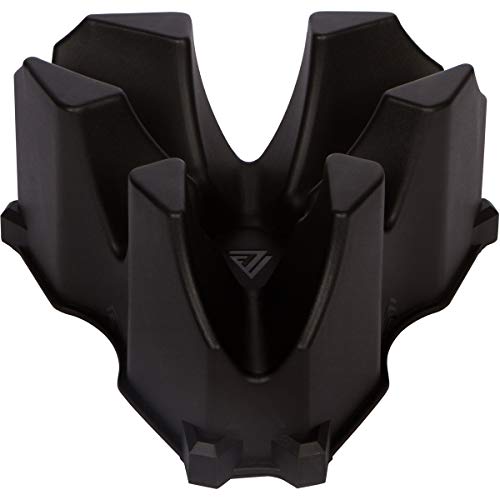
The KOM Cycling front wheel block features three height settings to align the front wheel with a variety of trainers, including popular models like Zwift Hub, Cycleops, and Kinetic. Its tapering valley design enhances stability for different wheel sizes, from 700x23c to 29.3. Webbed bottom grips keep the block securely in place, minimizing movement and wheel sway during intense sessions.
ThinkRider Cycling Indoor Trainer Front Wheel Riser Block

ThinkRider’s block provides four width options to fit tires commonly found on folding cars, road bikes, and mountain bikes. By offering widths of 1.14, 1.5, 2.28, and 2.64 inches, it accommodates wheel options from 20″ to 29″ plus 700C. The lotus-inspired design combines aesthetics with stability, aiming to keep the front wheel in a steady, comfortable position during indoor workouts.
Bike Trainer Front Wheel Block, Anti-Slip Riser Stand
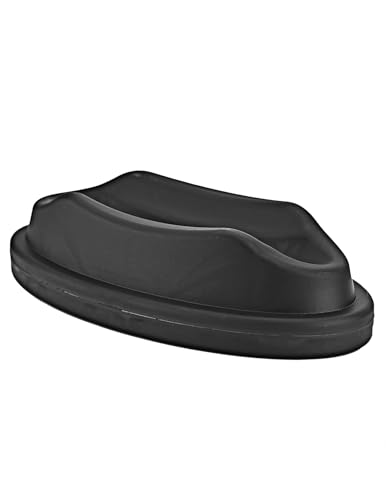
Featuring compatibility with tires up to 1.8 inches, this anti-slip block provides a 1.4-inch lift to align the front wheel with rear trainers for stable training. The upgraded anti-slip rubber base helps keep the setup steady during sprint intervals and climbs, while the rounded edges and smooth surface protect rims from damage and reduce tire wear over time.
KOM Cycling Indoor Trainer Front Wheel Riser Block (Second Listing)
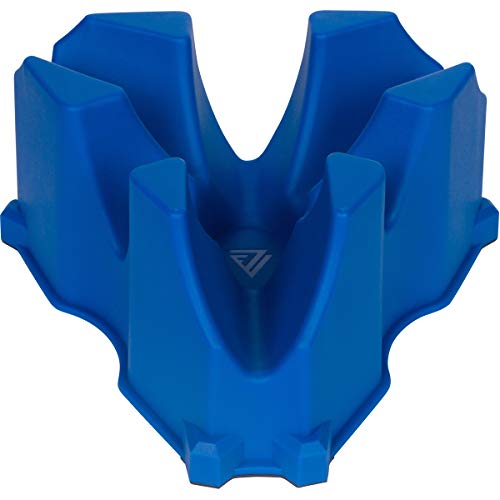
This alternative KOM listing reiterates three height options designed for universal compatibility with major trainers. The tapering valley and webbed grips provide reliable contact with the floor and a secure surface for hard efforts, ensuring wheels stay centered and aligned during workouts.
Saris Front Wheel Riser Block

The Saris front wheel block offers three climb heights and is stackable for extended challenges. Designed to deliver reliable stability, this block helps secure the front wheel so riders can focus on cadence, power, and form. Its modular design enables combining multiple blocks for customized elevation levels without sacrificing safety.
Buying Guide: Key Purchase Considerations
- Tire compatibility: Check the maximum tire width the block supports. Wider tires on gravel or touring bikes may require blocks designed for up to 1.8 inches or more.
- Elevation options: Consider whether you need a fixed height or multiple heights. Three-height or four-height designs let you tailor the front-wheel alignment to your trainer and desired riding position.
- Stability and grip: A non-slip base and a stable footprint reduce movement during hard efforts. Rubber padding or grippy surfaces help protect flooring and reduce vibration.
- Footprint and floor protection: Look for rounded edges and a smooth contact surface to prevent rim damage and floor scratches over time.
- Trainer compatibility: Ensure the block accommodates common trainer brands and wheel sizes (e.g., 700c, 27.5″, 29″). Some models explicitly list compatibility with Zwift Hub, Wahoo Kickr, TacX, and similar systems.
- Build material and durability: Molded plastic blocks are lightweight and affordable, while thicker bases and reinforced supports offer greater long-term resistance to impact and wear.
- Stackability: If you plan to vary the training intensity, consider how easily blocks stack or combine to achieve your preferred elevation.
- Ease of setup: Quick placement and a stable design reduce setup time before workouts and help maintain consistent performance during sessions.
Comparative Perspectives
For casual riders focusing on occasional indoor workouts, a single-height, cost-effective block with a stable base may suffice. Advanced or competitive cyclists often benefit from blocks offering multiple heights and robust bottom grips to enable precise wheel alignment across different trainers and tire widths. If floor protection is a priority, models with rubber bases and anti-slip surfaces are advantageous. Finally, stackable options provide long-term flexibility as you adjust to different training requirements and setups.
Additional Considerations
When selecting a front wheel block, consider your typical training environment and space. A compact block that still offers adequate elevation is ideal for smaller home gyms, while a larger, heavier base can provide extra stability on high- intensity workouts. Review user feedback for real-world stability during sprints and steep climbs, and confirm compatibility with your existing trainer model before purchasing.