Finding a reliable bike rack for park use means balancing durability, park-friendly footprint, and easy accessibility for casual riders and volunteers. The following selections focus on sturdy floor and wall-mounted designs that can organize multiple bicycles in community spaces, outdoor pavilions, and park storage areas. Each option is evaluated for stability, bike compatibility, and installation considerations to help park managers choose practical, low-maintenance solutions.
| Product | Brand |
|---|---|
| CyclingDeal Bike Rack Floor Parking for Up to 6 Bicycles | CyclingDeal Store |
| Simple Houseware 5 Bike Floor Parking Stand | Simple Houseware Store |
| Floor Bike Rack for 5 Bikes (Disc Brakes & Derailleurs Friendly) | Kingarage Store |
| Delta Michelangelo 2 Bike Storage Rack | Delta Store |
| monTEK Automatic Lift Bike Rack | monTEK Store |
CyclingDeal Floor Stand For Up To Six Bicycles

The CyclingDeal floor rack is designed to hold up to six bicycles with a two-plate system featuring tire grooves. The design emphasizes vertical stacking for compact storage, using optimized angles to anchor front and rear wheels. It is best suited for indoor environments like park maintenance spaces, garages, and multi-bike storage rooms where weather exposure is limited. The unit is built from steel with a black powder-coated finish for corrosion resistance and long-term use.
Key features include a linked-holder setup that increases overall weight and stability compared with single-bike stands. The instruction video in the listing provides setup guidance, and the product supports flexible entry angles to fit different bike spacing. Users should note the stand is intended for indoor use and may require careful spacing planning to accommodate six bikes without wheel or handlebar interference.
Simple Houseware 5-Bike Floor Parking Stand

The Simple Houseware design uses five upright sections to securely hold bikes, with adjustable orientation to suit different space layouts. It accommodates wheel sizes from 12″ to 26″ and tire widths up to 2.5″. Integrated bottom brackets act as stoppers, boosting stability for parked bicycles. The rack’s modular structure makes it suitable for park maintenance sheds or community bike storage areas where a moderate number of bikes are expected.
Notable considerations include the need for level flooring to maximize stability and to prevent wobble when loading multiple bikes. While the setup is straightforward, park managers should plan for occasional reconfiguration to adapt to changing bike fleets or seasonal bike events in the park. The unit is optimized for indoor or sheltered areas to protect metal components from weathering.
Floor Bike Rack For Five Bikes (Disc Brakes & Derailleurs Safe)

This floor rack targets five bikes with a focus on compatibility with modern components such as disc brakes and derailleurs. Its 0.63-inch-thick steel tubes offer enhanced stability for heavy usage in park storage rooms or indoor garage spaces. The design allows bikes with varied frame geometries to be stored without scratching or interfering with braking systems, thanks to adjustable buckles that align the wheel base for each bike.
Practical use in parks includes organizing bikes for youth programs, volunteer events, or community bike-safety workshops. While robust, the rack is best placed in sheltered locations to protect metal surfaces. Some assembly is required, and maintenance should include occasional checks for bolt tightness and corrosion resistance in high-humidity climates.
Delta Michelangelo 2 Bike Storage Rack
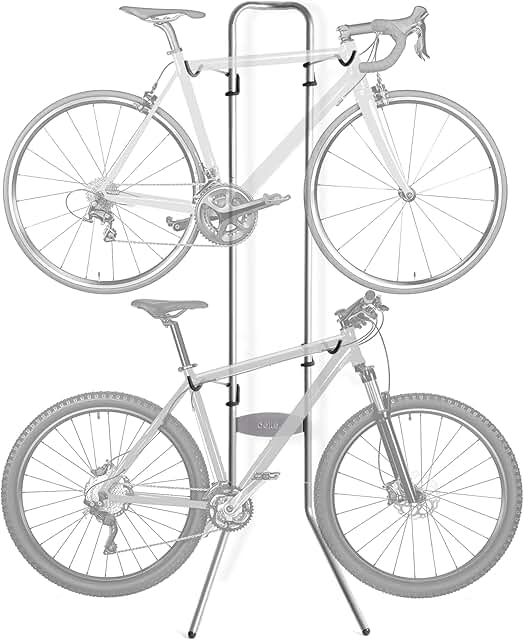
The Delta Michelangelo two-bike gravity stand uses a wall-lean design to suspend bikes without permanent mounting, making it adaptable to park storage needs where drilling or wall modifications are undesirable. The stand supports up to 80 pounds collectively and keeps bikes vertically oriented, freeing floor space in garages, maintenance sheds, or community spaces. Its footprint is relatively compact, with an 84-by-26-inch profile ensuring visibility and easy access for park users.
Construction features a powder-coated steel finish and rubber feet to protect floors and surfaces. While the design is sleek, users should ensure the wall surface can bear the load, and bikes should be balanced to prevent tipping. The stand is suitable for road, MTB, and hybrid bikes up to 40 pounds per bike, aligning well with mixed bike fleets typical in community parks.
monTEK Automatic Lift Bike Rack
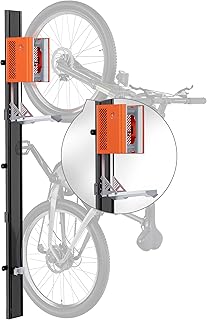
The monTEK Automatic Lift is a heavy-duty vertical wall rack designed for 24- to 29-inch tires, supporting bikes up to 71 pounds. Its automatic mechanical lift simplifies storage by gradually lifting the bike to a vertical position with minimal effort. This feature makes it practical for park facilities with frequent bike checkouts or volunteer staff who need quick, reliable storage. The design uses durable anodized aluminum and stainless steel components, offering a robust solution for long-term outdoor or indoor use, though exposure to extreme weather is best avoided without protective housing.
Space-saving advantages are notable, as vertical storage reduces floor footprint by a significant margin. Installation requires a sturdy wall surface and secure anchoring to support dynamic loads as bikes are moved and stored. The device supports a wide range of bike types, including road, mountain, and e-bikes, making it versatile for park fleets or community programs.
Buying Guide: Key Purchase Considerations And Comparisons
- Storage capacity and layout: Determine how many bikes you need to store and whether a floor rack or wall-mounted solution best fits the available space in your park facility. For larger groups, multi-bike floor racks provide straightforward scalability, while vertical wall racks free floor space in tighter areas.
- Bike compatibility: Check tire width, tire height, and wheel sizes supported by each rack. Some models are optimized for 12″-26″ wheels, while others accommodate up to 29″ MTB tires. Consider disc brakes and derailleur clearance if applicable to your bike fleet.
- Indoor vs. outdoor suitability: Racks intended for indoor or sheltered environments generally last longer in park storage rooms or maintenance sheds. Outdoor use requires weather-resistant finishes or protective housings to prevent corrosion.
- Stability and safety: Look for welded steel construction, wide base plates, and anti-tipping designs. For parks with high foot traffic, choose models with secure wheel restraints and non-slip contact surfaces.
- Ease of use and maintenance: A practical rack should offer straightforward loading and unloading, with minimal maintenance. Lightweight or modular designs can be advantageous for volunteer staff who rotate duties.
- Installation requirements: Some racks require wall mounting or floor anchoring. Ensure you have appropriate anchors, tools, and space to install without interfering with park operations or public access.
- Cost of ownership: Consider not only the upfront price but also long-term durability, warranty terms, and maintenance costs. Cheaper units may require more frequent replacement in high-use park environments.
- Security and accessibility: If bikes are left unattended, consider racks with locking options or deterrents to theft. Accessibility for users with varying heights or wheelbase designs should be evaluated.
In selecting a park-friendly bike rack setup, prioritize models that balance capacity with space efficiency, while ensuring compatibility with your most common bike types. For indoor storage rooms or maintenance facilities, a modular floor rack can provide flexible arrangement, while for smaller closets or wall corridors, a gravity-based or automatic lift rack can offer compact, user-friendly operation. Always verify installation requirements and plan for future expansion as park bike programs grow or seasonal events increase demand.