Finding the right power meter pedals can transform how you train, race, and track progress on the bike. The latest models deliver accurate wattage data, easy installation, and seamless integration with cycling computers and apps. This guide highlights five top choices that balance accuracy, compatibility, and value for American riders seeking reliable power measurement from pedal-based systems.
| Product | Brand | Key Benefit | Typical Use |
|---|---|---|---|
| FAVERO Assioma UNO | FAVERO | Left-side power sensing with easy swaps between bikes | Road & recreational riding |
| Magene P715 S | Magene | ±1% accuracy and long 120h battery life | All-day training |
| Favero Assioma Duo | FAVERO | Dual-sensing power for left/right balance | Advanced power analytics |
| Garmin Rally RS200 | Garmin | Dual-sensing with strong Garmin ecosystem integration | Garmin users and multisport training |
| Favero Assioma PRO MX-1 | Favero | Premium MTB/road versatility with modular bodies | MTB and mixed terrain |
FAVERO Assioma UNO Side Pedal Based Power Meter

The Assioma UNO places the power sensor in the left pedal, offering true left-leg power data and straightforward transfer between bikes like standard pedals. Installation is simple, and the rechargeable batteries provide extended use—approximately 50 hours per charge—making it suitable for heavy training blocks. The UNO pairs via Bluetooth and ANT+ to most bike computers and training apps, delivering consistent, sensor-driven wattage readings. Its compact design minimizes weight while maintaining rugged reliability for daily riders.
Magene P715 S Power Meter Pedals

The Magene P715 S delivers high-precision power data with about ±1% typical accuracy and a robust 120-hour battery life. The pedals are designed for wide bike compatibility, supporting ANT+ and Bluetooth connections for easy pairing with cycling computers and training apps. Installation is quick, often rated at about one minute, allowing riders to switch between bikes without hassle. This model emphasizes consistency across temperature and ride conditions, supporting endurance training and structured workouts on varied terrains.
Favero Assioma PRO MX-1

The PRO MX-1 model offers universal compatibility with road and MTB setups through a modular pedal body design. It features a single-sensor left pedal configuration in some builds, allowing you to pair with a variety of cleat systems while keeping the power sensor in place. Automatic temperature compensation (ATC) helps maintain accuracy across outdoor conditions, and the setup supports Bluetooth and ANT+ for seamless data transfer to your preferred training devices. A strong option for mixed-terrain riders who want reliable watt tracking across disciplines.
Wearable4U: Favero Assioma Uno Pedal Based Bundle
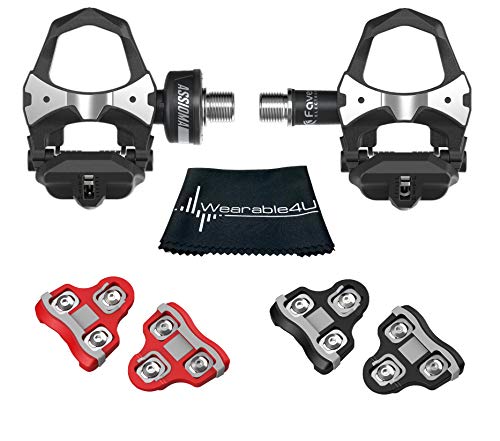
This bundle includes the Favero Assioma UNO with extra cleats and cleaning cloths, providing comprehensive setup for power training. The true left-power data sensor enables precise leg-power tracking. The kit emphasizes quick installation and easy transfer between bikes, requiring no specialized tools. Cleat options widen compatibility with existing footwear, supporting consistent power measurement across cycling disciplines.
Wearable4U: Favero Assioma Uno Pedal Based Bundle
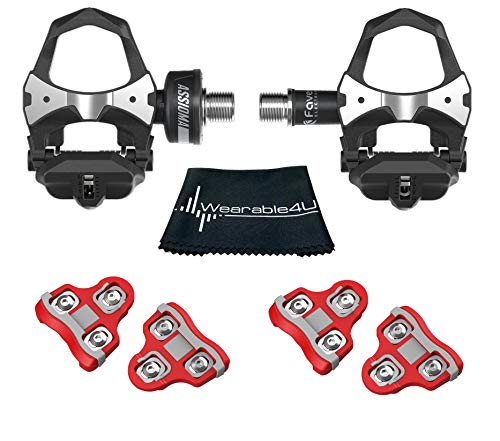
Another Wearable4U bundle centers on the Assioma UNO with additional cleats and cleaning cloth. It highlights easy installation and the advantage of left-pedal sensing for calculating leg power. The bundle is designed for riders who want flexibility to move their power meter between bicycles while maintaining accurate, ride-ready data collection. The included cleaning cloth helps keep contacts and sensors free of debris for consistent readings.
Wearable4U: Favero ASSIOMA PRO MX-1 Power Meter With Power Bank

This bundle pairs the PRO MX-1 pedal system with a power bank, emphasizing extended outdoor riding capability and reliability. The PRO MX-1 integrates a left-sensor approach with a robust, weather-resistant housing and Bluetooth/ANT+ compatibility for data transfer to sport watches, apps, and GPS units. It suits riders who demand endurance-ready power data in demanding conditions, with the modular design for MTB and road transitions.
Garmin Rally RS200 Dual-Sensing Power Meter

The Garmin Rally RS200 Bundles are designed for cyclists who want deep Garmin ecosystem integration. The RS200 provides dual-sensing power with accurate cadence and left/right balance metrics. Installation is straightforward, and the pedals are compatible with SHIMANO SPD-SL cleats, enabling smooth use in road setups. The system delivers seamless software updates and robust connectivity with Garmin devices, ensuring comprehensive analytics within the Garmin ecosystem for training and racing planning.
Buying Guide: Key Purchase Considerations
Power meter pedals vary in sensing approach, compatibility, and ecosystem integration. When choosing, consider the following:
- Power sensing type: Single-sensor (usually left-only) vs. dual-sensing (left and right). Dual sensing provides more precise balance data but can be pricier.
- Bike compatibility and installation: Ensure pedals match your shoe cleats and your bike’s crank compatibility. Some models support quick swapping between bikes, which is ideal for multi-bike households or rental bikes.
- Battery life and charging: Look for models with long battery life and straightforward charging methods to minimize downtime during training blocks.
- Data compatibility: Confirm Bluetooth and ANT+ support and whether the data integrates with your preferred training apps, GPS devices, or Garmin/Schmidt ecosystems.
- Durability and environmental resilience: IP ratings, weather resistance, and build quality matter for riders training in varied weather and terrains.
- Software updates and support: Regular firmware updates can improve accuracy and features. Check the manufacturer’s support and warranty terms.
In practice, endurance-focused riders may prioritize long battery life and consistent accuracy (e.g., Magene P715 S), while Garmin users might lean toward Rally RS200 for ecosystem integration. Road racers often opt for dual-sensing models (Assioma Duo) for more detailed left/right balance data, whereas MTB riders might value modular designs (PRO MX-1) that switch between road and off-road pedal bodies without losing the sensor.