Triathlon racing demands a helmet that blends aerodynamics, safety, and ventilation. The following hand-picked helmets are designed to minimize drag, protect the head, and keep you cool during swim-to-bike-to-run transitions. Each option below is suitable for triathlons and road cycling alike, offering trusted MIPS protection, advanced shell construction, and adjustable fit systems for a secure, race-ready feel.
| Product | Brand | Key Benefit |
|---|---|---|
| Giro Isode MIPS II Cycling Helmet | Giro | Enhanced fit with MIPS Evolve Core |
| Giro Vanquish MIPS Cycling Helmet | Giro | TransformAir and progressive EPS for aero performance |
| SMITH Persist Cycling Helmet | SMITH | Zonal Koroyd Coverage with strong venting |
| Kask Utopia Y | Kask | AERO-CONTROL with rotational impact protection |
| SLS3 Triathlon Bike Helmet | SLS3 | Aero road helmet with removable visor |
Giro Isode MIPS II Cycling Helmet

The Giro Isode MIPS II combines Giro’s MIPS Evolve Core with an adjustable Roc Loc Sport fit system. The MIPS Evolve Core is designed to reduce rotational forces in impacts by pairing a slip plane with an adjustable fit. In-Mold construction fuses a tough polycarbonate shell with an impact-absorbing foam liner, enabling better ventilation and a lighter, cooler helmet overall. The Roc Loc Sport fit system offers easy one-handed adjustments across a 7 cm range, with a secure, confident click to indicate a proper fit. This helmet emphasizes comfort without compromising safety, making it a strong option for triathletes who need reliable protection across multiple race zones.
Giro Vanquish MIPS Cycling Helmet
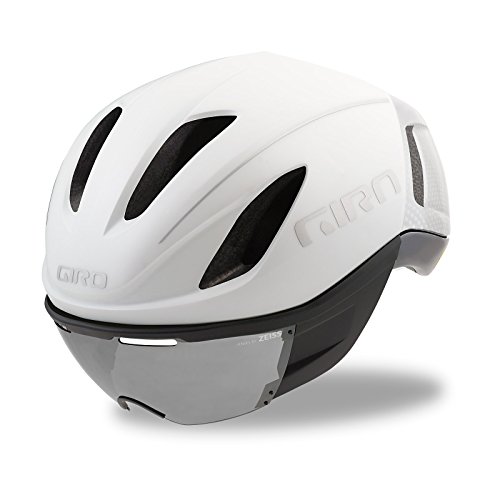
The Giro Vanquish MIPS helmet focuses on aero performance with TransformAir technology and a multi-layer EPS liner. Its progressive EPS layering supports efficient energy absorption, while integrated MIPS technology helps reduce rotational forces during certain impacts. The result is a race-ready helmet that maintains cooling and comfort for longer riding periods, allowing triathletes to push the pace without overheating.
SMITH Persist Cycling Helmet

SMITH Persist combines the MIPS Safety Protection System with Zonal Koroyd Coverage for lightweight, energy-absorbing protection and ventilation. Its 21 fixed vents support consistent airflow, and the AirEvac system helps prevent foggy lenses when worn with eyewear. The helmet is designed to stay cool on hot rides and provide reliable protection with a focus on comfort during longer triathlon training sessions and road rides alike.
Kask Utopia Y Bike Helmet

Kask’s Utopia Y is designed for aerodynamics and cooling, making it suitable for triathlon speed work. It features AERO-CONTROL engineering and a lightweight profile for high-speed cycling, with an emphasis on comfort and safety. It has rotational impact protection and high-visibility reflective inserts to enhance safety in low-light conditions. The helmet’s ventilation is tuned to balance temperature regulation with reduced drag, helping athletes stay cool during the bike leg of a triathlon and beyond.
Kask Utopia Y – Protone Icon Variant

This Kask Utopia Y variant focuses on aerodynamics with aerodynamic shaping and enhanced ventilation. It emphasizes rotational impact protection and an internal framework designed to maximize safety without adding bulk. The removable, washable inner padding ensures fresh comfort across long training sessions and race days, while reflective accents boost visibility in low-light conditions.
Giro Aerohead MIPS Cycling Helmet

The Giro Aerohead MIPS features a polycarbonate shell, Giro’s Super Fit Engineering, and an integrated ZEISS eye shield. While not exclusively a triathlon helmet, its lightweight construction and MIPS protection make it a compelling option for athletes seeking a compact, aerodynamic profile with versatile eye protection for open-water swims and fast road segments.
Buying Guide
Key factors to consider when choosing a triathlon-appropriate helmet include safety, aerodynamics, ventilation, weight, and fit. Below are multiple perspectives to help guide a decision:
- Safety technology: Look for MIPS or equivalent rotational-impact protection, plus a secure fit system. Helmets with in-mold construction often offer better ventilation and lighter weight, improving comfort during long events.
- Aerodynamics and ventilation balance: Aero-focused helmets tend to be more form-fitting with reduced vents. If you anticipate hot race conditions, prioritize models with strategic vent placement and internal channels to maximize airflow without sacrificing speed.
- Fit and adjustability: A helmet should fit snugly without pressure points. Systems like Roc Loc Sport or similar allow easy one-handed adjustments, including adjustments for ponytails or longer hair, which can be beneficial during multi-sport events.
- Visibility: Reflective elements and high-contrast colors can improve safety during low-light periods or early morning training sessions.
- Eye protection compatibility: Some models offer integrated visors or shields. Ensure the helmet provides adequate space for your eyewear and the visor mechanisms, especially if you plan to use prescription lenses or cycling glasses during the bike leg.
- Weight considerations: Lighter helmets reduce fatigue over long rides. However, ultra-light designs should still meet safety standards and provide sufficient impact protection for triathlon courses.
- Maintenance: Removable padding and washable liners help keep helmets fresh across training blocks. Always follow manufacturer care recommendations to preserve protective integrity.
Across the five featured helmets, you’ll find a mix of pure aero emphasis and balanced designs that prioritize cooling and comfort for long course racing. For triathletes, it’s generally wise to select a helmet that remains comfortable over extended periods, remains stable during fast transitions, and integrates well with eyewear and visors. Always ensure the chosen model fits your head shape and measurement, and verify that the size matches your typical cycling helmet size for a secure, race-ready fit.