Choosing a helmet for very young riders involves safety, comfort, and easy adjustability. The best helmets for 3-year-olds should combine impact protection with a lightweight design, ample ventilation, and simple size adjustments that keep up as kids grow. Below is a curated selection of top-rated toddler and youth helmets designed for ages 1–8, featuring secure fittings, breathable shells, and durable construction for bikes, scooters, skateboards, and more.
| Product | Brand | Key Feature | Fit Range |
|---|---|---|---|
| Toddler Helmet (Lemmeko) | Lemmeko | Adjustable dial, 11 vents, removable padding | 18.9″–21.7″ (48–55 cm) |
| Besttravel Kids Bike Helmet | Besttravel | Rugged ABS shell, shock-absorbing EPS | 18.9″–21.3″ (48–54 cm) |
| OUWOER Kids Bike Helmet (Blue) | OUWOER | Three sizes, 11 vents, CPS safety standard | 48–61 cm depending on size |
| Bell Spiderman Spidey Eyes | BELL | Character design with high visibility reflectors | 48–52 cm (3–5 years) |
| Retrospec Scout | Retrospec | Ergoknob dial fit, 14 vents, lightweight shell | Varies by size |
Note: Sizes are guidelines based on head circumference and age. Always measure your child’s head and verify the product’s fit chart before purchase. The helmets below are chosen for combined safety, comfort, and adjustable fit to accommodate growth and multiple activities.
Lemmeko Toddler Helmet For Active Kids

The Lemmeko toddler helmet combines a hard PC outer shell with an EPS inner foam to deliver reliable impact protection for ages 1–8 during biking, skating, scooting, and more. It features 11 vents to promote airflow and reduce sweating, along with removable, sweat-absorbent inner padding for easy cleaning. An adjustable dial at the back enables a precise fit for head circumferences from roughly 48 to 52 cm, supported by an adjustable chin strap for secure wearing during active moments.
Protection and comfort are balanced with everyday practicality. The helmet’s lightweight construction helps reduce fatigue, making it suitable for longer outdoor sessions. The design also emphasizes a snug, secure fit to minimize movement on bumps and turns, which is crucial for younger riders who are still mastering balance and control.
Besttravel Kids Bike Helmet For Growing Kids

The Besttravel helmet is designed for 3–8 year olds with a snug fit that can grow as your child does. It combines a rugged ABS outer shell with an EPS foam core to absorb impacts effectively. The helmet is suitable for biking, skateboarding, rollerblading, scooters, and other outdoor activities. Its simple adjustment mechanism supports a reliable, secure fit for several seasons, helping families extend the helmet’s useful life without sacrificing safety or comfort.
Ventilation is important for comfort, and this model provides airflow to help keep little heads cool during hot days. The lightweight construction contributes to ease of wear, especially for children who may be new to protective headgear. The helmet’s durability supports repeated use as kids develop better balance and more confident riding skills.
OUWOER Kids Bike Helmet (Blue)
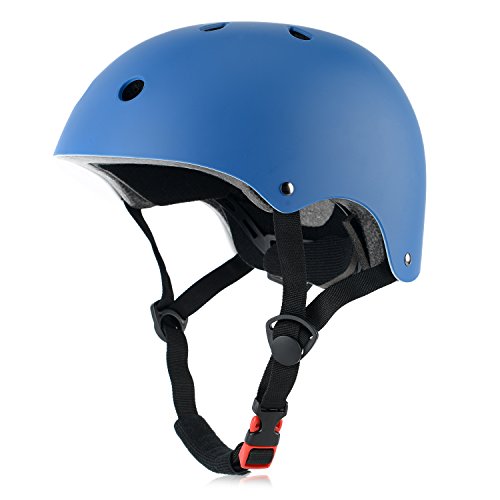
OUWOER offers a multi-size approach to fit toddlers and youth, with three available sizes and 11 top and side vents for airflow. The helmet uses an ABS shell with high-quality EPS foam to absorb shocks, meeting U.S. safety standards for bicycle helmets for older children. The sizing is designed to grow with the child, and the adjustable chin strap helps ensure a secure, no-dig fit that reduces helmet movement during play and commutes.
The design prioritizes a balance between protection, ventilation, and comfort. It’s a practical choice for parents seeking a single helmet that can accompany a child through multiple activities and stages of growth, without frequent replacement due to rapid head growth.
Bell Spiderman Spidey Eyes Toddler Helmet
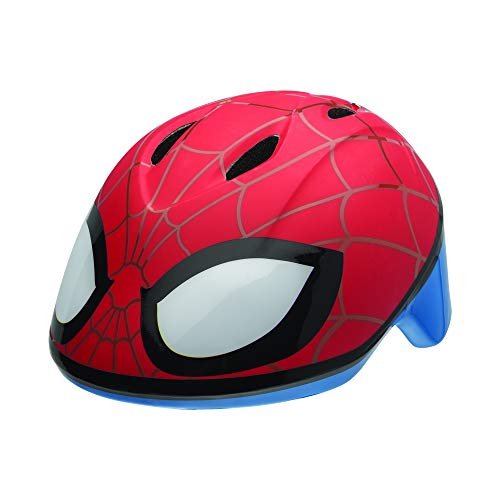
The Spidey Eyes helmet from Bell targets active youngsters aged 3–5 with a playful design that encourages wearing a helmet. It provides head protection with a secure fit, featuring high-impact reflectors for visibility. While the product description emphasizes character appeal, its sizing remains within a compact range, making accurate measurement and fit important to ensure safety. The helmet is appropriate for biking, skating, and other outdoor activities where head protection is prudent.
Parents may appreciate the visual appeal for younger riders, while caregivers should verify the circumference and try different sizes if the first option feels loose or tight. A proper fit is essential to maximize the protective benefits of the helmet’s shell and foam construction during falls or collisions.
Retrospec Scout Toddler Bike Helmet

Retrospec’s Scout helmet emphasizes a lightweight, multi-sport protection profile with a PVC shell and EPS foam. It’s designed for a snug fit through an ergonomic dial system and a fully adjustable nylon chin strap. With 14 vents, the helmet provides strong airflow to help keep kids cool during play, creating an appealing option for kids who engage in biking, skateboarding, and other activities. The Scount’s two-size approach is intended to ensure a stable fit as children grow or switch between activities.
In addition to safety, the Scout aims for comfort by reducing pressure points and distributing weight evenly. It’s a practical option for families seeking a durable helmet that can serve across multiple seasons and activities while maintaining a secure, comfortable fit for younger riders.
Buying Guide: Key Purchase Considerations
Head size and fit are the most critical factors. Always measure the child’s head just above the eyebrows and around the widest part of the back of the head, then compare to the helmet’s size chart. Look for adjustable dial fits and adjustable chin straps to secure the helmet without causing discomfort or chafing.
Safety certifications are essential. Ensure helmets meet or exceed applicable standards (for the U.S., look for CPSC 1203 and, where applicable, ASTM F1447). A robust EPS foam layer and a rigid outer shell help absorb impacts. Strong construction reduces crack risk during falls and supports longer-term use as a child grows.
Ventilation matters for comfort and compliance. More vents generally improve airflow, reducing heat and sweaty discomfort during summer rides. However, ensure vents are not placed in a way that compromises structural integrity.
Weight and design influence wearability. Lighter helmets reduce fatigue and encourage consistent use, especially for kids who are still learning balance and control. Bold, kid-friendly designs or favorite character themes can improve willingness to wear the helmet regularly.
Adjustability and growth compatibility are practical considerations. Helmets with multi-size options or adjustable dials extend the usable life across several ages, reducing the need for frequent replacements as heads grow. Removable padding aids in cleaning and maintenance, contributing to better long-term hygiene and comfort.
Activity compatibility is another factor. Helmets that support biking, skating, scooting, and other activities provide better value and simplify gear management for active families. Look for models labeled for multi-sport use to maximize versatility while maintaining protection standards.