Finding the right handlebar alignment can improve steering accuracy, comfort, and overall control. The following tools are designed to help cyclists of all levels achieve precise handlebar and saddle alignment, reducing the need for shop visits and ensuring a smoother ride. The selections below focus on reliability, ease of use, and compatibility across common bike styles.
Summary of Selected Products
| Product | Brand | Key Benefit | Amazon Link |
|---|---|---|---|
| Handlebar Laser Aligner | JHSHlye | Fast, middle-handlebar mounting for quick alignment | View |
| Derailleur Hanger Alignment Gauge | PACYTION | 2-in-1 tool for derailleur and dual-control levers | View |
| HBH-2 Handle Bar Holder | Park Tool | Prevents rotation in stands; fits wide handlebars | View |
| HAIKS Bicycle Handlebar Laser Calibrator | HAIKS | Dual-function alignment and saddle calibration | View |
| XJKLBYQ Handlebar Aligner | XJKLBYQ | Precise alignment for handlebars and saddles | View |
Note: The table above highlights five tools that cover a range of needs—from quick alignment to more advanced derailleur and saddle adjustments—helping riders validate alignment before rides or adjustments.
Handlebar Laser Aligner for Bicycles
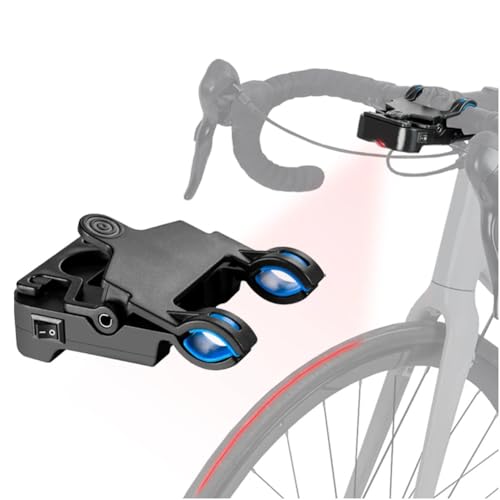
The JHSHlye Handlebar Laser Aligner centers the alignment by mounting in the middle of the handlebar and directing laser rays toward the tire center. The design emphasizes quick setup and accurate calibration, promoting smoother rides as alignment is verified with minimal effort. It also complements saddle adjustments to optimize overall cycling posture and control.
Key features include simple mounting, precise ray alignment to the tire center, and a focus on improving performance through straightforward calibration. This tool is suitable for riders looking to quickly verify bar position without extensive mechanical adjustments, making it ideal for home use and on-the-road checks.
Derailleur Hanger Alignment Gauge

This 2-in-1 tool from PACYTION combines derailleur hanger alignment with road bike dual control lever alignment. It’s designed to adjust the horizontal height of dual control levers quickly and precisely, making it a practical choice for both hobbyists and professional shops. The main body uses lightweight aluminum alloy, with stainless steel screws for durability and reliable tension during use.
Users can expect a practical, efficient experience when aligning derailleurs and levers, backed by a design that emphasizes ease of operation and accuracy. The tool supports common road bike configurations and helps maintain precise shifting and control across a variety of setups.
Park Tool HBH-2 Handle Bar Holder

The Park Tool HBH-2 is designed to prevent the handlebars and front wheel from rotating when a bike is mounted in a repair stand. Updated to fit handlebars up to 32mm and oversized top tubes up to 50mm, this holder works with most road and mountain bikes. It is a versatile addition to any workshop, helping keep components steady during adjustments and alignment checks.
With a focus on stability and compatibility, the HBH-2 supports consistent alignment work by reducing movement that can skew measurements. This makes it a staple for bike shops and serious home mechanics who handle a wide range of frame sizes and handlebar diameters.
HAIKS Bicycle Handlebar Laser Calibrator

The HAIKS Handlebar Laser Calibrator provides a dual-function approach: handlebar aligner and saddle calibration. Mounting to the middle of the handlebars, riders align the rays to the tyre centers for precise bar positioning, then adjust saddle position to suit different riding needs. This dual capability supports enhanced riding efficiency and control, particularly for users seeking a comprehensive alignment solution.
Its design emphasizes quick setup, clear measurement references, and compatibility with standard handlebar dimensions. The saddle adjustment feature adds value for riders looking to optimize overall posture and comfort along with bar alignment.
XJKLBYQ Handlebar Aligner

The XJKLBYQ Handlebar Aligner works with handlebars ranging from 22.2 to 31.8mm in diameter, offering universal compatibility for most bicycles. The ABS construction balances light weight with durability to withstand regular maintenance tasks. The tool is designed for precise alignments of both the handlebar and saddle, enabling cyclists to set up a comfortable and efficient riding position with minimal effort.
Users benefit from straightforward operation, robust materials, and a focus on achieving accurate positioning to improve ride quality and control across various bike types, from road bikes to hybrids.
Buying Guide: Key Purchase Considerations
- Compatibility: Check diameter ranges and whether the tool accommodates road, mountain, or hybrid bikes. Some tools support a wide range of handlebars and spacers, while others are more specialized.
- Dual-Function Capabilities: For riders seeking efficiency, consider tools that also address saddle alignment or derailleur alignment in one device.
- Material and Durability: Aluminum alloy and stainless steel components offer good durability for frequent use. Weight and built quality matter for steady measurements during maintenance.
- Ease of Use: Look for clear alignment indicators and simple mounting. Tools that require minimal skill minimize setup time and errors.
- Stand and Workspace Compatibility: Some devices pair with repair stands, while others are handheld. Consider how you plan to use the tool (home garage vs. shop).
- Accuracy and Calibration: Consider the precision of the reference points (center of tires, straight lines, etc.) and whether the device provides repeatable measurements across sessions.
- Brand Support and Availability: Reputable brands with accessible customer support and compatible accessories can be beneficial for ongoing maintenance.
Across these tools, users should evaluate how each product addresses their primary needs—quick bar alignment, precise derailleur and lever adjustments, or integrated saddle positioning. For new riders, a simple laser or alignment aid with clear visuals may suffice, while seasoned cyclists might prefer comprehensive tools that support multiple adjustments in one system.