Choosing the right bike glasses with prescription compatibility can dramatically improve safety, comfort, and visibility on the road or trail. The following selections offer prescription-friendly options, photochromic or polarized lenses, and durable frames designed for cycling. Read on to compare features, lens technology, and fit to find the best match for your riding style.
| Product | Brand | Lens Tech | Notable Feature |
|---|---|---|---|
| KAPVOE K9408 | KAPVOE | Photochromic; UV400 | Built-in myopia frame option |
| X-TIGER Polarized Glasses | X-TIGER | 5 Interchangeable Lenses; Polarized option | Versatile lens set |
| ROCKBROS Photochromic Sports | ROCKBROS | Photochromic; UV400 | Removable elastic band |
| KAPVOE 4 Interchangeable Lenses | KAPVOE | 4 Lenses; UV400; Myopia frame | Lightweight TR90 frame |
| ROCKBROS Polarized Cycling Glasses | ROCKBROS | Interchangeable lenses; UV400; Polarized (selected) | Multi-activity use |
KAPVOE K9408 Photochromic Cycling Glasses
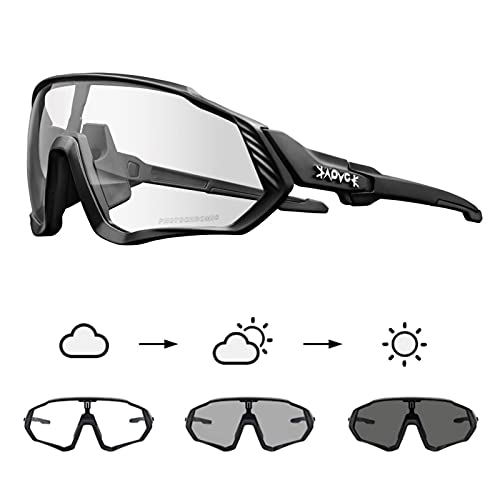
These cycling sunglasses feature photochromic lenses that shift from clear to dark gray in response to UV exposure, maintaining optimal brightness from 85% to 15%. This is ideal for riders transitioning between sun and shade. A built-in myopia frame allows prescription configuration without separate inserts, and the TR90 frame keeps the glasses lightweight and durable. UV400 protection blocks UVA and UVB rays, shielding eyes from wind, dust, and glare during long rides.
X-TIGER Polarized Cycling Glasses With Interchangeable Lenses

This model includes five interchangeable lenses designed for varied conditions: Yellow for night riding, Black polarized for strong glare, Revo lenses for brightness adjustment, and HD clear for cloudy days. The lower frame is removable or color-changeable, enabling a customizable look or a half-frame style. A TR90 frame with adjustable nose pads and a myopia frame option ensures comfort, stability, and compatibility with prescription lenses for prolonged rides.
ROCKBROS Photochromic Sports Sunglasses
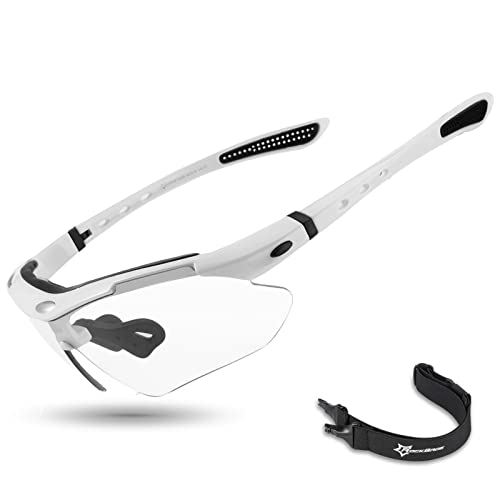
These glasses feature photochromic lenses that automatically adjust to changing light conditions, offering UV protection without switching glasses. The frame is lightweight yet durable, designed for extended wear during cycling, running, or other outdoor activities. A secure fit helps maintain stability during fast rides, while the anti-scratch, UV400-coated lenses provide reliable eye protection against harmful rays and debris.
KAPVOE Polarized Cycling Glasses With Lenses

This model includes four interchangeable lenses plus a polarized black option, delivering true color, glare reduction, and protection from UV rays. The lightweight TR90 frame weighs around 34g and comes with a myopia frame. The design focuses on rugged performance for cyclists who demand clarity in bright sun or variable conditions, while remaining adaptable to prescription needs.
ROCKBROS Polarized Sunglasses For Cycling

These cycling sunglasses provide multiple lenses and a 100% UV400 protection coating. They are designed to shield eyes from UVA/UVB rays while delivering a stable, lightweight frame suitable for riders who prefer a versatile pair for different outdoor activities, including riding, driving, and sports. The interchangeable lens system supports adapting to sunny, hazy, or cloudy conditions without sacrificing prescription compatibility in practice.
ROCKBROS Photochromic Sports Glasses
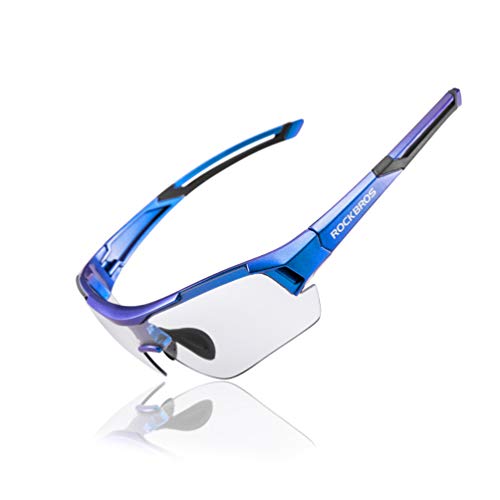
Another ROCKBROS option emphasizes photochromic technology with frameless construction for an unobstructed peripheral view. Weighing about 24g, these glasses prioritize lightness and comfort for long rides. The lenses offer UV400 protection, ensuring safety from UV rays, scratches, and debris while cycling in changing light conditions.
Buying Guide: Key Purchase Considerations
When selecting bike glasses that can accommodate prescription lenses, consider the following factors to ensure a durable, comfortable, and safe fit for your rides.
- Prescription compatibility: Verify that the frame supports Rx inserts or has an available myopia frame option. Check if the lens material and curvature will accommodate your prescription without distorting vision.
- Lens technology: Photochromic lenses adapt to light, while polarized lenses reduce glare from roads and water. Determine which type suits your riding environments (urban, mountain, or mixed).
- UV protection: Look for UV400 or higher to block UVA and UVB rays, protecting eyes during prolonged exposure.
- Frame material and weight: Lightweight TR90 or polycarbonate frames balance durability with comfort. Consider wraparound designs for enhanced peripheral vision.
- Interchangeable lenses: If you ride across various conditions, a model with multiple lenses can save time and reduce switching glasses.
- Fit and comfort: Adjustable nose pads, temple tips, and secure fit are essential for preventing glasses from slipping during activity.
- Durability and coverage: A shatter-resistant lens and protective coating help against debris, wind, and impacts, especially on rough terrain.
- Compatibility with accessories: Some models include a retention strap, carrying case, cleaning cloth, or headbands, which can improve stability and maintenance.
- Style vs function: While appearance matters, prioritize performance features for cycling safety and long-term use.
In practice, athletes should balance prescription needs with lens performance, weight, and budget. For prescription wearers, models offering myopia frames or Rx night-ride compatibility provide practical advantages. For those seeking minimal frame obstruction, frameless designs or highly wraparound configurations may offer superior field of view. Polarized options are beneficial on bright roads, while photochromic lenses excel in shifting environments like shaded trails or mixed weather. A modular, interchangeable lens system adds flexibility for all-season cycling.