Bike disc brake pads are a critical component for reliable stopping power, heat management, and long-term reliability on road, mountain, and electric bikes. This guide highlights five top-rated options designed for different riding styles and conditions. Each product features materials and designs that balance performance with wear resistance, aiming to deliver consistent braking without excessive noise or heat buildup. Review the selections below to find pads that fit your bike, riding terrain, and maintenance preferences.
Summary of chosen products
| Product | Material Type | Compatibility Focus | Highlights |
|---|---|---|---|
| AGPTEK Bike Brake Pads (Semi-Metallic & Resin) – 3 variants | Semi-Metallic & Resin; copper and Kevlar fibers | Shimano Deore, Tektro, TRP, many, including MT/MX lines | High heat tolerance; low noise; long wear life |
| BUCKLOS Disc Brake Pads | Resin and multi-material options | Shimano Zoom; Deore XT/XR; various Shimano line pads | Weather versatility; easy installation; wide compatibility |
| PACYTION 25 Pairs Kit | Copper fiber and resin (semi-metallic) | Multiple Tektro and Shimano models; great value | Low cost per pair; large pack; broad compatibility |
AGPTEK Semi-Metallic & Resin Pads For Mountain Bikes
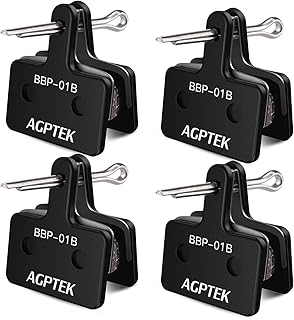
These AGPTEK brake pads are designed with a copper fiber and Kevlar mix to enhance heat dissipation and wear resistance. The semi-metallic composition supports strong stopping power while maintaining relatively quiet operation. Stainless steel shrapnel and pin improve rebound and reduce disc contact friction, contributing to a longer service life—often surpassing 3,500 kilometers in varied riding conditions. The pads are designed to withstand high temperatures up to 700 degrees, ensuring performance in dry, wet, or challenging terrain. They are compatible with a broad range of Shimano Deore and other major brands, making them a flexible option for many bikes.
Key features include: high-performance braking with reliable heat management; durability across diverse weather; secure design to minimize misfires or noises; straightforward replacement for common mountain bike setups. If your brakes exhibit sharp or abnormal sounds, inspect pad wear and replace as needed to maintain braking confidence.
AGPTEK Semi-Metallic Pads For TRP, Tektro, Shimano Deore
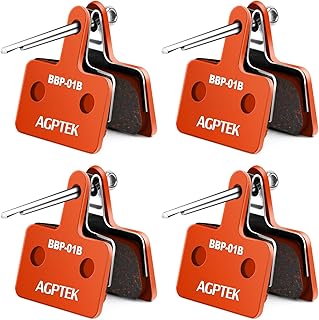
This AGPTEK set emphasizes premium materials that boost wear resistance and heat dissipation. The semi-metallic composition maintains strong braking performance, with stainless steel shrapnel and pins ensuring quick rebound and reduced friction between the pad and rotor. The pads are designed to perform well in dry or moist conditions and resist high temperatures up to 700 degrees, making them suitable for aggressive trail riding or demanding commutes. Compatibility extends across an assortment of Shimano Deore and other popular MTB groups, including TRP and Tektro variants.
Practical considerations include consistent bite across weather changes, resistance to noise, and a long service life under repeated braking events. Installation is straightforward for riders comfortable with standard caliper setups and pad replacements.
AGPTEK Resin & Brass Fiber Pads For Quiet, Clean Braking

The resin-based AGPTEK pads emphasize low noise and smooth braking. By combining brass fiber and resin, they deliver reliable heat management and reduced wear to rotors, which contributes to a quieter ride. The design features a secure mounting system with stainless steel shrapnel and pins that promote quick pad rebound and minimize disc contact. These pads hold up under high temperatures, maintaining strong stopping power in varied road conditions. They pair well with commuter bikes and entry-level mountain setups seeking a balance of quiet operation and dependable performance.
Riders should consider ride style and typical terrain when choosing resin pads, as their quieter performance is often complemented by excellent low-wear characteristics on city streets and light trails.
BUCKLOS Disc Brake Pads For Shimano Zoom And Deore

BUCKLOS offers an array of pad materials—from resin to semi-metal and beyond—designed to match different riding needs and climates. The product line emphasizes compatibility with Shimano and Zoom families, including common models like HB-875, XT, and M-series. The pads are easy to install, with a focus on reliable braking across dry and wet conditions. The resin and multi-material options cater to riders seeking options for quieter operation and lower rotor wear, while still delivering solid stopping power in mountain and road contexts. They provide a practical balance of performance, versatility, and user-friendliness.
When selecting BUCKLOS pads, consider the specific rotor compatibility and the riding environment to maximize performance and longevity of both pad and rotor assembly.
PACYTION 25 Pairs Kit: Value For Tektro And Shimano

This bulk kit from PACYTION provides 25 pairs of semi-metallic brake pads designed for broad compatibility with Tektro and Shimano disc brakes. The semi-metallic composition uses copper fiber and resin to offer solid heat dissipation, wear resistance, and reduced noise. The large quantity makes it an attractive option for shops, cycling clubs, and fleets seeking cost-effective maintenance supplies. The kit covers multiple models including MT200, M355, M446, M315, M365, MT400, MT500, M575, TX805, and many more, making it a versatile choice for multi-bike households or rental fleets.
Consider this option if you manage several bikes or want to stock up for routine pad replacements. The value proposition is the primary strength, with consistent performance across common MTB and commuter setups.
Buying Guide: Key Considerations For Bike Disc Brake Pads
- Material type: Semi-metallic pads typically offer strong stopping power and good heat management, but may produce more rotor wear and noise than resin pads. Resin or brass-based pads tend to run quieter and are gentler on rotors, often ideal for city riding and light trails.
- Heat tolerance: Pay attention to temperature ratings. Pads designed for high heat (e.g., up to 700 degrees) perform better under aggressive or sustained braking and steep descents.
- Riding conditions: Weather and terrain influence pad choice. Wet, muddy, or dusty conditions may benefit from materials with better moisture resistance and stable friction profiles.
- Compatibility: Confirm rotor diameter, caliper model, and brand compatibility (Shimano, Tektro, TRP, etc.). Some pads fit a wide range of models, while others are model-specific.
- Noise and rotor wear: Resin-based pads generally run quieter and reduce rotor wear, but may wear faster on steep mountains. Semi-metallic options provide stronger bite but can be noisier on light braking.
- Installation and maintenance: Easy-to-install pads reduce time in the workshop. Regular inspection of pad thickness and rotor condition helps prevent rotor damage and maintains braking performance.
- Value and availability: Bulk kits offer cost efficiency for fleets or frequent replacements, while single sets suit casual riders who replace pads periodically.
In selecting the right pads, balance cost, maintenance frequency, riding style, and compatibility. For mountain biking and aggressive riding, higher heat tolerance and robust stopping power are key. For urban commuting and casual rides, quieter resin options with rotor-friendly wear patterns may be preferred. Always replace pads before they wear down to the minimum thickness to preserve rotor integrity and braking reliability.