Choosing the right bike for a 6-year-old involves balancing growth, safety, and fun. This guide highlights five well-suited options that fit children around a typical 6-year-old’s height and riding ability, with features like training wheels, protective chain guards, and reliable braking systems. Each product below includes a quick look at its strengths to help parents compare at a glance.
- Table: Selected bikes at a glance
Product Wheel Size Braking Notable Safety Growth Features Cubsala Kids BMX Style Bike (12-18 Inch) 12-18 in Coaster brake Training wheels, half chain guard Adjustable seat; durable frame WEIZE Kids Bike (14-20 Inch) 14-20 in Coaster brake Full chain guard Growth-friendly sizing Bicystar Training Wheels BMX Bike 16 Inch Coaster brake Full chain guard Adjustable seat/handlebars
Note: Sizes and features vary by model. Always verify rider inseam and reach to ensure safe ground contact and comfortable control before purchasing.
Cubsala 12-18 Inch Kids BMX Bike With Training Wheels

The Cubsala Kids BMX-style bicycle is designed for beginner riders ages roughly 2-10, with a range of 12 to 18 inches to accommodate growth. It includes training wheels to assist balance and an adjustable seat so the bike can grow with your child. The frame is built from high-tensile carbon steel, providing durability and stability on varied surfaces, backed by a limited lifetime warranty. A child-safe braking system combines a coaster brake with a rear V-brake, plus a half chain guard to reduce clothing snag risk. Wide tires improve traction and stability on slick surfaces.
Key considerations: Select the correct wheel size to align with your child’s height and inseam. Training wheels can be a transitional aid, but consider how quickly your child may transition to two wheels. Safety features like the chain guard and broad tires contribute to confident riding in typical neighborhood settings.
WEIZE Kids Bike 14-20 Inch: Beginner Friendly
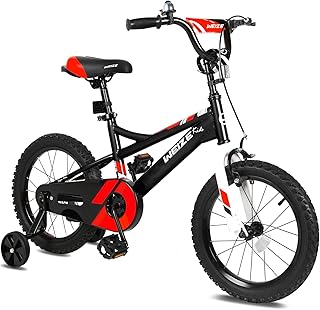
The WEIZE Kids Bike is designed for children ages roughly 3-12, with 14 to 20 inch wheel options and a height range that fits rider heights of about 32 to 60 inches. A key feature is its beginner-oriented geometry—smaller grips and a lighter frame make pedaling easier for new riders. The bike uses a simple handbrake system positioned for little hands and a full-coverage chain guard to protect fingers, clothing, and toes. The bike’s setup emphasizes safety and ease of use, promoting a smoother learning curve for first-time riders.
Key considerations: Ensure you measure your child’s inseam to match the appropriate wheel size and saddle height. If confidence with brakes is still developing, a coaster brake can provide familiar, low-effort stopping. A full chain guard reduces the risk of clothing tangling during learning days.
Cubsala 12-18 Inch BMX Bike With Training Wheels (Redesign)
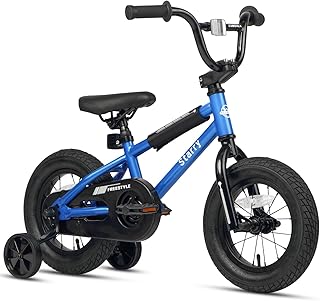
This model mirrors the first Cubsala option in design and safety emphasis, featuring a sturdy high-tensile carbon steel frame, a basic but reliable coaster brake, a full chain guard, and an adjustable seat for growth. The included training wheels help beginners find balance, and wide tires offer stable traction on common riding surfaces. The dual-strength frame and safety-focused features make it a solid choice for first-time riders transitioning to two wheels.
Key considerations: If your child torques the handlebars with growing confidence, confirm the seat and handlebar adjustments can accommodate continuing growth. The balance of training wheels with gradual removal time should be planned to avoid rider frustration.
Bicystar Training Wheels BMX Bike 16-Inch

Designed for toddlers and early learners, the Bicystar 16-inch BMX bicycle emphasizes a lively aesthetic with the “DAWN DASHER” design. It features an adjustable seat height and quick-release handlebars to tailor the fit as your child grows. The bike includes a dependable coaster brake and a full chain guard to minimize the risk of clothing or body parts getting caught. The bike aims to balance learning safety with engaging design to encourage ongoing riding confidence.
Key considerations: Quick-release adjustments enable rapid changes to seat and handlebar height, making mid-season growth easier. A bright, attention-grabbing color and design can improve motivation to ride regularly, which supports skill development and balance.
WEIZE Kids Bike 16 Inch for Young Riders

The WEIZE 16-inch option is part of the same family as the 14-20 inch line, with a focus on beginner-friendly geometry and safety features. It includes a straightforward handbrake for children still mastering braking, plus a full-coverage chain guard to protect young riders from pinch points and clothing. The proportional design supports easier handling and more controlled steering as new riders learn balance and coordination.
Key considerations: Consistency across WEIZE models helps families with multiple children find a similar riding experience. Double-check compatibility with your child’s inseam to ensure the seating height supports both safe ground clearance and pedal control.
Buying Guide: Key Purchase Considerations And Comparisons
Riding readiness and safety are the top priorities when selecting a bike for a 6-year-old. Below are essential factors to weigh across options:
- Wheel size and rider height: Typical 6-year-olds fit 14-20 inch bikes, but inseam measurements are more reliable than age alone. Ground reach should allow flat-footed stopping at rest and safe mounting/dismounting.
- Braking system: Coaster brakes are common on beginner bikes and require pedal backward motion to slow. Handbrakes are easier to modulate as finger strength develops but may require supervision during early learning.
- Safety features: Full or partial chain guards, training wheels, wide tires, and a sturdy frame all contribute to safer, more confident riding experiences.
- Grow-with-me design: Adjustable seat height and occasionally adjustable handlebars extend a bike’s usefulness as your child grows, delaying the need for a larger bike.
- Weight and material: Lighter frames reduce fatigue during learning sessions, while durable materials resist rough handling on sidewalks and parks.
- Maintenance and assembly: Simpler setups with fewer components might reduce setup time and ongoing maintenance. Inspect brake cables, gears (if present), and tire tread regularly.
Potential trade-offs include choosing between training wheels for initial stability versus a faster path to two-wheel mastery, or selecting a design emphasizing vivid aesthetics versus minimalistic practicality. The best option aligns with your child’s current skill level, growth expectations, and typical riding environments.