Embarking on triathlons as a beginner means choosing a bike that balances speed, stability, and comfort. The following bikes are suitable for new triathletes or riders expanding into longer rides, offering lightweight frames, reliable gearing, and dependable braking. This article highlights five bikes that fit the beginner-to-intermediate transition well, with practical features for training, gravel, and pavement. Each option includes a quick overview to help you compare at a glance and decide which model aligns with your goals.
| Product | Brand |
|---|---|
| HILAND 700C Road Bike, 14 Speeds | HH HILAND Store |
| Tommaso Monza Sport Bike | Tommaso Store |
| 20 24 26 Inch BMX Race Bike Trident | cubsala Store |
| Tommaso Forcella Sport Bike | Tommaso Store |
| Schwinn Phocus 1.6 Disc | Schwinn |
Note: Bikes listed here are suitable for beginner triathletes and general road cycling. Always ensure proper fit, safe setup, and professional assembly when required to maintain warranties and achieve optimal performance.
HILAND 700C Road Bike: Lightweight Aluminum Frame
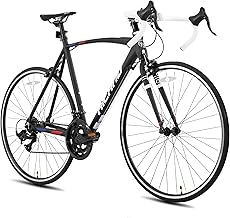
The HILAND 700C road bike is designed to deliver a balance of light weight and dependable performance for new triathletes. Its aluminum frame is stiff and durable, helping riders accelerate efficiently while maintaining stability on varied surfaces. A 14-speed derailleur system allows for adaptable gearing across climbs and flats, supporting endurance training and hilly routes common in triathlon prep. The dual caliper braking system provides confident stopping power with lighter maintenance needs compared to disc brakes, which can be advantageous for beginners learning control and tempo during brick workouts.
Key features include a lightweight frame suitable for daily training, easy-to-maintain brakes, and a versatile 14-speed drivetrain that offers a broad gear range for mixed terrain. Proper sizing and professional tuning are recommended to maximize the bike’s performance and comfort during longer sessions.
Tommaso Monza Sport Bike: Tiagra 2×10 Performance

The Tommaso Monza offers a performance-focused aluminum road bike designed for riders who are transitioning from beginner into more serious training. With a 2×10 Shimano Tiagra drivetrain, it delivers wide gearing for speed on flats and confident climbing in hills. A carbon fork helps dampen road vibrations, contributing to comfort on longer workouts. Tommaso emphasizes community support and a warranty framework, which can be reassuring for riders building consistency in triathlon training. Note that assembly may be required to validate warranties, so consider professional setup for optimal shifting and frame alignment.
Highlights include fast shifting, a broad gear range for varied terrain, and a design that blends aerodynamics with everyday rideability. This bike suits athletes who plan a gradual increase in intensity and distance as they prepare for triathlon events.
20 24 26 Inch BMX Race Bike Trident: Beginners To Advanced

Although marketed as a BMX model, the Trident line offers a Hi-Ten steel frame that prioritizes versatility and solid performance for riders at multiple levels, including beginners. The bike features a linear pull rear brake for reliable speed control and low maintenance, which can be beneficial during technique-focused triathlon training sessions where braking precision matters. It arrives 85% pre-assembled and includes required assembly tools and pedals, making setup more straightforward for newcomers.
For triathlon prep, this option provides a stable and approachable platform to learn handling, braking, and cadence before transitioning to more specialized road geometry. Its simplicity can suit athletes who value ease of maintenance while building foundational cycling skills.
Tommaso Forcella Sport Bike: Claris 24 Speeds

The Tommaso Forcella is positioned as a performance-oriented option that remains accessible to serious beginners and developing racers. It features a carbon fiber fork and a 3×8 Shimano Claris drivetrain, offering a wide gear range for climbing and flat work alike. The brand emphasizes a supportive community and a warranty process, but also notes that all bikes arrive un-tuned and may require professional assembly to validate warranties and ensure optimal performance. The Forcella targets riders who want a step up in performance as they progress through triathlon training, especially on hilly routes or longer rides.
Key benefits include a robust gearing setup, a ride quality that supports longer training sessions, and a design that blends entry-level affordability with higher-end componentry. A professional tune-up before first rides is advised to maximize shifting and braking efficiency.
Schwinn Phocus 1.6 Disc: Lightweight Road Bike

The Schwinn Phocus 1.6 Disc is designed for riders seeking efficiency, precision, and control. With a lightweight aluminum frame and a rigid alloy fork, the bike supports agile handling and quick accelerations—qualities beneficial for triathlon training and race pace workouts. A microSHIFT 14-speed setup provides smooth gear changes, while disc brakes deliver confident stopping power in varied conditions. The aerodynamic riding position and comfort-focused design help maintain form over longer distances, making it a solid choice for beginners transitioning to longer workouts or sprint triathlons.
Important considerations include ensuring proper fit across frame sizes, verifying compatibility with a triathlon-specific aero setup, and accounting for maintenance needs associated with disc brakes and carbon components on some builds. A professional fitting can optimize power transfer and aerodynamics for best performance.
Buying Guide: Key Considerations For Triathlon Beginners
- Bike fit and frame geometry: A proper size and geometry reduce fatigue and improve efficiency during long rides. Look for endurance-oriented geometry with comfortable reach and rider position.
- Drivetrain complexity: Beginners benefit from a wide gearing range for hills and flats. Consider 2x or 3x setups with reliable shifting, and plan for future upgrades as stamina improves.
- Braking system: Disc brakes offer strong, consistent stopping power in varied conditions, while caliper brakes are lighter and simpler to maintain. For hot-weather or high-speed bricking, discs can be advantageous.
- Weight and stiffness: A lightweight frame aids acceleration and climbing but should not compromise comfort. Balancing stiffness with a compliant ride helps sustain longer training sessions.
- Assembly and warranty: Some bikes ship un-tuned; professional tuning ensures accurate shifting and safe operation. Warranty terms often require assembly by a qualified technician.
- Maintenance readiness: Beginners should consider bikes with readily available parts and established service networks, ensuring easy upgrades and repairs as training loads increase.
- Future upgrade path: Choose a frame and groupset that can accommodate future improvements, such as better wheels, an aero bar setup, or upgraded brakes, to extend your training roadmap.
- Ride feel versus aerodynamics: For triathlon training, you may prioritize a comfortable ride for longer sessions and steadier power output over pure top-end speed.
In summary, the right bike for a triathlon beginner combines a supportive fit, a versatile gearing system, and dependable braking. Consider starting with a model that offers a balanced ride and clear upgrade potential, and arrange a professional build or fitting to maximize your training outcomes and safety.