Finding the right first bicycle for a 3-year-old boy involves safety, grow-with-them design, and ease of use. Below are five top-rated options that emphasize stability, adjustable features, and kid-friendly braking and training wheels. Each choice is suitable for ages roughly 2–5, helping children build confidence as they learn balance, steering, and coordination.
| Product | Brand | Best For | Key Benefit |
|---|---|---|---|
| KRIDDO Kids Tricycle | KRIDDO | 2–4 years | Improved roll-over prevention and comfortable seat |
| JOYSTAR 12 Inch Kids Bike | JOYSTAR | 2–4 years | Stable training wheels and adjustable height |
| RoyalBaby Freestyle 12″ Bike | RoyalBaby | 3–4 years | Front brake with rear coaster brake and wide tires |
| COSTWAY 12″ Kids Bike | COSTWAY | 3–4/4–7 years | Dual brake system and fully enclosed chain guard |
| KRIDDO Balance Bike | KRIDDO | 2–5 years | Balance-focused training with customizable plate |
KRIDDO Kids Tricycle For Toddlers

Designed for toddlers aged 24–48 months, this KRIDDO tricycle focuses on developing steering skills and coordination early. The ergonomic seat and non-slip grips offer comfort as little riders explore. An extended rear wheelbase improves stability, helping to prevent tipping during the learning phase. The trike is lightweight for easy carrying, making it suitable for quick trips to the park or backyard practice. Parents should note the product emphasizes a gradual introduction to pedaling and steering rather than complex gear systems.
JOYSTAR 12 Inch Kids Bike With Training Wheels

This 12-inch JOYSTAR bike is crafted for early riders with stable training wheels and a quick-release seat for easy height adjustments. A single-speed drivetrain reduces maintenance, while a durable steel frame withstands learning bumps. The bike includes a chain guard for safety and a DIY decal kit to personalize the ride. It’s well-suited for 2–4 year olds transitioning from strollers or balance bikes to pedal-powered riding and steering confidence.
RoyalBaby Freestyle 12 Inch Bike

RoyalBaby’s 12-inch bicycle is designed for beginners ages 3–4, featuring easy assembly and dual braking with a front caliper and rear coaster brake for added safety. Wide pneumatic tires improve balance and stability, while a sturdy steel frame supports growing riders. The bike emphasizes safety tools like a chain guard and secure grips, making it a practical option for first-time cyclists who are still mastering braking and steering.
COSTWAY 12 Inch Kids Bike

COSTWAY offers a 12-inch bike with a dual-brake system (hand brake and coaster brake), a full chain guard, and detachable training wheels. This setup is ideal for young riders learning to coordinate braking and pedaling. The adjustable handlebars and seat grow with a child, helping maintain proper riding posture as heights vary. Four size options cover a range of early childhood ages, and the bike’s CPSIA-certified safe design emphasizes protective features and ease of use for beginners.
KRIDDO Toddler Balance Bike
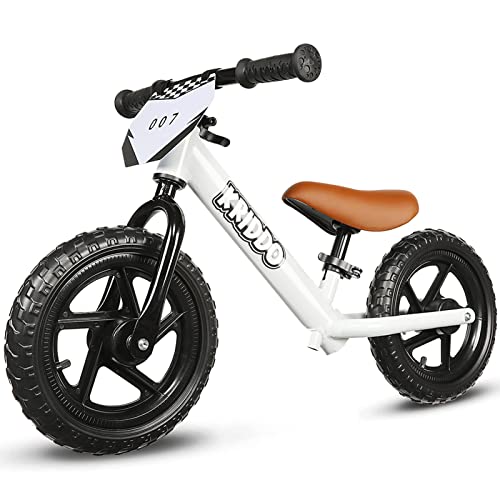
KRIDDO’s balance bike invites 2–5 year-olds to push, stand, and glide, building balance and spatial awareness without pedals. The removable customizable plate lets kids personalize their ride with stickers. A wide carbon-steel frame supports up to 110 lbs for longevity, and soft grips and a comfortable seat enhance safety and comfort during early riding sessions. This option focuses on balance as a foundational skill before pedaling becomes essential.
Buying Guide: Key Purchase Considerations and Comparisons
Choosing the right bicycle or tricycle for a 3-year-old involves balancing safety, growth potential, and enjoyment. Consider the following factors to compare options:
- Size and Fit: Check wheel size (12 inches is common for ages 2–4) and rider height versus saddle height. Ensure the child can touch the ground with feet for stability.
- Brakes: For younger riders, hand brakes may be challenging. A coaster brake or a dual brake system can be safer and easier to manage.
- Stability: Training wheels, wider wheelbases, and lower standover height reduce the risk of tipping and cranky falls during learning.
- Adjustability: Height-adjustable seats and handlebars extend the usable life of the bike as the child grows.
- Weight: Lighter frames are easier for a child to maneuver and a parent to transport.
- Safety Features: Chain guards, soft grips, and enclosed chains protect little fingers and clothing.
- Learning Path: Balance bikes emphasize balance first, then pedaling; trikes and bikes with pedals can build confidence in steering and coordination.
- Durability and Warranty: Look for sturdy frames and warranties that cover typical wear from learning accidents.
From a safety and growth perspective, a balance bike is a good option for later transition to pedals, while a tricycle or a bike with training wheels offers immediate pedal-based riding. Parents should align the choice with the child’s current skill, interest, and comfort level, ensuring supervision during practice sessions and gradually increasing riding time as confidence grows.