Choosing the right transition from balance bike to a pedal bike helps kids gain confidence while developing balance, coordination, and motor skills. This guide compares popular 2-in-1 options, highlighting adjustable components, safety features, and quick conversion steps. Explore how each model supports growth, fits small spaces, and promotes independent riding as children age and try new challenges.
| Product | Key Benefit | Why It Stands Out |
|---|---|---|
| Balance Bike 2 in 1 for Kids 2-7 | Fast conversion between modes | Patented design, quick 60-second switch, strong safety features |
| RoyalBaby Freestyle Classic & EZ Balance | 2-in-1 with effortless switch | Lightweight frame, tool-free adjustments, 98% pre-assembled |
| Balance Bike 2 in 1 by bikeboy Store | Dual-use from balance to pedal | Quick conversions, promotes balance and muscle development |
| SEREED Toddler Balance Bike | No-pedal early learning | Tool-free adjustments, personalized stickers |
| Strider 14x Easy-Ride Pedal Kit | Easy pedal conversion | Includes chain guard, safety features, simple assembly |
The following sections profile each option, focusing on conversion ease, safety, adjustability, and long-term value. Each product is designed to support progression from balance to pedal riding, while minimizing setup time for busy families.
Balance Bike 2 in 1 For Kids 2-7 Years
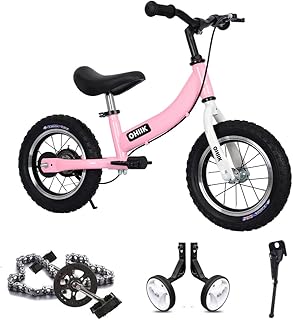
This 2-in-1 bike converts between a balance bike and a pedals-equipped bicycle in about 60 seconds. The design supports kids over six years old to complete the switch comfortably, enabling a smooth transition from balancing to pedaling. The frame is built to be durable yet lightweight, with a safe rear holding brake and a responsive hand brake for reliable stopping. Pneumatic tires provide traction and a cushioned ride, helping children stay confident on varied surfaces.
The adjustable seat and handlebars ensure growth alignment, with tool-free adjustments to find the most comfortable riding position. This model emphasizes safety with a robust high-carbon steel frame and a design that minimizes space usage at home. The balance mode stimulates athletic talent and balance, while the pedal mode with training wheels speeds up learning to ride a bike confidently.
RoyalBaby Freestyle Classic & EZ Balance Pedal Switchable Bicycle

RoyalBaby’s EZ bike offers two distinct modes: a beginner-friendly balance setup and a seamless pedal transition. The bike is designed with optimized weight and geometry to support proper riding posture. Its frame is lighter than average, improving handling and confidence for young riders. A lower frame position and height-adjustable saddle and handlebar foster stability, enabling even younger toddlers to have feet reach the ground when needed.
Assembly is designed to be hassle-free, with 98% pre-assembled components. The patent-pending cranks and footrest feature a tool-free quick-release design, making the switch between modes straightforward. The EZ kit supports a gradual introduction to pedaling, reducing fear and encouraging steady progress toward independent riding.
Balance Bike 2 in 1 From Bikeboy Store

This dual-use bike quickly shifts between a balance bike and a kids bicycle in about 50 seconds. The design emphasizes dual-use practicality, letting two children or the same child adapt to different phases of learning. The balance mode supports balance and coordination, while the pedal mode fosters motor skills and confidence as kids learn to ride with pedals.
Key benefits include a sturdy dual-purpose frame, a safe learning curve for transitioning to pedals, and a design that aids muscle development in hands, arms, and legs. The product stresses how the balance-to-pedal process helps overcome fear and accelerates skill acquisition, positioning it as a strong long-term option for growing riders.
SEREED Toddler Balance Bike 2 Year Old

Designed for early balance development, this no-pedal bike is ideal for children aged 2–5. A carbon steel frame supports up to 110 pounds, and the design includes a safety footrest, rubber grips, and a soft saddle. The seat and handlebar heights are adjustable without tools, ensuring a comfortable fit as your child grows.
Parents can personalize the bike with a bonus plate and stickers, turning balance practice into a fun activity. The no-pedal approach helps kids learn steering and balance first, creating a stable foundation before introducing pedals. The product emphasizes safety while supporting gradual progression toward pedal riding.
Strider 14x Easy-Ride Pedal Kit

This kit converts a 14x balance bike into a pedal bike with ease. The installation is straightforward, and Strider provides the necessary wrench. The pedals are designed to accommodate a child’s smaller feet, enabling a natural transition from balancing to pedaling. A chain guard is included to protect against accidents, and a coaster brake system supports simple, controlled stopping, which helps children learn safe riding habits.
Once installed, riders can choose to “stride” around the pedals before committing to full pedaling motion. The kit emphasizes safety and ease of use, making it a practical upgrade for families who already own a Strider or similar balance bike in the 14x size range.
Buying Guide: Key Purchase Considerations And Comparisons
Purpose and age range: Select a model designed to grow with your child, offering easy transitions from balance to pedal modes and adjustable components to accommodate height increases.
Conversion speed and tools: Prioritize bikes that convert quickly and require minimal or no tools. Quick-release features or tool-free adjustments reduce setup time and frustration for both kids and caregivers.
Safety features: Look for sturdy frames, reliable braking systems, and protective elements like chain guards and wide tires for stability on various surfaces. A safe transition reduces fear and supports confidence-building during learning.
Weight, geometry, and fit: A lighter frame improves handling and control. Proper geometry, with a lower standover height and adjustable saddle/handlebar, helps kids reach the ground and balance confidently, especially in early stages.
Assembly and maintenance: Consider bikes that come with minimal assembly and durable parts. Quick maintenance and readily available replacement components extend the bike’s useful life.
Learning trajectory: Favor models that clearly support progression—starting with balance, then adding pedals, and eventually enabling independent riding with stable braking and steering control.
Space and storage: Two-in-one designs reduce space requirements, which is valuable for homes with limited storage. Compact frames and foldable or easily stowed components help make the bikes more practical long-term.
Brand and warranty: Reputable brands with responsive support and warranties provide peace of mind, especially when questions about adjustments or replacements arise.