When you’re out on two wheels, a reliable bike backpack is essential for hydration, gear, and emergency storage. The following selections are among the best-rated options for MTB, road cycling, and everyday biking. Each pack emphasizes a secure fit, breathable materials, and hydration compatibility to keep you moving comfortably on trails and city streets alike.
| Product | Brand | Capacity | Highlight |
|---|---|---|---|
| Arvano Bike Backpack Small Mountain Biking Backpack | Arvano | 2.0 L hydration (not included) | Slim, secure fit with reflective strips |
| MARCHWAY Tactical Hydration Pack | MARCHWAY | 3 L hydration bladder | 3 adjustable straps, MOLLE system |
| NOOLA Hydration Backpack | NOOLA | 3 L hydration bladder | 9 pockets, BPA-free bladder |
| WINDCHASER Cycling Backpack (10 L) | WINDCHASER | 2 L water reservoir compatible | Waterproof, breathable, versatile |
| ROYAL MOUNTAIN Bike Backpack With Rain-Cover | ROYAL MOUNTAIN | 1.5–2.0 L hydration possible | Rain cover included, foldable bag |
These five options cover a range of capacities, hydration compatibility, and ergonomic features, helping riders choose the best balance of lightweight portability and on-demand water access. Below, you’ll find detailed product sections with key specifications, fit considerations, and what to look for when comparing packs for bike riding.
Arvano Bike Backpack Small Mountain Biking Backpack
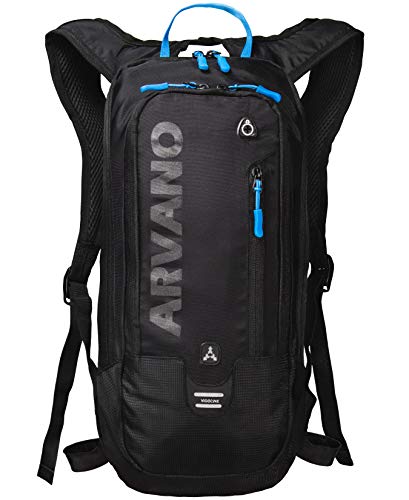
This slim, lightweight backpack from Arvano focuses on a secure riding fit. It measures 18″ x 8.6″ x 2″ and weighs about 1.1 lb, making it easy to carry without bulk. It supports a hydration bladder up to 2.0 L (70 oz), though the reservoir is not bundled. Adjustable shoulder, chest, and waist straps help keep the pack stable on rough terrain, so it won’t bounce during MTB sessions. Reflective strips enhance visibility in low-light riding conditions. The ergonomic design aims to keep your back dry with a padded back panel and straps, making it suitable for road, mountain, and other outdoor activities.
ArcEnCiel 15L Tactical Backpack

ArcEnCiel’s 15L tactical backpack emphasizes durability with high-density nylon and water splash resistance. It includes a MOLLE system for attaching extra pouches and gear, plus a dedicated patch area for personalization. It’s designed to carry a 13.3-inch laptop along with books and everyday essentials. While not the largest option, its rugged construction and modular design make it a versatile choice for bike rides that mix commuting, hiking, and light camping.
MARCHWAY Tactical Molle Hydration Pack

Designed with cycling, hiking, and endurance activities in mind, this MARCHWAY pack offers a 3L hydration reservoir option and a streamlined profile. It measures roughly 19.7” x 8.7” x 2.6” and uses a low-bounce three-strap system. The back and shoulders are cushioned with soft air mesh for airflow, helping keep you cool on warm days. The pack’s 1000 Denier nylon provides durability, while the MOLLE system supports extra pouches, wallets, towels, or small tools for longer rides or mixed outdoor adventures. The design prioritizes secure storage for gear and hydration on the go.
ANMEILU Outdoor Cycling Backpack

ANMEILU’s 18L backpack is designed for versatility across cycling, camping, hiking, and trekking. It features a hidden helmet net for storing a bicycle helmet and a water bag system with a default hydration setup that accommodates up to 2L of water. Reflective strips improve night visibility, while mesh-backed EVA padding and ventilated shoulder straps provide comfort over long rides. An internal organization scheme keeps bladder, clothes, towels, snacks, and keys neatly arranged for quick access on the trail.
NOOLA Hydration Backpack

The NOOLA hydration pack emphasizes a robust organizational layout with nine pockets and a BPA-free 3L TPU bladder. The design integrates a MOLLE-compatible system for modular additions like pouches and water bottle bags. Its rugged 900D nylon ensures abrasion resistance, while the compartmentalized layout helps keep items such as bladders, clothing, snacks, and electronics readily accessible. The hydration system is highlighted as odor-free, supporting longer rides with reliable water supply and easy access during biking, hiking, or climbing activities.
WINDCHASER Cycling Backpack
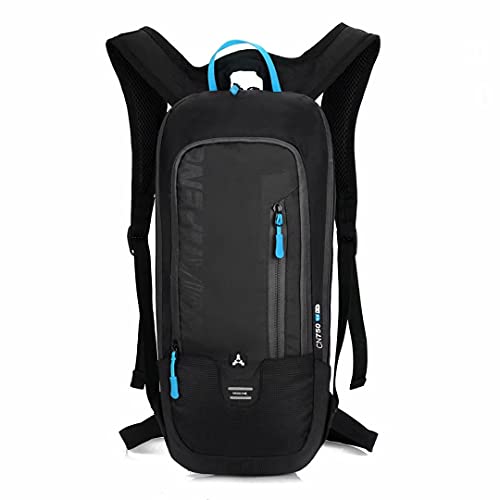
The WINDCHASER 10L cycling backpack is built from waterproof, tear-resistant nylon. It supports a 2-liter water reservoir and offers adjustable shoulder and waist straps suited to both men and women. The pack emphasizes a sporty, lightweight aesthetic while delivering practical storage for biking, running, and outdoor activities. Its breathable and compact design makes it ideal for everyday rides or longer workouts, ensuring comfort without adding excess bulk.
Buying Guide: Key Purchase Considerations
When selecting a backpack for bike riding, consider the following factors to ensure a good match for your riding style and terrain:
- Hydration compatibility: Choose a pack with a hydration bladder capacity that matches your typical ride length and climate. Look for BPA-free, odor-free bladders for safety and comfort.
- Fit and stability: A good cycling pack should have adjustable shoulder, chest, and waist straps to reduce bounce. Padded back panels and breathable mesh improve comfort on long rides.
- Storage layout: Prioritize packs with a dedicated helmet net, MOLLE system, or modular pockets for quick access to tools, snacks, and a phone. A separate laptop sleeve is beneficial for urban commuting.
- Weather resistance: Waterproof or water-repellent materials protect gear in rain or splashes. A built-in rain cover is a bonus feature that adds protection.
- Durability: Look for heavy-duty nylon or reinforced fabric with durable zippers and buckles to withstand outdoor use and frequent rides.
- Size and capacity: Balance the need for extra gear with weight and bulk. For daily rides, 5–10 L is common; for longer trips or MTB days, 15 L or more may be preferable.
- Ventilation: A breathable back panel and lightweight construction help reduce heat buildup during intense cycling.
- Accessibility: Consider side pockets for water bottles and a bottom zipper or compressible design for easy access to essentials during a ride.
In practice, choose a model that aligns with your typical cycling environment—urban commutes may benefit from a compact 5–10 L pack with quick-access pockets, while mountain biking and longer excursions may justify a 15 L or larger pack with modular accessories and robust moisture management.