Finding an all-rounder road bike means seeking versatility, comfort, and reliable performance across city streets, suburban lanes, and light gravel. The following selections emphasize adaptable geometry, solid braking, and balanced components that suit a wide range of riders. This guide highlights five bikes and related gear that together form a practical, single-vehicle solution for commuting, weekend rides, and evolving skills. Use the summary table to quickly compare core attributes before diving into each detailed profile.
| Product | Type | Notable Feature | Wheel Size | Brakes |
|---|---|---|---|---|
| WEIZE Road Bike (700C) | Road/City Bike | Dual caliper brakes, 14-speed gearing | 700C | Caliper |
| Omelaza Road Bikes | Road Bike | Ergonomic comfort design, 21 speeds | 700C | Disk + C-brakes |
| AVASTA 700C Road Hybrid | Hybrid/Commuter | 21-speed Shimano EF500, mounting versatility | 700C | Dual Disc/Caliper |
| SAVADECK A7L Carbon Road Bike | Carbon Road Bike | Lightweight T800 carbon frame, 24 speeds | 700C | Hydraulic Disc |
| SAVADECK Carbon Fiber Road Bike | Carbon Road Bike | Full carbon build, R7120 2×12 | 700C | Hydraulic Disc |
WEIZE Road Bike: Comfort, Speed, and City Versatility

The WEIZE Road Bike is designed for daily riding and weekend explorations with a practical balance of weight, durability, and performance. Its caliper braking system offers straightforward maintenance and dependable stopping power in varied weather, making it suitable for urban commutes and light touring. The 700C wheels with 28C tires help reduce rolling resistance while offering comfort over rough pavement. A high-carbon steel frame contributes to a stable ride, and the overall geometry is aimed at a comfortable, upright posture for longer, relaxed cruises. This bike targets riders who want a dependable, all-purpose machine without specialized components.
Key considerations for this model include brake responsiveness, frame material, and wheel-tire combination. While disc brakes provide strong stopping power in aggressive riding, the lighter caliper setup reduces weight and simplifies maintenance—an advantage for city dwellers who perform routine roadside adjustments. The 14-speed gearing is adequate for urban hills and flat commutes, though riders chasing aggressive climbs might later consider upgrades. Overall, the WEIZE bike suits beginners through casual riders seeking tangible versatility and value in an all-rounder road bike.
Omelaza Road Bikes: Comfortable, Reliable All-Rounder

The Omelaza road bike emphasizes an ergonomic riding position and a comfortable cockpit, designed for longer rides and daily commutes alike. With a soft, cushioned saddle and thoughtfully shaped handlebars, riders can sustain extended sessions without undue fatigue. The bike incorporates a 21-speed setup and disc brakes alongside traditional braking components, offering reliable stopping power across varied surfaces and weather. This blend of comfort and performance makes it a versatile choice for riders who want a dependable platform for fitness, commuting, and weekend adventures.
From a maintenance perspective, the dual braking configuration provides flexible options for upgrades or adjustments, which is appealing for riders who like to fine-tune braking response. The 700C wheels help navigate typical city potholes, while the steel frame is praised for durability and a forgiving ride. The Omelaza model targets riders seeking a trustworthy, all-rounder road bike with comfortable geometry and practical gearing for mixed terrain riding.
AVASTA 700C Road Hybrid: Versatile and Ready to Customize

The AVASTA model combines a lightweight, durable aluminum frame with a 21-speed Shimano EF500 gearing system. This setup supports a broad range of riding conditions, from city streets to gentle gravel paths. Its multiple mounting points allow riders to add accessories like water bottles, fenders, or a rear rack—an important feature for commuters who need practical cargo solutions. The dual-disc braking configuration provides consistent stopping power in various weather scenarios, while the overall geometry prioritizes comfortable handling and everyday reliability.
For buyers evaluating all-rounder capabilities, the AVASTA bike represents a practical middle ground: robust enough for mixed surfaces, with enough gear range and customization points to grow with a rider’s needs. It’s especially appealing to riders who want a single bike that can support daily errands, weekend rides, and light touring with minimal friction.
SAVADECK A7L Carbon Road Bike: Performance Without Compromise

The SAVADECK A7L carbon road bike packs a high-performance carbon frame and a 24-speed groupset into a lightweight package. The T800 carbon frame, fork, and wheelset work in concert to minimize vibration while keeping the overall weight low, which helps with acceleration, climbing, and sprinting. Hydraulic disc brakes deliver strong, controlled stopping power across road conditions, enhancing rider confidence. The carbon components also contribute to a streamlined ride with improved aerodynamics and a comfortable feel on longer distances. This model targets riders who want a capable all-rounder with a focus on efficiency and race-ready performance.
Riders should note the importance of fit when choosing a carbon frame. Frame size, seat-tube length, and reach will influence comfort on longer rides. The A7L’s robust braking system and precise shifting are designed for riders who push for higher speeds or want a bike capable of handling more challenging terrain. It’s a compelling option for those seeking a strong balance between everyday usability and sport-oriented performance.
SAVADECK Carbon Fiber Road Bike: Ultralight, Hydraulic Brakes
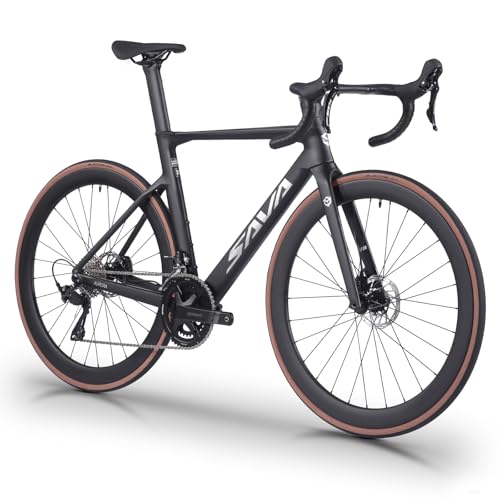
The carbon fiber road bike from SAVADECK emphasizes a full carbon build, including a carbon frame, fork, and wheelset. Weighing under 20 pounds, this design aims to optimize stiffness and acceleration while dampening road vibrations for comfort over longer distances. The hydraulic disc braking system supports controlled, high-precision stopping power, particularly during fast descents or in wet conditions. A 24-speed drivetrain ensures ample gearing for climbing and sustained cruising, making this model suitable for riders who want a lightweight, performance-focused all-rounder that remains practical for daily use.
Potential buyers should consider compatibility with accessories and service availability in their area, as carbon frames can be more sensitive to certain maintenance practices. The combination of light weight, strong braking, and a high-end groupset positions this bike as a premium option for riders seeking efficiency and speed on a versatile platform that performs well on road rides and light competitive events.
woom Explore 5: A Child-Sized All-Rounder

The woom Explore 5 is designed for kids aged 7–11, offering 24-inch wheels, eight gears, and kid-focused geometry. This bike mirrors the concept of an all-rounder by balancing light weight, precise shifting, and capable braking with a geometry that encourages confident riding on a variety of surfaces. Disc brakes provide dependable stopping power, while the compact shifter is tailored for smaller hands. Although intended for younger riders, the Explore 5 embodies the same principle of versatile performance and ease of use that adult all-rounders strive to deliver—an ideal complement for families and learners expanding into road riding.
Riders and caregivers should consider proper sizing and growth potential when choosing a youth bike. The model’s emphasis on simple maintenance and intuitive control helps new riders build skills safely. The Explore 5 serves as a stepping stone toward larger, more capable road bikes as a rider’s experience and ambitions grow.
Buying Guide: Key Purchase Considerations For All-Rounder Road Bikes
- Riding goals and terrain: Define whether the bike will primarily be used for commuting, fitness rides, or mixed surfaces. All-rounders typically balance comfort with efficiency and provide reliable performance across city streets and light gravel.
- Frame material and weight: Aluminum frames are common for value and ease of maintenance, while carbon frames offer reduced weight and enhanced stiffness at a premium. Consider how weight and vibration damping affect long rides.
- Brakes: Disc brakes (mechanical or hydraulic) provide strong, predictable stopping power in varied conditions. Caliper brakes are lighter and simpler to service but may perform differently in rain or on steep descents.
- Drivetrain: A wider gear range helps with climbs and headwinds. For casual all-rounders, a mid-range setup (e.g., 14–21 speeds) can cover most scenarios; racers might opt for 24 speeds or more for flexibility.
- Comfort and fit: Proper saddle width, stem length, and handlebar reach influence comfort on longer rides. Consider professional fitting to maximize efficiency and reduce fatigue.
- Maintenance and availability: Simpler components and readily available spare parts reduce downtime and maintenance complexity. Carbon frames require careful care and occasional professional service.
- Upgrade path: Look for a bike with modular components or a frame that can accept future upgrades (better wheels, brakes, or groupset) as skills and needs evolve.
- Weight budget vs. price: Lighter bikes generally ride more responsively but come with higher costs. Evaluate how much weight reduction is worth the investment relative to long-term usage.
- Accessories and mounting points: If you plan to carry bags, water bottles, or racks, ensure the frame offers adequate mounting points and compatible accessories.
- Sizing and reach: A proper fit ensures efficient power transfer and reduces injury risk. If possible, test ride multiple sizes or consult size charts and professional fittings.