Finding the right airless fat bike tires can elevate comfort, grip, and durability across snow, sand, dirt, and urban surfaces. This guide highlights top options designed for 26×4.0 and 20×4.0 sizing, focusing on puncture resistance, tread versatility, and compatibility with fat bikes and e-bikes. Each tire balances rugged off-road traction with reliable on-road handling, helping cyclists ride with confidence no matter the environment.
| Product | Brand | Size | Key Benefit |
|---|---|---|---|
| ULTRAVERSE 26×4 E-Bike Fat Tire | Ultraverse | 26×4.0 | All-terrain resilience, anti-puncture tech |
| Fincci Pair 26×4.0 Fat Bike Tires | Fincci | 26×4.0 | Wide lugs, off-road grip |
| Allscape 20×4.0 Fat Tire E-Bike Tires | Happy Ebikes | 20×4.0 | All-terrain durability, puncture resistance |
| WEIYINGSI Heavy Duty 26×4 Fat Tires | WEIYINGSI | 26×4.0 | Heavy-duty wear resistance |
| Hycline Ebike Fat Tire 20×4.0 | Hycline | 20×4.0 | All-terrain performance, stability |
ULTRAVERSE 26×4 Fat Tire For E-Bikes

ULTRAVERSE 26×4 tires are built for endurance with advanced anti-puncture technology and premium rubber. The knobby, all-terrain tread combines downhill-enduro robustness with street-friendly handling, making this tire suitable for both mountain biking and electric bikes. The versatile design supports front or rear use, delivering confident traction across pavement, mud, and snow. Expect durable performance in long rides and varied weather.
Features such as puncture resistance and a motorcycle-inspired herringbone pattern aim to reduce flats while offering predictable handling on loose surfaces. These tires are designed to meet the needs of both professional riders and weekend enthusiasts who demand reliability on diverse routes.
Fincci Pair 26×4.0 Fat Bike Tires
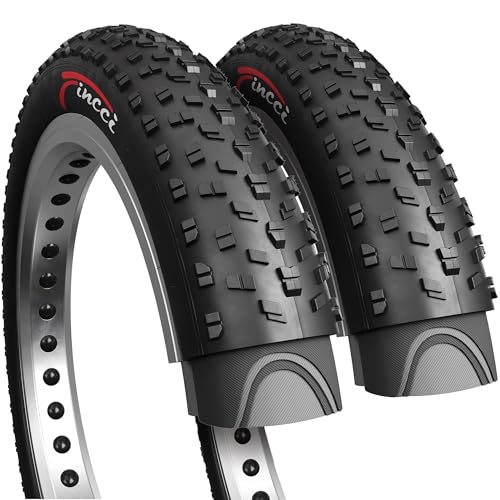
Fincci’s 26×4.0 fat tires feature 30 TPI casing with a Kevlar bead for foldable convenience and rugged durability. Designed to fit standard 26-inch fat rims, these tires emphasize off-road traction with reinforced sidewalls and wide lugs for sand, snow, and gravel. Their versatility suits e-bikes, mountain bikes, and street riding, offering reliable grip across diverse terrains while maintaining a balanced ride.
The combination of grip-focused tread and sturdy construction makes these tires a strong choice for riders balancing daily commutes with occasional trail adventures. They prioritize stability and puncture resistance in demanding conditions without sacrificing on-road manners.
Allscape 20×4 Fat Tire E-Bike Tires

Allscape fat tires are built for heavy-duty all-terrain use with anti-puncture technology and premium rubber compounds. They deliver steady cornering on pavement while maintaining stability on dirt and gravel, aided by a directional herringbone pattern designed to smooth the ride and protect against debris. The 20×4 size suits urban-friendly fat bikes and lightweight e-bikes, offering reliable performance in mixed conditions.
The tires are marketed for two-packs, giving riders the option to outfit both wheels with consistent tread and performance. This helps achieve balanced handling and predictable wear across the bike’s contact patch, especially on longer rides or variable terrains.
WEIYINGSI Heavy Duty 26×4 Fat Tires

WEIYINGSI’s 26×4 fat tires emphasize heavy-duty wear resistance and durability for extreme conditions. The thick tread depth enhances resistance to road debris, while the tread design supports confident off-road performance across forests, mountains, beaches, deserts, and gravel. These tires aim to balance off-road aggression with street-ride comfort, helping riders navigate varied surfaces with stability and control.
Potential buyers benefit from a robust tire that prioritizes load-bearing capacity and long service life, making it suitable for frequent rides on challenging routes or winter conditions where puncture risk is higher.
Hycline Ebike Fat Tire 20×4.0

Hycline’s 20×4.0 fat tires are designed for e-bikes and mountain bikes, offering a symmetrical dual center tread for improved braking stability and cornering traction. The wide, sloping blocky tread cuts through loose surfaces while maintaining low rolling resistance for smoother urban rides. The tires are positioned as all-terrain performers, suitable for street or trail riding where traction and stability matter most.
With a balance of grip and efficiency, these tires are a practical option for riders seeking reliable performance on a range of surfaces without sacrificing ride quality or puncture resistance.
Buying Guide: Key Purchase Considerations
- Sizing and compatibility: Confirm your wheel width, rim diameter, and tire pressure range. 26×4.0 and 20×4.0 are common for fat bikes and many e-bikes, but frame clearance and rim compatibility matter for a secure fit.
- Puncture resistance: Look for anti-puncture technologies, thicker sidewalls, and durable rubber compounds. Nullifying frequent flats is especially valuable for riders who ride varied terrains or in harsh weather.
- Tread pattern and terrain focus: Directional or herringbone patterns typically excel on loose surfaces (sand, snow, dirt), while smoother patterns can improve on-road efficiency. Consider climate and typical riding surfaces when selecting.
- Weight and durability: Heavier tires may offer more puncture resistance and stability but can impact acceleration and rolling resistance. A balance between weight and durability is important for daily riders and long trips.
- Tubeless vs tube-type: Some fat tires are tubeless-ready or foldable for easier mounting. If your setup supports tubeless, tires designed for tubeless use can reduce flats and improve grip on rough terrain.
- Maintenance and replacement: Check for availability of replacements (tires, tubes, patches) and whether the model supports easy installation and reuse after wear. A two-pack option can simplify wheel alignment and balance.
- Rider needs and budget: For casual riders, prioritizing puncture resistance and predictable handling is often sufficient. For enthusiasts, emphasis on grip, stability, and weight reduction can guide more specialized choices.
These considerations help compare tires across sizing, terrain tolerance, and durability. The selected options emphasize reliability, cross-terrain performance, and compatibility with fat bikes and e-bikes. When evaluating, align the tire’s strengths with your typical routes—urban commutes, mixed terrain trails, or winter adventures—for the best long-term value.