Finding the right 3D printed bike seat can drastically improve comfort, weight, and ride feel across road, mountain, and urban settings. This guide highlights five standout options that leverage 3D printing for tailored cushioning, airflow, and carbon fiber construction. Each product section links directly to Amazon for quick comparison, while the buying guide covers key factors to consider before purchasing.
| Product | Brand | Key Benefit |
|---|---|---|
| Samassi 3D Printed Bike Saddle | Samassi | Advanced comfort with carbon fiber rails |
| Exceedhub 3D Printed Bike Saddle | Exceedhub | Lightweight carbon fiber structure |
| EVOSID 3D Printed Bike Saddle 150mm | EVOSID | Beehive design for weight distribution |
| Fizik Vento Argo R3 Adaptive | Fizik | Adaptive 3D printed cushioning with short nose |
| EVOSID 3D Printed Bike Saddle (Nylon-Black) | EVOSID | Universal fit with carbon fiber shell |
Note: All selections emphasize 3D printing-driven comfort, breathability, and durable materials like carbon fiber. The shopping links point to the corresponding Amazon product pages to compare features, weights, and dimensions side by side.
Samassi 3D Printed Bike Saddle
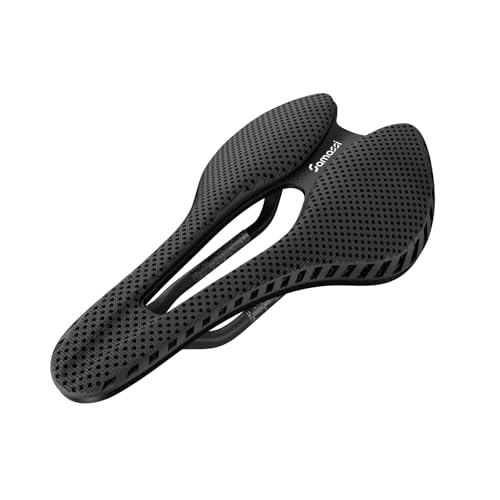
Samassi’s 3D printed design focuses on adjustable hardness and elasticity across seat areas to maximize shock absorption and all-day comfort. The nylon base with carbon fiber rails contributes to a lighter profile while maintaining strength for faster pursuits. A unique hollow structure inspired by leaf stomata supports breathability, helping keep the rider dry on long efforts. This seat suits both road and mountain biking, balancing stiffness for speed with a cushion-friendly feel in rough terrain. Compatibility with standard seat clamps is typical, but always confirm fit with your bike model.
Samassi 3D Printed Bike Saddle (Variant)
This listing duplicates Samassi’s 3D printed saddle with similar features: advanced 3D printing to tailor comfort zones, carbon fiber rails for a lighter frame, and an airy hollow design for ventilation. Riders seeking a lightweight, breathable option for long rides or aggressive pacing will appreciate the emphasis on airflow and reduced weight. As with other carbon-based seats, verify rail size compatibility with your seat post clamp before installation.
Exceedhub Carbon Fiber Bike Seat Cushion
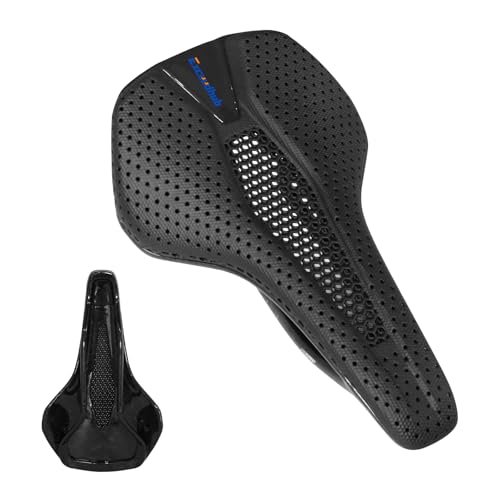
Exceedhub’s saddle uses a full carbon fiber structure to optimize weight while maintaining high strength. The 3D printed honeycomb design contributes to breathability and cushioning, delivering a responsive ride across MTB and road bikes. The seat’s dimensions are specified to accommodate a range of clamp sizes, and the overall weight remains light for improved acceleration and climbing. Ensure rail compatibility with your current setup for a secure fit.
EVOSID 3D Printed Bike Saddle 150mm
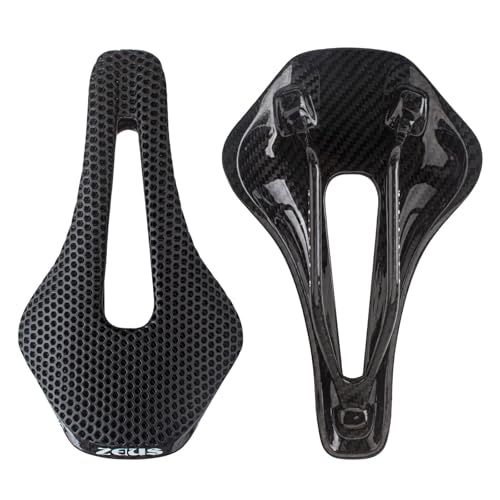
EVOSID’s 3D printed saddle features a beehive-like structure to balance weight distribution, providing targeted cushioning and pressure relief. The full carbon fiber shell and 150mm seat size offer a stable base for diverse riding styles, from city commuting to rugged trail work. The beehive design supports durable performance while maintaining a lightweight feel. Rail dimensions and clamp compatibility should be checked before purchase to ensure a proper fit with your bike.
Fizik Vento Argo R3 Adaptive
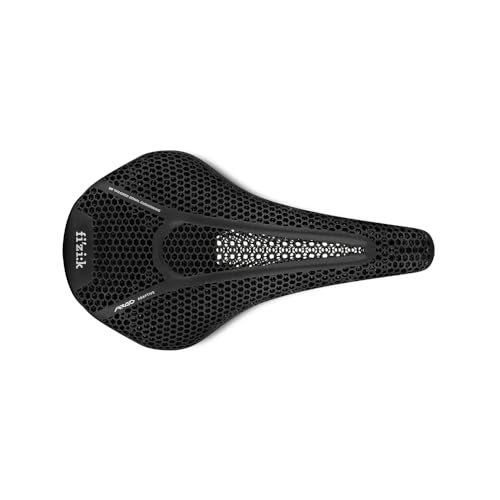
Fizik’s Vento Argo R3 combines adaptive, 3D printed cushioning with a short-nose design to reduce soft tissue pressure and promote stability. The ride benefits from carbon-reinforced nylon shell and a Kium hollow rail, achieving a strong weight-to-strength ratio. This seat is particularly suitable for riders seeking precise zonal support and a low-profile nose to enhance pedaling clearance without compromising comfort on long rides.
EVOSID 3D Printed Bike Saddle (Nylon-Black)

This EVOSID listing emphasizes universal fit and a carbon fiber shell paired with a 3D printed honeycomb structure. The saddle remains light and quiet, with a focus on balanced weight distribution and beehive-like cushioning for a comfortable ride across varied terrains. Fit checks for rail size and clamp compatibility are advised to maximize stability and performance on the bike.
Buying Guide: Key Purchase Considerations
- Fit and compatibility: Check rail size (often 7x9mm) and clamp compatibility with your seat post. Some saddles specify universal fit, while others require specific clamps.
- Material and weight: Carbon fiber rails and shells reduce weight and increase stiffness for performance-oriented riders, but may affect ride feel. Consider the riding context (road vs. mountain).
- 3D printing benefits: Finely tuned cushioning zones, airflow channels, and beehive structures can improve comfort and breathability, especially on long rides.
- Nose design and geometry: A short-nose or tapered profile can influence pedaling clearance and pressure distribution; choose based on riding style and preferred cadence.
- Durability and maintenance: Carbon-based constructions tend to be robust but may have specific care requirements. Inspect for wear at rails and shell junctions over time.
- Size and dimensions: Seat width and overall length affect contact area and comfort. Compare listed measurements to your current saddle as a baseline.
- Breathability features: Hollow or honeycomb structures enhance airflow, reducing heat and moisture buildup during extended sessions.
- Budget and availability: While all listed options emphasize performance, price and availability may vary. Consider purchase timing and return policies if possible.
- Intended use: Road, MTB, gravel, or city bikes each benefit from different saddle shapes, cushioning density, and rigidity. Align with your terrain and riding goals.
These considerations help balance comfort, weight, durability, and pedaling efficiency. When evaluating options, prioritize seats that align with your bike geometry, climate, and typical ride duration. Testing multiple models can reveal how each 3D printed design interacts with your sit bones and riding posture.