Here are five top 29-inch tires designed to deliver reliable traction, puncture resistance, and solid control on tough off-road terrain. This guide compares models from Schwinn, Continental, WTB, and Hycline to help American riders choose tires that balance durability, grip, and rolling efficiency for demanding trails.
| Brand | Model | Size | Key Feature |
|---|---|---|---|
| Schwinn | Replacement Bike Tire, 29 x 2.25 | 29×2.25 | Puncture guard with Kevlar reinforcement and steel bead for durability |
| Continental | Cross King ShieldWall, 29 x 2.2 | 29×2.2 | Three-layer Tubeless Ready casing for puncture protection |
| WTB | Trail Boss, 29 x 2.25 | 29×2.25 | Aggressive tread with universal traction and long wear |
| Hycline | 29×2.4 Two-Pack | 29×2.4 | Puncture-resistant with included tubes and levers |
| Hycline | 29×2.1 Two-Pack | 29×2.1 | Classic block tread with strong cornering grip |
Note: Tire choice depends on riding style, terrain, and maintenance. The following sections summarize each option’s strengths in practical terms and how they perform on common American trail types.
Schwinn Replacement Tire: 29×2.25 With Kevlar Puncture Guard

The Schwinn tire focuses on puncture resistance and durability for rugged rides. The Kevlar layer provides extra protection against flats on rocky or root-strewn trails, while a steel bead supports robust bead retention on rocky descents. The aggressive tread improves traction in loose conditions and sheds mud efficiently, making it a reliable choice for hikers, learners, and seasoned riders who encounter mixed trail surfaces.
Continental Cross King ShieldWall: 29×2.2 Folding

The Cross King ShieldWall is designed for versatile performance on multiple surfaces. Its three-layer Tubeless Ready casing enhances puncture protection without sacrificing rolling efficiency. The tire’s profile adapts well to both hardpack and loose soil, delivering steady handling for riders who encounter occasional rough sections or fast, technical descents.
WTB Trail Boss: 29×2.25
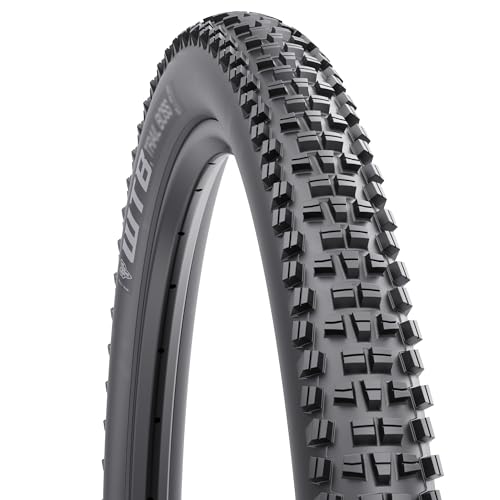
The Trail Boss occupies a flexible middle ground between slick and aggressively knobby tires, offering a balanced mix of cornering grip, braking bite, and rolling efficiency. Its tightly spaced center knobs favor smooth rolling, while side lugs provide solid side grip during cornering. The tire is designed for durability, with sidewall protection that helps resist cuts during demanding rides and frequent braking forces on rough trails.
Hycline 29×2.4 Two-Pack

This Hycline two-pack emphasizes puncture resistance and wear durability, with a robust rubber compound and nylon cord construction. The 2.4-inch width offers substantial grip and stability on loose soil, sand, and rocky surfaces. Each tire ships with inner tubes and tire levers, streamlining setup for riders who prefer a ready-to-install kit for trail-ready tires.
Hycline 29×2.1 Two-Pack

Hycline’s 2.1-inch option uses a classic block tread with densely packed center knobs for easy rolling and open-edged side lugs to boost cornering grip and handling stability. This tire is suitable for riders who want predictable performance on varied trail types, especially where tighter turns and steady traction are needed on moderate to technical terrain.
Buying Guide
Key considerations when choosing 29-inch tires for mountain biking include tread design, puncture protection, sidewall durability, weight, and tubeless compatibility. A few notes to help compare options:
- Tread design: Aggressive knobs provide better traction on loose dirt and rocks but may increase rolling resistance on hardpack. A middle-ground tread works well for mixed trails.
- Puncture protection: Kevlar layers, multiple casing layers, and SG2-style protection reduce flats on rough terrain. Tubeless-ready or tubeless systems minimize punctures from pinch flats.
- Bead type: Steel beads tend to be durable and reliable on traditional setups; folding beads save weight and aid tubeless configurations.
- Width and profile: Wider tires (2.25–2.4 inches) offer more float and grip on loose surfaces but can increase rolling resistance. Narrower options roll faster but may provide less traction in soft soil.
- Tubeless readiness: Tubeless tires reduce flats and allow lower pressures for better grip. Consider compatible rims and sealant options when evaluating tires.
- Maintenance: Tires with durable compounds and puncture protection perform longer between replacements, especially on rough trails with rocks, roots, and debris.
Riders should assess typical terrain, riding style, and maintenance routines. For those frequently navigating rocky, rooty, or technical sections, prioritizing puncture resistance and a robust tread pattern pays off in stability and confidence. For racers or fast riders on smooth or hard-packed trails, tires with lower rolling resistance and lighter weight can improve speed without sacrificing grip. When uncertain, choosing a versatile, all-terrain tire with solid puncture protection and reliable cornering performance tends to yield the broadest satisfaction across seasons and terrains.