The right rear wheel can dramatically improve traction, durability, and shifting performance on 26-inch mountain bikes. This guide highlights five reliable options that balance weight, strength, and compatibility for a variety of setups—from casual trail rides to more demanding climbs. Each pick is evaluated on build quality, spoke count, brake compatibility, and ease of installation to help you choose confidently.
| Product | Brand | Key Benefit |
|---|---|---|
| WheelMaster Rear Bicycle Wheel 26 x 1.5 | WheelMaster Store | Reliable quick-release with alloy rim |
| 26″ Mountain Bike Wheelset, Quick Release | Exceedhub Store | Ultralight alloy, robust 32H, 19 mm inner width |
| WheelMaster Rear 26 x 1.75/2.125 | WheelMaster Store | Versatile 36H wheel with bolt-on option |
| WEEROCK 26/27.5/29 Inch Wheel Set | WEEROCK | Disc brake compatible, quick-release ready |
| Wheel Master Rear Wheel – 26″ x 1.5″ | WheelMaster Store | 8-10 speed cassette compatibility, stainless spokes |
Choosing the right rear wheel involves matching your bike’s braking system, gear setup, and riding style. The selections below cover a range of popular configurations, from quick-release to bolt-on hubs, and from standard alloy rims to double-wall designs built for durability on rugged terrain. Review the details to identify which wheel best fits your mountain bike’s specifications and your preferred riding context.
WheelMaster Rear Bicycle Wheel 26 x 1.5
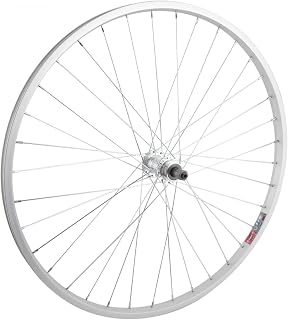
The WheelMaster Rear Bicycle Wheel uses a quick-release alloy hub and a silver rim for a clean, reliable setup. It is designed as a rear wheel with a quick-release option, suitable for 5/6/7-speed freewheels. The wheel’s alloy construction emphasizes lightweight durability, making it a practical choice for riders who want straightforward maintenance and dependable performance on varied terrains.
26″ Mountain Bike Wheelset, Quick Release

This wheelset features a double-wall rim and 32 spokes on each wheel, combining strength with lighter weight. The design targets a wide compatibility range, including MF-TZ500-6/7 speed freewheels. Its inner width of 19 mm supports modern 1.5-2.125 inch tires and improves stability and sidewall support on rough surfaces. The 32H front and rear rims offer balanced load distribution for enhanced durability during aggressive riding.
WheelMaster Rear 26 x 1.75/2.125

This WheelMaster offering spans a versatile range with a 36H construction and 14 gauge spokes. The bolt-on option provides secure mounting for riders who prefer a sturdy rear wheel with robust spoke threading. The 1.75/2.125 tire compatibility supports a broad variety of tread patterns, making it suitable for mixed-terrain adventures where grip and reliability matter.
WEEROCK Wheel Set Aluminium Alloy

The WEEROCK wheel set is designed for mountain biking with a disc brake configuration and multiple cassette compatibility. It includes quick-release hardware for easy removal and installation. The wheels are built to accommodate 6-bolt disc brakes and 7-11 speed cassettes. This design aims to deliver straightforward maintenance, reliable engagement, and an adaptable platform for riders who run varied drivetrain setups on diverse courses.
Wheel Master Rear Wheel – 26″ x 1.5″

This wheel emphasizes versatility with 8-10 speed cassette compatibility and stainless steel 14 gauge spokes. The 36-hole design adds stiffness for better load distribution, and the black rim finish provides a sleek look that pairs with a wide range of bikes. It’s a dependable option for riders who want a robust rear wheel capable of withstanding mixed terrain and frequent gear changes.
Buying Guide: Key Considerations For 26-Inch Rear Mountain Wheel Purchases
- Brake compatibility: Ensure the wheel matches your braking system (disc vs rim), and confirm the number of attachment bolts if choosing a disc brake setup. Some wheels are explicitly designed for 6-bolt discs, while others support standard rim brakes.
- Hub type and quick release: Decide between quick-release and bolt-on hubs. Quick-release hubs simplify maintenance and wheel removal, while bolt-on hubs offer added security for certain riding styles or frames.
- Spoke count and spoke gauge: Higher spoke counts (e.g., 36H) provide additional durability and stiffness, especially on rough terrain. Spokes’ gauge (such as 14G) influences weight and strength; heavier gauges are more resistant to bending under load.
- Rim material and wall construction: Aluminum rims are common and affordable, while double-wall rims enhance durability and resist denting. Inner and outer widths affect tire choices and stability—wider rims give better support for wider tires, particularly on aggressive trail rides.
- Compatibility with freewheels and cassettes: Check that the wheel’s freewheel or cassette compatibility matches your drivetrain speeds (6- or 7-speed, 8-10 speed, etc.). Mismatched setups can hinder shifting performance or require additional spacers.
- Intended riding style: For aggressive trails and frequent obstacles, prioritize rugged builds with reinforced rims, reliable hubs, and corrosion-resistant spokes. For lighter trail use, weight savings and aerodynamics may take precedence.
- Installation ease: Quick-release wheels simplify maintenance, but ensure your frame and fork accommodate the chosen hub type. Proper spoke tension and true alignment are essential for safe riding and prolonged wheel life.
Across these options, buyers should align wheel attributes with their bike’s frame compatibility, drivetrain, and typical terrain. The wheel selections presented balance durability with compatibility, offering choices for riders who want straightforward upgrades without sacrificing performance on challenging mountain bike routes.