Finding the right inner tube for a 26-inch mountain bike can extend your ride time and reduce flats on rough terrain. This guide highlights reliable 26″ tubes that cover a range of needs—from lightweight competition tubes to puncture-sealing models and reinforced designs. Each option is paired with features to help you compare fit, durability, and ease of installation so you can choose confidently for your road, trail, or city commutes.
Summary of selected products:
| Product | Brand | Size / Valve | Notable Feature |
|---|---|---|---|
| Hydencamm 2-Pack Tubes | Hydencamm | 26″x1.75-2.125, Schrader 32mm | Two-pack with included tire levers; reliable butyl rubber |
| Slime 26″ Inner Tube | Slime | 26″x1.75-2.125, Schrader | Self-sealing with puncture sealant |
| WTB Inner Tube | WTB | 26″x1.5-2.2, 33mm Presta | Thicker butyl for puncture resistance |
| Hapleby 2-Pack Tubes | Hapleby | 26″x1.75-2.125, Schrader 32mm | Reinforced valve and thicker sidewalls |
| Corki Cycles Inner Tube | corki | 26″x1.75-2.125, Schrader 32mm | Eco-friendly butyl rubber; multiple compatible tire sizes |
Hydencamm 2-Pack Bike Tubes

These 26″x1.75-2.125 tubes come in a 2-pack with a 32mm Schrader valve, suited for most road and mountain bikes. The package includes two tire levers to simplify installation, reducing the risk of pinching the tube or rim during replacement. The tubes use high-quality butyl rubber, delivering reliable air retention and long-lasting sealing against leaks. A practical choice for everyday riders who want value and straightforward compatibility across common 26″ tires.
References: 26″x1.75-2.125 compatibility; Schrader valve; two-tube pack; includes tire levers; butyl rubber for durable sealing.
Slime 30045 Bike Inner Tube

The Slime 26″ inner tube includes integrated sealant designed to seal punctures up to 1/8 inch (3 mm) automatically. This self-sealing feature reduces downtime after minor flats, making it suitable for riders who frequently ride over rough terrain or in areas with debris. The tube uses Schrader valves and is built to resist pinch flats while maintaining solid air retention for longer rides. A practical option for riders seeking extra protection against flats.
References: Slime sealant inside; puncture sealing up to 1/8″ (3 mm); Schrader valve; designed to limit flats on rough terrain.
WTB Mountain Bike Inner Tube

The WTB inner tube is designed for 26″ wheels from 1.5″ to 2.2″ tire widths and uses thicker butyl rubber to improve puncture resistance and air retention. Available with a 33mm Presta valve, this option balances durability with a lightweight build. Ideal for riders who want a dependable tube that performs well across varied trail conditions without a high price tag.
References: 26″x1.5-2.2″ range; 33mm Presta valve; thicker butyl for durability and air retention.
Hapleby 2-Pack Tubes
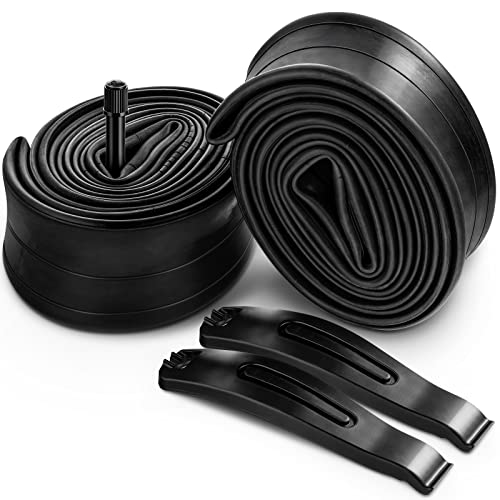
Hapleby offers two 26″ inner tubes compatible with 26″x1.75-2.125 tires, featuring a reinforced valve design to mitigate leaks at the valve stem interface. The tubes are built with thicker sidewalls (around 1.12 mm, higher than standard) for added puncture resistance and air retention. This design choice aims to reduce frequent air topping up and improve ride consistency on uneven terrain.
References: 32mm Schrader valve; reinforced valve interface; thicker sidewalls for puncture resistance and air retention.
Corki Cycles 26 Inch Inner Tube

The Corki Cycles 26″ inner tubes fit 26×1.75-2.125 tires and accommodate a broad range of actual tire widths (ETRTO and English sizes). Crafted from eco-friendly butyl rubber, these tubes emphasize durability and puncture resistance. Each 2-pack includes a standard Schrader valve with a 32mm stem. They are positioned for riders who want dependable performance with environmentally conscious materials and broad compatibility.
References: 26″ range; Schrader valve; compatible with multiple 26″ tire sizes; eco-friendly butyl rubber.
Buying Guide: Key Purchase Considerations
- Size and compatibility: Most 26″ tubes target tires from about 1.5″ to 2.5″ wide. Confirm your tire width (ETRTO 47-559 to 62-559) and valve type (Schrader vs. Presta) before purchasing. If unsure, choose a tube advertised for 26″x1.75-2.125 or similar range for broad compatibility.
- Valve length and type: Schrader valves (32mm or 32–33mm) are common and easier to inflate with standard pumps. Presta valves are slimmer and may require adapters; they’re more common on road-oriented models but also appear on some MTB tubes.
- Durability versus weight: Heavier, thicker sidewalls provide puncture resistance but add weight. Lighter tubes improve acceleration but may be more prone to flats on rough trails.
- Sealant integration: Tubes with built-in sealant can seal small punctures automatically, reducing downtime. Check for compatibility with your rim and expected puncture types in your riding environment.
- Ease of installation: Some tubes ship with tire levers or reinforced valve interfaces to reduce risk of pinching or damaged tubes during installation. If you regularly replace tubes yourself, this can be a meaningful convenience.
- Riding conditions: For frequent off-road riding in rocky or debris-filled areas, consider reinforced valves and thicker sidewalls. For daily commuting on paved roads, lighter tubes with reliable air retention might be preferable.
- Brand and warranty: Reputable brands with tested manufacturing processes tend to deliver more consistent fit and performance. Review return policies and any warranties offered for peace of mind on higher-use bikes.
Additional Considerations
When selecting tubes, consider pairing a tube with a compatible tire and rim tape to further reduce puncture risk. Regular inspection of tires for sharp embedded objects and ensuring the rim bed is free of deformation can also lower the likelihood of flats. If you encounter frequent punctures, evaluating tire tread, sealant options, and overall tire width compatibility can help optimize ride reliability.