Choosing the right roof bike rack can simplify trips, protect your bikes, and keep your vehicle streamlined. This guide highlights five top options that balance security, ease of use, and compatibility with common crossbars. Each rack supports standard and larger wheel sizes, with wheel-contact protection and intuitive locking systems. Read on for practical comparisons and a buying guide to help you pick the best rooftop carrier for your needs.
| Product | Brand | Key Strength | Wheel Size Range |
|---|---|---|---|
| Yakima Rooftop Bike Rack Mount | Yakima | Durable, secure mounting with versatile compatibility | Up to 29″ |
| GATHERSKY Roof Bike Rack | GATHERSKY | Two upright arms with wheel contact, one-handed release | 18″–29″ wheels |
| Terriplaze Roof Bike Rack Mount | Terriplaze | Pre-assembled, quick load, adjustable arms | 21.56″–29″ wheels |
| Swagman UPRIGHT Roof Mount | Swagman | Minimalist design, lightweight, easy installation | Up to 54″ wheelbase |
| INNO INA389 Universal Mount Tire Hold II | INNO | Tool-free tire size adjustment, rear ratchet arm | 20″–29″, up to 2.7″ width |
Yakima Rooftop Bike Rack Mount

The Yakima Rooftop Bike Rack Mount offers a versatile transport solution for cars, SUVs, and crossbars without hitches. Its sturdy construction supports mountain bikes and fat tires, delivering stability and security during travel. The integrated mount system minimizes movement, giving drivers peace of mind on rugged roads.
Designed for ease, this carrier accommodates a range of frame types and configurations. Its robust materials and secure hold reduce wobble and friction, helping preserve bike components during transit. The mount’s simplicity makes it a practical choice for daily use or longer road trips.
GATHERSKY Roof Bike Rack

The GATHERSKY roof rack uses two pivoting upright arms to grip the bike by the wheels, avoiding contact with the frame for added protection against scratches. An integrated tightening knob and a one-handed ratchet lock streamline loading and unloading, enabling quick adjustments on the go. It is suitable for single-bike use on removable crossbars with a capacity of up to 44 pounds per bike.
Key compatibility includes wheels up to 29 inches and tires up to 3.1 inches wide, with a wheelbase up to 48 inches. The design emphasizes secure wheel contact rather than frame clamping, which helps preserve cosmetic finishes during transport and makes it easier to manage bikes on a busy day.
Terriplaze Roof Bike Rack Mount

The Terriplaze roof bike rack is designed for quick setup with pre-assembly and one-twist locking. The adjustable sliding arms support a wide range of wheel sizes, typically 21.56″–29″ and tires up to 3″ wide. This flexibility makes it compatible with road, mountain, and hybrid bikes, accommodating diverse cycling needs without tools.
One-handed operation reduces handling time and effort, while its foldable design helps store the rack when not in use. The rack’s fit is optimized for crossbars that are removable, offering a practical option for vehicles with less permanent roof setups.
INNO INA389 Universal Mount Tire Hold II
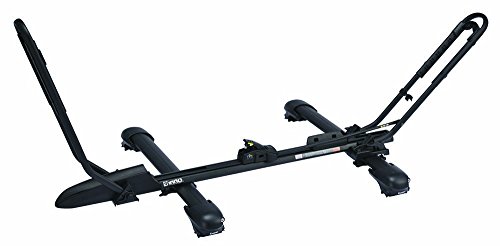
The INNO INA389 Universal Mount Tire Hold II is a single-bike rooftop carrier featuring a tire-based hold system with a rear ratcheting arm. It supports a broad range of tire sizes and frame styles with no need for frame contact. The tire size adjuster allows tool-free, rapid sizing, making it easy to fit different bikes on the same rack.
Maximum tire widths up to 2.7 inches and wheel sizes from 20″ to 29″ cover most common bikes. Its design focuses on secure, precise positioning and reliable locking, contributing to safer transport on highways and backroads alike.
Buying Guide: Key Purchase Considerations
Roof-mounted bike racks vary in design, security features, and compatibility. When selecting a carrier, consider the following factors to match your vehicle, bikes, and travel needs:
- Bike compatibility: Check wheelbase, wheel size, and tire width limitations. Some racks accommodate up to 29″ wheels and tires up to 3″ wide, while others are more limited.
- Wheel-contact vs. frame-contact: Wheel-contact systems reduce frame exposure to potential damage or scratches. Frame-contact methods may offer easier mounting but increase risk to the frame.
- Security and locking: Look for integrated locking mechanisms and one-handed operation. A ratchet lock system can simplify loading and unloading while keeping bikes secure during transit.
- Crossbar compatibility: Ensure the rack fits with your existing crossbars (square, round, or aero). Some models require removable crossbars or specific mounting interfaces.
- Installation and removal: Pre-assembled or easy-twist setups save time, especially for frequent use. Lightweight units reduce handling effort.
- Weight capacity: Confirm the maximum load per bike and total capacity if transporting more than one bike. Exceeding limits can compromise stability and safety.
- Vehicle type and clearance: Consider the height of your vehicle and roof clearance. Some racks add noticeable height and may affect parking, garages, and garages with low clearance.
- Durability and weather resistance: Materials like powder-coated steel or aluminum resist corrosion and wear from exposure to sun, rain, and road salt.
For everyday use, prioritize models with wheel-contact security and straightforward one-handed loading. If you frequently switch bikes or accommodate both road and mountain models, a versatile design with adjustable arms and wide wheel compatibility may be preferable. For RV or larger vehicle setups, ensure the rack’s base and mounting system align with your roof rack type and vehicle weight distribution.