Discover top GPS-enabled bike computers that deliver accurate tracking, route navigation, and robust data analysis for American cyclists. This guide highlights five standout models, detailing key features to help you choose the right device for road, mountain, or commuter riding. Each option balances screen readability, battery life, waterproofing, and smart connectivity to keep you informed on every mile.
| Product | Brand | Key Feature |
|---|---|---|
| CYCPLUS GPS Bike Computer | CYCPLUS Store | Dynamic GPS positioning with long battery life |
| iGPSPORT BSC200S | iGPSPORT Store | Route navigation and smart notifications |
| Garmin Edge 1050 | Garmin Store | Premium navigation and performance features |
| iGPSPORT BSC300T | iGPSPORT Store | Touchscreen with offline map navigation |
| GEOID CC600 | GEOID Store | Color screen with route re-routing and cloud sync |
CYCPLUS GPS Bike Computer Review

The CYCPLUS GPS Bike Computer emphasizes dynamic GPS positioning for precise ride tracking. It displays ride time, riding distance, total mileage, current altitude, and time, helping riders monitor progress across workouts. Its automatic backlight uses FSTN technology for high readability in bright sun and dim conditions, with a tempered glass surface resistant to scratches. A waterproof IPX6 rating and a large 1200 mAh battery enable extended use, reducing the need for frequent recharges. The device is designed for minimal on-handlebar clutter, delivering reliable performance in rain or shine. Battery life exceeding 55 hours in typical use makes it suitable for longer tours and endurance sessions.
Key considerations include GPS signal reliability across dense urban canyons or mountain valleys, which the device aims to mitigate with higher sensitivity. The combination of backlight and rugged construction addresses visibility and durability. For data enthusiasts, the device provides essential cycling analytics with a straightforward interface, though some advanced mapping features may be less exhaustive than premium models.
Pros and Cons
- Pros: Clear display, strong battery life, reliable weatherproofing, straightforward data readouts
- Cons: May lack some advanced mapping features found in higher-end devices
iGPSPORT BSC200S GPS Bike Computer
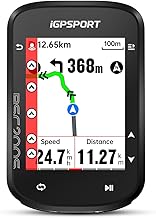
The BSC200S offers route navigation via the official iGPSPORT app and compatibility with third-party platforms like Strava, Ride with GPS, and Komoot. One-touch navigation simplifies getting started, and the device supports “Back to Start” routing for easy retracing. Smart notifications include turn reminders, yaw reminders, and incoming messages, ensuring you stay informed without reaching for your phone. The unit is designed to be water-resistant (IPX7), maintaining performance in wet conditions and during heavy rides. Route customization and color module options enhance visibility and user experience on the 2.4-inch display.
From a usability angle, the one-touch navigation reduces setup time, and the ability to import routes from various apps broadens training options. While feature-rich, potential buyers should assess whether the app ecosystem matches their preferred platforms and whether the display size suits their field of view during fast-paced rides.
Pros and Cons
- Pros: Broad app compatibility, easy navigation prompts, robust water resistance
- Cons: Some users may want larger screens for legibility in sunlight
Garmin Edge 1050 Review

The Garmin Edge 1050 is a premium cycling computer known for its sophisticated navigation, training planning, and advanced performance tracking. It combines a vivid color touchscreen with robust navigation capabilities, in-depth cycling analytics, and smart connectivity that integrates with compatible smartphones. Battery life runs up to 20 hours under demanding use, extending to 60 hours in battery saver mode. Road hazard alerts, contributed edits, and community-driven map data add a safety and collaborative edge to rides. This device targets serious cyclists who want precise route planning, training insights, and premium display quality for day-long adventures.
Considerations include the balance of price versus features and whether the enhanced navigation and hazard reporting justify the investment for your riding style. It excels in navigation accuracy, display clarity, and training metrics but may be more than needed for casual riders.
Pros and Cons
- Pros: Premium navigation, comprehensive training features, long battery saver mode
- Cons: Higher price point, more features than casual riders may use
iGPSPORT BSC300T Wireless GPS Bike Computer

The BSC300T stands out with a large 2.4-inch touchscreen and a 6-button layout for versatile operation. It supports multiple modes, including road bikes, mountain bikes, and e-bikes, with the ability to display power levels and other ride data. Global satellite coverage combines GPS with Beidou, GLONASS, GALILEO, and QZSS for faster positioning and more accurate data. The device supports offline navigation, which is useful when signal is weak or connectivity is limited. The combination of touchscreen convenience and broad mode support makes it adaptable for diverse riding scenarios and riders who want a feature-rich device without needing a separate phone app during rides.
Potential drawbacks include the need to become familiar with the menu system on a touchscreen device and ensuring compatibility with your preferred mapping and training apps. For riders who value offline reliability and multi-system satellite positioning, this model provides solid performance.
Pros and Cons
- Pros: Large touchscreen, multi-mode support, strong satellite reception
- Cons: Screen care and glare in bright sun can vary with screen brightness settings
GEOID CC600 Color Screen Bike Computer

The CC600 features a 2.4-inch color display with Asahi glass and a simple three-button interface, delivering an intuitive user experience for quick data checks on the move. It offers colorful route navigation with turn reminders and pop-up notifications at decision points, enabling smoother navigation during rides. The device supports uploading external GPX files via a phone app and provides automatic re-routing to keep you on course. WiFi and Bluetooth upgrades allow faster data transfers and firmware updates directly from the bike computer, reducing the need to pair devices via Bluetooth. This makes it a convenient option for riders who value easy updates and reliable offline route planning.
When evaluating the CC600, consider how much you value color clarity and the convenience of WiFi updates versus the standard Bluetooth approach. Its cloud connectivity and re-routing features cater to riders who enjoy frequent route testing and offline capabilities.
Pros and Cons
- Pros: Color display, easy navigation, offline GPX support
- Cons: Some users may prefer larger screens or more advanced metrics
Buying Guide: Key Considerations For A GPS Bike Computer
Choosing the right GPS bike computer depends on riding style, data needs, and how you prefer to interact with your device on the road. Consider the following factors to align your purchase with your goals:
- Navigation and mapping: Do you want offline maps, color route guidance, or compatibility with third-party platforms like Strava or Komoot? Devices like BSC300T and CC600 provide strong navigation with offline or cloud-based updates.
- Display and visibility: Screen size, color vs monochrome, and readability in sunlight influence how easily you read data while riding. Larger touchscreens and bright displays help during daylight rides.
- Battery life and charging: For long tours or multi-hour rides, battery life is crucial. Look for devices with extended endurance and battery saver modes (e.g., Garmin Edge 1050).
- Durability and water resistance: IP ratings ensure performance in rain or wet terrains. IPX6 and IPX7 are common standards among quality models.
- Connectivity and data ecosystem: Assess whether you prefer app ecosystems (Garmin, iGPSPORT, GEOID) and how well they integrate with training platforms you already use.
- Ease of use: Consider the control scheme—physical buttons, touchscreen, or a mix—and how it affects quick data access during rides.
- Specialized features: If you ride e-bikes, mountain bikes, or road bikes, confirm that the device supports your bike type and metrics such as power, cadence, or heart-rate integration when applicable.
- Price-to-feature balance: Premium models provide advanced analytics and smarter routing, but mid-range devices offer ample data for most recreational riders. Align features with your needs and budget.
- Device updates and support: Look for firmware update frequency and customer support quality to ensure long-term usability and reliability.
In summary, the best GPS bike computer for you should offer reliable satellite positioning, clear data presentation, durable construction, and an ecosystem that matches your training style. For casual riders, a model with straightforward navigation and good battery life may suffice. For serious enthusiasts, prioritizing advanced training insights and routing accuracy will justify a higher-end option.