When tackling rugged trails and high-speed descents, neck protection is a critical consideration for riders. A well-chosen neck brace can help reduce the risk of cervical injuries by stabilizing the head and distributing impact forces during crashes. This article highlights five top-rated neck braces suitable for mountain biking and related off-road activities, outlining key features to help you compare options and select the right fit for your riding style and body size.
| Product | Brand | Intended User | Key Feature |
|---|---|---|---|
| K1 Race Gear Neck Protector Brace | RaceGear | Adult | Simple design with compact profile |
| EVS R2 Neck Support | EVS Store | Youth & Adult | Lightweight impact foam for energy deflection |
| Leatt Brace Neck Brace 3.5 | Leatt Store | Adult | Significant reduction in neck forces |
| Helmet and Neck Support Collar 360 | Unbranded / Racing Collar | Adult | 360-degree tapered protection with padding |
| Motocross Gear Neck Protector (RIDBIKER) | RIDBIKER Store | Adult | Low-profile design with carbon fiber back plate |
K1 Race Gear Neck Protector Brace

The K1 Race Gear neck protector presents a straightforward, compact option for riders seeking dependable neck support without bulk. The product’s dimensions indicate a lightweight profile that balances flexibility with protection. While the listed features emphasize packaging and general use, riders can expect a snug, single-strap design that fits an adult neck with basic impact-damping capabilities. It is best suited for riders who want a minimal shield that does not interfere with collarbone movement during aggressive line choice on the trail.
EVS R2 Neck Support

The EVS R2 neck support emphasizes lightweight construction and energy-absorbing foam designed to reduce neck strain during high-impact riding. It is described as youth-specific protection, making it suitable for growing riders as well as adults who need a protective, flexible option. The device focuses on distributing crash forces away from the neck and spine while maintaining mobility, a combination valued by riders who frequently navigate jumps, rollers, and sharp turns on off-road courses.
Leatt Brace Neck Brace 3.5
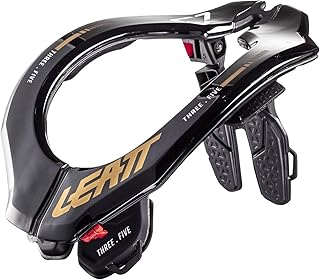
Leatt’s Neck Brace 3.5 is framed as a high-performance option with independent lab and rider testing backing its claims. The product highlights substantial reductions in neck forces and injuries by transferring load during impact away from critical cervical structures. It is marketed for adult riders and leverages a robust design to protect against a range of crash scenarios. Independent studies cited suggest meaningful safety enhancements, especially for riders who push the limits in motocross, trail riding, and enduro events.
Helmet and Neck Support Collar 360 Degree

This neck collar focuses on comprehensive coverage with a 360-degree tapered shape. It emphasizes comfort through thicker padding and a snug fit that aligns with the rider’s neck and helmet during high-speed or curving maneuvers. The design aims to reduce neck fatigue and provide reliable protection across professional races and casual rides alike. The inclusion of hook-and-loop closure helps with quick on-and-off adjustments in the pit or trailhead settings.
RIDBIKER Motocross Gear Neck Protector

The RIDBIKER neck protector targets an anatomical, low-profile design that supports helmet alignment during impact while offering a lightweight yet protective frame. With a carbon fiber back plate and EVA foam liner, this model emphasizes impact absorption and comfort during long or intense sessions. It is positioned for adult riders who want a balance of protection, freedom of movement, and a sleek silhouette that fits under or over racing gear without intruding on shoulder or chest clearance.
Buying Guide: Key Purchase Considerations
- Protection level vs. mobility: Heavier, more protective braces tend to restrict some movement. Assess your comfort with range of motion on rough trails and consider the terrain you ride most often.
- Rider size and fit: Some braces are marketed toward youth, others toward adults. Ensure the product size matches your neck circumference and torso build for an effective shield without pinching or slippage.
- Helmet compatibility: Neck braces work in tandem with helmets. Verify that the brace preserves helmet fit and does not push the helmet forward or create pressure points during crashes or rapid turns.
- Materials and durability: Look for impact-absorbing foam, carbon fiber components, or reinforced shells. Durable materials improve longevity on repeated trail use and frequent transport.
- Weight and aerodynamics: Lighter braces reduce fatigue on long rides, while aerodynamic shapes minimize wind resistance during fast descents.
- Adjustability and ease of use: Quick-release buckles, foam padding thickness, and strap tension influence comfort and on-trail adjustability. Prioritize models with straightforward, tool-free adjustments.
- Maintenance considerations: Regular inspection for cracks, worn padding, or fastener wear helps maintain protective performance and safety over time.
- Certification and testing: Independent tests or brand-backed studies provide added confidence in claimed protection levels. Compare results where available to other riders’ experiences.
- Use-case alignment: Some braces cater to motocross or karting; others target mountain biking and off-road riding. Align the product with your primary discipline for best results.
When selecting a neck brace, balance protection with comfort and compatibility with your gear. Reading size charts, trying on options (where possible), and considering your typical riding conditions will help you find a brace that enhances safety without compromising performance on the trail.