When you want reliable power on demand, combining pedal-powered energy with compact stationary bikes can offer a unique, eco-friendly option for small loads. This guide highlights five relevant products that blend manual or pedal-assisted energy generation with stationary bike design or portable power solutions. Use these selections to compare how pedal power, bike quality, and traditional backup generators stack up for home use, camping, and emergencies.
| Product | Brand | Category |
|---|---|---|
| XHNCXHX Hand Crank Generators | XHNCXHX | Pedal/Crank Generator |
| pooboo Exercise Bike | pooboo | Stationary Bike |
| WENOKER Magnetic Resistance Stationary Bike | Wenoker | Stationary Bike |
| XTERRA Fitness Folding Exercise Bike | XTERRA | Folding Stationary Bike |
| PowerSmart Portable Inverter Generator | PowerSmart | Portable Generator |
Note: Each product is selected for its relevance to pedal-powered energy generation, compact bike design, or portable power capabilities. The table summarizes brand and category to help readers skim for quick comparisons before diving into detailed product sections.
XHNCXHX Hand Crank Generators

The XHNCXHX pedal generator uses a durable, all-metal gear system and a quiet belt drive to produce electricity through pedaling. It features a 50W/100W disctype ironless generator and dual USB fast-charge outputs for portable devices. The design emphasizes compact, portable power generation suitable for small off-grid setups, walkie-talkies, laptops, and other USB-powered gear. While designed for pedal-powered charging, its compact form makes it a practical companion for emergency charging kits or portable power stations.
pooboo Exercise Bike

The pooboo stationary bike offers solid construction with a dual-action, full-body workout design. It uses an air resistance system via a fan, paired with a belt-drive to keep the ride quiet and low maintenance. The bike includes dual-action handlebars and ergonomic features for comfortable long sessions. While primarily a cardio machine, its robust frame and quiet operation make it a practical option for steady pedaling to generate steady exercise energy and to support off-grid workout routines where reduced noise matters.
WENOKER Magnetic Resistance Stationary Bike

This magnetic-resistance indoor bike prioritizes quiet, smooth operation with an inertia-enhanced flywheel. It avoids issues common to belt-driven systems and emphasizes durable bearings and a robust felt pad brake. The emphasis on stability and quiet performance makes it suitable for shared living spaces, streaming workouts, and extended pedaling sessions where the goal is consistent, low-noise energy input through exercise rather than relying on a standalone generator.
XTERRA Fitness Folding Exercise Bike
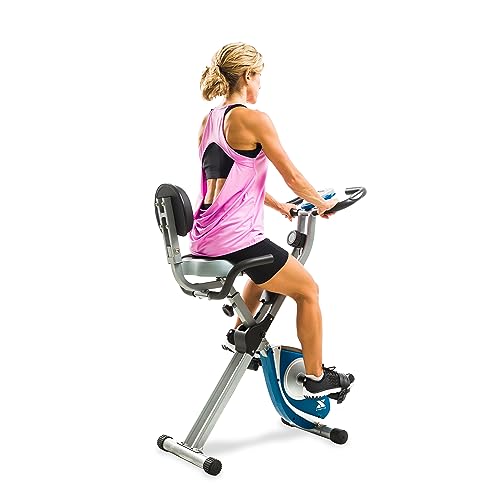
The XTERRA folding bike combines space-saving folding design with solid performance. It features a cordless, battery-powered setup, a compact X-frame, and adjustable resistance with a comfortable seat and handlebars. While not a direct generator, its portability and built-in battery-ready features make it a practical core for home workouts and easy integration into off-grid energy strategies, especially when paired with portable power storage solutions to capture generated energy during workouts.
PowerSmart 4400-Watt Portable Inverter Generator

This portable inverter generator delivers a starting wattage of 4400W and a rated 3600W, with a 1.6-gallon tank delivering up to 11 hours at 25% load. It remains relatively quiet for a generator in its class and is EPA compliant. It’s suitable for home use, RVs, or emergency backup scenarios where a portable, gas-powered source is advantageous for powering essential devices during outages or while camping. While not a stationary bike, it represents the other end of personal power generation—capturing energy or providing backup power when pedal-powered energy is insufficient or unavailable.
Buying Guide: Key Considerations For Pedal Power And Stationary Bikes
- Power output and load requirements: Pedal-powered generators vary in wattage. For charging small devices or running essential electronics, ensure the generator can sustain the desired output without overheating. If your goal is powering a broader set of loads, prioritize higher wattage models or a combination of pedal power and an auxiliary battery storage system.
- System integration: Consider how well the pedal generator integrates with a stationary bike. Look for compatibility with USB charging, DC output, or AC adapters, and verify whether the bike’s resistance mechanism complements energy generation efforts rather than hindering pedaling efficiency.
- Noise and vibration: Quiet operation is important for shared spaces. Magnetic resistance bikes typically produce less noise than belt-driven systems, which can be advantageous when pedaling for energy input in living areas.
- Portability and space: Folding bikes and compact pedal generators are ideal for small living spaces or emergency kits. Evaluate footprint, weight, and how easily gear can be stored when not in use.
- Fuel and maintenance: Gas-powered generators offer long runtimes but require fuel, maintenance, and regular refueling. Pedal-powered options are fuel-free but require consistent pedaling and, often, auxiliary storage for collected energy (batteries or capacitors).
- Energy storage: To maximize usefulness, pair pedal generators with portable power stations or batteries. This allows energy capture during pedaling and subsequent delivery to devices or appliances when you stop pedaling.
- Durability and build quality: For home emergency readiness, choose models with sturdy constructions, reliable bearings, and durable frames that withstand frequent use and transport.
- Safety features: CO sensors, automatic shutoffs, and proper exhaust management are essential for gas-powered units used in enclosed spaces. Always follow manufacturer guidelines for safe operation.
- Price vs. value: Weigh the upfront cost against long-term reliability, maintenance needs, and energy independence. Pedal power adds resilience, but a backup generator can provide immediate, substantial energy when off-grid.
Readers should assess personal use scenarios—daily workouts that generate energy, occasional off-grid camping, or household backup power needs—to determine whether pedal-powered energy, a compact stationary bike, or a traditional generator best fits their goals. Combining these tools with proper storage and energy storage solutions can offer a practical path to sustainable power in the American home.