Finding the right starter ride helps kids build balance, confidence, and coordination. The following hand-picked selections cover both balance bikes and scooters, offering age-appropriate options, adjustable features, and safety-focused designs. Each pick is evaluated for durability, ease of use, and growth potential to support kids from toddlers to early school years.
| Product | Brand | Wheel Size / Type | Key Benefit |
|---|---|---|---|
| Schwinn Elm and Koen Bike or Balance Bike | Schwinn | 12-20-inch wheels; training wheels or balance bike | Adjustable seat; grows with child; ergonomic design |
| Bixe Balance Bike – 16″ (Blue) | Bixe | 16″ balance bike | Balance-first learning; durable for ages 4-9 |
| Bounce Master Baby Balance Bike | Bounce Master | For ages 6-36 months | First ride experience; 135° steering limit for safety |
| Bixe Balance Bike – 12″ (Yellow) | Bixe | 12″ balance bike | Lightweight learning bike; suitable for younger toddlers |
| CALPALMY 2-Pack 10×2.50 Inner Tubes | CALPALMY | 10×2.50 inner tubes | Reliable scooter/tire accessory for extended use |
Schwinn Elm and Koen Bike or Balance Bike
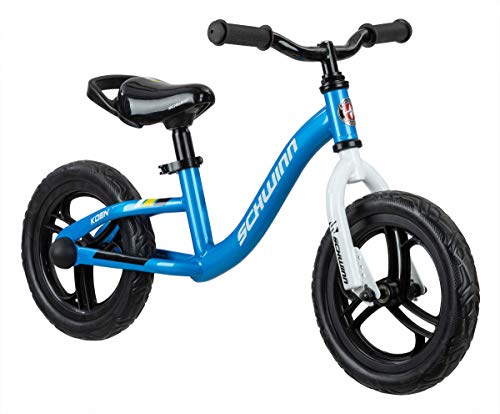
The Schwinn Elm and Koen combine the benefits of a balance bike with a traditional pedal-ready stage, offering 12-20 inch wheels and an adjustable seat to grow with a child from about 30″ to 54″ tall. It features a simple, single-speed drivetrain to simplify riding and confidence-building. Training wheels can be added for early learners, while the ergonomic design supports comfortable hand and posture alignment as kids progress toward a full-sized bike.
Bixe Balance Bike – 16″ (Blue)

Designed for children aged 4 to 9, the Bixe 16″ balance bike emphasizes balance and steering as foundational skills before transitioning to a pedal bicycle. Its no-pedal design reduces early complexity, allowing kids to learn at their own pace while developing confidence and coordination. The bike is built for safety and durability, with tamp-proof clamps and wheels equipped with safety washers to minimize maintenance and maximize ride time.
Bounce Master Baby Balance Bike

Targeted at toddlers 6 to 36 months, the Bounce Master balance bike acts as a safe stepping stone to independent balance. Its 135° steering limit reduces the risk of tipping, while a lightweight frame and appropriate seat height support upright positioning. The design emphasizes quick setup and portability, making it an ideal indoor-outdoor option for early walkers who are just beginning to balance on wheels.
Bixe Balance Bike – 12″ Yellow

This 12″ Bixe balance bike is ideal for younger toddlers who are just starting to explore two wheels. It focuses on light weight and durability, helping children master balance and steering first before adding pedals. The bike is designed for easy handling by small hands, enabling a smooth transition to bigger bikes as motor skills improve.
CALPALMY 2-Pack 10×2.50 Inner Tubes

Durable inner tubes designed for 10×2.50 tires, featuring a bent valve stem for quick inflation and compatibility with a range of scooter tires and some small bikes. These tubes are built from thicker butyl rubber to improve air retention and longevity, supporting rides across various weather conditions and terrains.
Buying Guide
Key purchase considerations
- Age and skill level: Balance bikes are great for developing motor skills in younger children (ages 3-6), while scooters may suit kids who already enjoy standing and gliding with more balance control.
- Growth potential: Look for adjustable seats and handlebars to extend the product’s usable life as your child grows.
- Weight and durability: Choose lightweight frames for easy handling by small children, paired with durable materials to withstand rough play.
- Safety features: Consider bikes with low standover heights, compliant brakes or simple glide mechanics, and wheels with good grip for stable rides.
- Maintenance needs: Low-maintenance designs and easily replaceable parts—such as inner tubes or tires—save time and effort for guardians.
Comparison notes
- Balanced progression: A balance bike (no pedals) helps young riders learn balance first; transitioning to a pedal bike often happens more smoothly after balance mastery.
- Adjustability: If you expect continued use as a growing child, prioritize models with adjustable seat heights and handlebars to maximize longevity.
- Safety first: For toddlers, models with a limited steering angle and a lightweight frame minimize the risk of falls during early attempts at balance or steering.
Usage scenarios
- Outdoor practice: Flat, smooth sidewalks or driveways provide the best setting for early balance bike practice.
- Indoor play: Some smaller models work well in spacious living rooms or basements with soft mats for rainy days.
- Travel and convenience: Lightweight, foldable or easily stowable options help families transition activities between different locations.