Finding the right coil shock can dramatically improve ride quality on rugged MTB trails. This guide highlights top coil shocks from reputable brands, focusing on durability, adjustability, and compatibility with a variety of mountain bikes and e-bikes. The picks below emphasize 750-1500+ lbs spring rates, multiple adjustment options, and strong construction for XC, AM, and downhills. Use the summary table to compare key specs at a glance.
| Product | Brand | Eye To Eye / Travel | Spring Rate | Key Features |
|---|---|---|---|---|
| DNM Damping 2 System 165mm | DNM | 165mm | 750 lbs | Rebound, Preload; hard chromed shaft; AL6061 shock body |
| DNM Damping 2 System 190mm | DNM | 190mm | 750 lbs | Rebound, Preload; 10 mm shaft; dark anodized body |
| DNM DV22AR 125mm | DNM | 125mm | 1500 lbs | 2-system damping; high spring rate; strong surface finish |
| CNCLOL 120-200mm | CNC | 120-200mm (various) | 550-750-1000 lbs (varies by size) | Multiple eye-to-eye options; oil pressure spring system |
| MEROCA 190-265mm | MEROCA | 190-265mm | 550 lbs | Independent rebound, compression, preload, and air pressure; 12mm mounting holes |
DNM Damping 2 System 165mm Coil Shock

The DNM Damping 2 System 165mm coil shock offers a robust 750 lbs spring rate with rebound and preload adjustments. Its hard chromed 10 mm shaft and dark anodized AL6061 body provide durability against trail debris and impacts. This model targets XC and AM riding styles, delivering reliable performance across varied terrain with a straightforward setup suitable for riders seeking predictable handling and consistent damping.
DNM Damping 2 System 190mm Coil Shock
This 190mm version maintains the same 750 lbs spring rate with a 2-system damping design, including rebound and preload adjustments. The Ø 10 mm shaft and anodized AL-6061 body are built for long-term reliability on rough routes and downhill sections. Suited for riders who need higher travel and enhanced absorption for steep, technical climbs and fast descents.
DNM DV22AR 125mm Coil Shock
The DV22AR brings a higher spring rate of 1500 lbs for aggressive riding and a compact 125 mm eye-to-eye. It features dual damping systems and a hard chromed 10 mm shaft with a durable anodized aluminum body. This option appeals to riders who push their bikes on technical climbs and aggressive descents, seeking maximum support from a compact coil shock.
CNCLOL Rear Shock 120-200mm Range

The CNCLOL shock covers multiple travel options from 120 mm to 200 mm, enabling compatibility with a broad range of mountain bikes and e-bikes. It utilizes a hydraulic rear suspension system with oil pressure-based damping, offering softer response for stable landings and longer service life. With sizes including 120/125/150/165/185/190/200 mm, it suits many mid to long-travel builds.
MEROCA Adjustable Air Spring 190-265mm
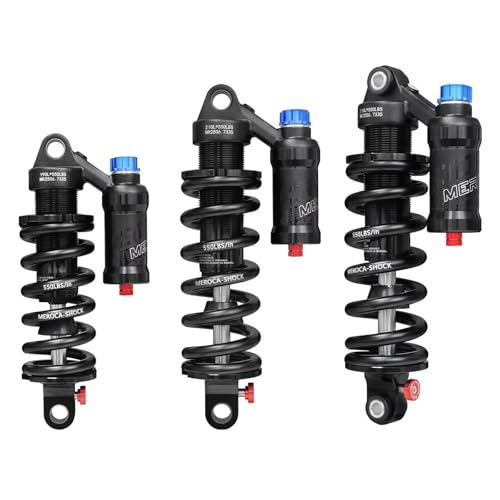
The MEROCA model offers quadruple adjustment: rebound, compression, preload, and air pressure (200-300 PSI). It uses a 550 lbs coil spring design with a 9 mm thick coil and is intended for enduro and downhill MTB and e-mountain bikes. Its universal mounting and plug-and-play install (when eye-to-eye length matches) make it a versatile choice for riders seeking precise tuning across diverse terrains.
MEROCA Adjustable Air Spring 190-265mm (Second Listing)
This is another MEROCA listing with the same quadruple-adjustment feature set for independent rebound, compression, preload, and air pressure. It supports similar eye-to-eye length options (190/210/230/240/250/265 mm) and continues to target aggressive riding styles while maintaining broad compatibility with full-suspension frames and e-bikes. The dual MEROCA options offer alternative availability for buyers focusing on air-assisted coil performance.
Buying Guide: Key Purchase Considerations
- Riding style and terrain: Choose a spring rate and travel range that matches XC, AM, or downhill needs. Higher travel and stiffer springs suit aggressive riders and rough trails, while lighter rigs prioritize nimble handling on smooth routes.
- Eye-to-eye length and mounting: Verify compatibility with your frame’s shock mounting points. Common lengths include 125, 150, 165, 190, and 210+ mm. Check bushing sizes and mounting hole patterns (often 8 mm x 24 mm) to ensure proper fit.
- Spring rate vs. rider weight: Coil shocks use fixed spring rates (e.g., 550, 750, 1500 lbs). Match the rate to rider weight, gear load, and terrain aggressiveness. A higher rate provides more support on drops and steep climbs but can feel stiff on smooth sections.
- Adjustability: Rebound, preload, compression, and air pressure (for air-assisted coils) allow fine-tuning against terrain. Multi-adjust options help adjust to changing conditions and rider preferences.
- Durability and materials: Look for hard chromed shafts, anodized aluminum bodies, and corrosion-resistant finishes. These features improve longevity in muddy or rocky environments common in American trail networks.
- Maintenance and serviceability: Coil shocks with straightforward oil damping and accessible bushings reduce maintenance time. Consider models with readily available replacement parts and pins for bushings and mounts.
- Compatibility with e-bikes: Some shocks are marketed as compatible with MTB and e-bikes. When choosing, confirm compatibility with your e-bike’s frame clearance and battery placement to avoid interference with drivetrain or motor components.
- Weight considerations: Coil shocks tend to be heavier than air shocks. Balance desired performance with the overall weight budget for your frame and riding style.
These options emphasize durability, a range of travel lengths, and multiple adjustability features to accommodate varying trails and rider preferences. When selecting a coil shock, match the product’s specs to your bike’s geometry, weight, and typical riding conditions for the best performance gains on Shenandoah descents, Colorado singletrack, or similar terrain.