Choosing the perfect mini glider balance bike helps your child develop essential balance and coordination skills before transitioning to a pedal bike. This guide highlights the best options designed for toddlers and young children, focusing on safety, adjustability, and design suited for ages 1 to 5 years. Below is a summary table of top models to help you quickly compare features.
| Bike Model | Ideal Age | Key Feature |
|---|---|---|
| Strider 12” Sport Bike | 1 to 4 years | Tool-free seat and handlebar adjustment, flat-free foam tires |
| JOYSTAR 12 Inch Kids Balance Bike | 2 to 5 years | Step-through frame and natural footrest |
| allobebe Baby Balance Bike | 1 to 3 years | Four wheels for added stability and silent indoor/outdoor wheels |
| KRIDDO Mini Cruiser Balance Bike | 1 to 3 years | Eco-friendly soft handlebars and wide PU wheels |
| Strider 12” Pro Bike | 1 to 4 years | Ultra-lightweight with adjustable seat and performance footrest |
Strider 12” Sport Bike – Balanced Riding for Toddlers
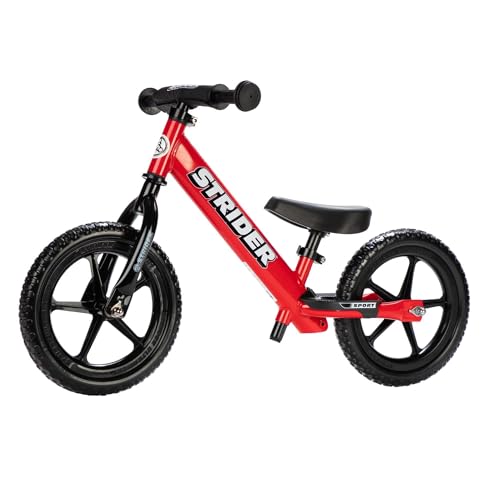
The Strider 12” Sport Bike is a leading model designed for toddlers aged 1 to 4 years. Featuring an 11″ starting seat height adjustable up to 17″, it easily accommodates growing children without tools. Equipped with flat-free foam tires, this bike requires minimal maintenance and is ideal for learning balance on various terrains. Its mini rubber grips, padded seat, and safety pad reinforce comfort and security. The performance footrest allows young riders to rest their feet while coasting, promoting confidence as they develop bike-handling skills.
JOYSTAR 12 Inch Kids Balance Bike – Easy Step-Through Design
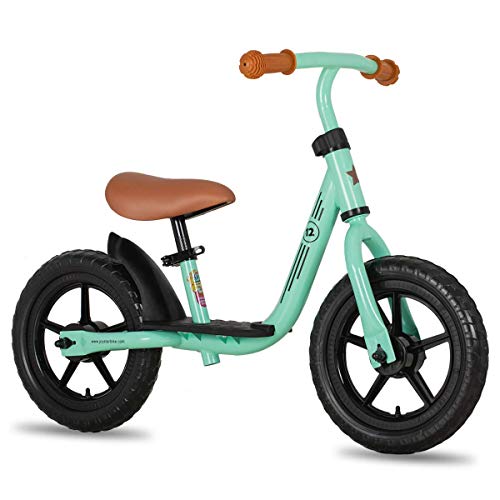
The JOYSTAR 12 Inch Kids Balance Bike targets children aged 2 to 5 years, focusing on ease of use with its step-through frame design. This feature allows children to mount and dismount the bike effortlessly. The footrest is positioned naturally, enhancing stability as kids learn to balance by simulating coasting on a pedal bike. Its air-free EVA Polymer Foam tires reduce maintenance and provide lightweight riding, making this balance bike practical for daily use.
allobebe Baby Balance Bike – Four Wheels for Extra Stability

The allobebe Baby Balance Bike is specially designed for babies aged 1 to 3 years and sports a unique four-wheel design for heightened stability, assisting beginners in safely learning to balance. Lightweight at just 3.85 pounds, its adjustable seat ranges from 10.2″ to 11″, supporting growing toddlers. Silent wheels ensure it’s suitable for indoor and outdoor activities without damaging floors. It encourages motor skill development and coordination in a quiet and safe way, perfect for novice riders.
KRIDDO Mini Cruiser Balance Bike – Soft Materials for Comfort

Designed for ages 1 to 3, the KRIDDO Mini Cruiser Balance Bike brings a cute and functional design focusing on fine motor skill development. The bike features soft, non-slip handlebars and wide PU wheels for smooth rides. Environmentally friendly TPR materials are used for gripping parts shaped like animal ears and caps, making it easy for kids to hold and engage. Its sturdy frame and widened back wheel support balance improvement while prioritizing comfort and fun.
Strider 12” Pro Bike – Lightweight Speed for Young Riders

The Strider 12” Pro Bike offers an ultra-lightweight design geared toward active toddlers aged 1 to 4 years ready to advance their riding skills. Like the Sport model, it includes a padded seat, mini grips, a safety pad, and foam tires that never go flat. The bike’s tool-free adjustability in seat and handlebar height, starting at 11″, caters to children with inseam lengths of 12-18″, enabling long-term use. The performance footrest encourages confident balancing and striding.
Buying Guide: How to Choose the Best Mini Glider Balance Bike
When selecting a mini glider balance bike, considering multiple factors ensures the bike fits your child’s age, developmental needs, and safety standards.
Age and Size Appropriateness
Pick a balance bike with a seat height and frame size suitable for your child’s current inseam measurement. Adjustable seat and handlebars extend usability as your child grows. For toddlers under 3, look for lightweight frames and low starting seat heights for easy accessibility.
Wheel Type and Maintenance
Two main types of tires exist: foam-filled and air-filled. Foam or EVA tires are puncture-proof and virtually maintenance-free but offer less shock absorption. Air-filled tires provide smoother rides on rough terrain but require regular inflation and risk punctures. Consider indoor versus outdoor use to decide on the best option.
Frame Material and Weight
Durable yet lightweight frames, often aluminium or steel, make it easier for young riders to maneuver their bikes confidently. Light bikes reduce fatigue and improve control, especially for beginners.
Safety Features
Check for padded seats, soft grips, and safety pads on the frame or handlebars to protect your child during falls or trips. Some models include footrests where kids can comfortably rest their feet while coasting, promoting proper posture and balance.
Design and Stability
Mini glider balance bikes commonly come in two, three, or four-wheel designs. Four wheels provide extra stability for beginners but may delay development of full balance skills. Two-wheelers encourage balance and coordination from the start. Consider step-through frames for easy mounting and dismounting to reduce falls.
Ease of Assembly and Adjustments
Look for models with tool-free adjustments for quick seat or handlebar changes as your child grows. Simple assembly instructions help parents set up the bike stress-free.
By balancing these considerations—age suitability, wheel type, weight, safety, and ease of use—you can select a mini glider balance bike that nurtures your child’s confidence, coordination, and joy in early riding experiences.