For parents seeking a reliable, kid-friendly bike helmet, these models are tailored to small heads, growing into older ages, and everyday outdoor use. The top picks here emphasize adjustable fit, ventilation, and kid-friendly designs. The best-suited buyers range from new riders who need simple adjustments to growing athletes who require durable protection across multiple activities. Below is a quick summary of five strong choices to help you decide quickly.
| Product | Best For | Key Benefit |
|---|---|---|
| BELL Marvel Spider-Man Mowhawk | Creative young riders | 8 vents for cooling |
| OUWOER Adjustable Multi-Sport | Growing kids | 3 sizes, comprehensive safety |
| Bell Spidey Eyes Toddler | Younger preschoolers | High-visibility reflectors |
| Safuty1st 7-In-1 Gear Set | All-in-one protection | Includes pads and bell |
| Besttravel Kids Bike Helmet | Active toddlers | Adjustable, rugged shell |
The following detailed sections compare five top options that align with the “little boy bike helmet” search intent. Each product section explains who it’s best for, why it was selected, and a practical caveat to consider before you buy.
BELL Marvel Spider-Man Mowhawk Helmet
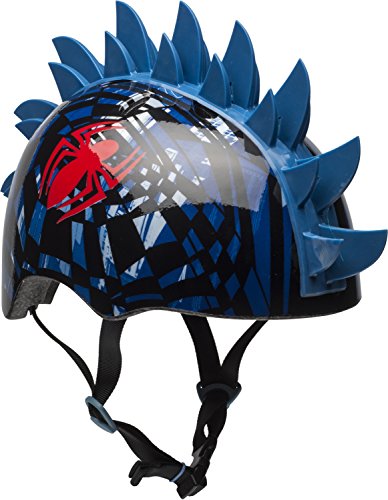
Best for imaginative riders who respond positively to character-themed helmets. This model is designed for ages 5-8 with a head size fit of 50-54 cm and includes eight vents to maintain cooling during play and rides. The side-squeeze buckle offers straightforward adjustments for quick on-and-off use. Choose this if your child loves Spider-Man and you want a lightweight helmet that stays comfortable on longer outings. A potential limitation is that it targets a narrower age range, so fit may vary as your child grows.
OUWOER Adjustable Multi-Sport Helmet
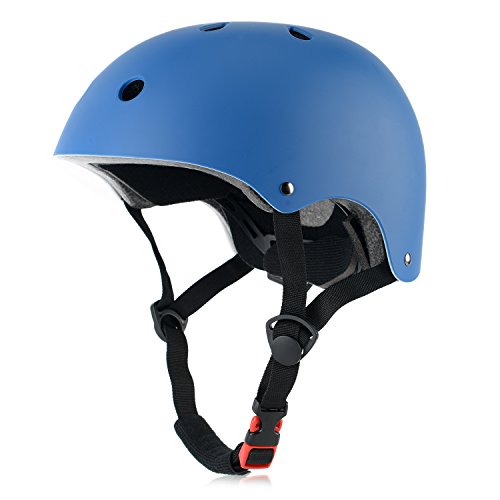
Best for growing kids who need a single helmet for multiple ages and activities. It offers three sizes (Small, Medium, Large) that fit children from toddlers to teens, with a robust ABS shell and EPS foam for impact absorption. It complies with U.S. safety standards for helmets for persons age 5 and older, and features 11 vents for airflow. This is a versatile choice for households with siblings or a child who participates in various sports such as biking, skateboarding, and skating. Limitation: switching between sizes requires rechecking the fit as kids grow quickly.
Bell Spider-Man Spidey Eyes Toddler Helmet
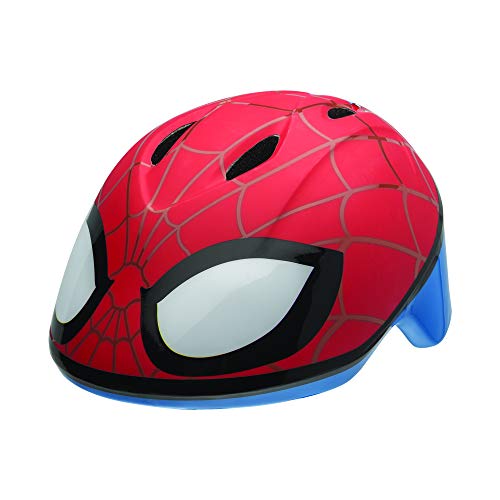
Best for very young riders who need a snug, age-appropriate option. Designed for ages 3-5 with a size range around 48-52 cm, this helmet emphasizes visibility with high-impact reflectors and a familiar Spider-Man theme that encourages wearing protection. It’s a straightforward, low-profile helmet ideal for short trips and neighborhood rides. Caution: head measurements vary, even within age ranges, so a precise fit is essential to ensure safety.
Safuty1st 7-In-1 Protective Gear Set

Better for parents seeking an all-in-one protection kit. This set includes a 3D-adjustable helmet, two knee pads, two elbow pads, two wrist pads, a helmet lining, and a bicycle bell. It certifies with CPSC 1203 and ASTM 1447 dual safety standards, offering broad protection for cycling, skating, and scooters. Best for: families who want to simplify gear purchases and ensure consistent safety gear across activities. Limitation: the added pads increase bulk, which may be less comfortable for very young riders during long rides.
Besttravel Kids Bike Helmet

Best for active toddlers and early riders who need a sturdy, adjustable option for a variety of sports. It features a rugged ABS shell and a shock-absorbing EPS core for reliable protection. The helmet is easily adjustable to grow with your child, offering a value-focused choice for families introducing biking, skating, or scooters. Caution: ensure the head size fits within the 48-54 cm range to maintain optimal protection and comfort.
Bimalsic Toddler Helmet With 12 Vents

Best for very young riders needing extended head coverage and ventilation. This helmet offers 12 vents and an adjustable dial fit, with a durable outer shell designed for neck strength considerations in toddlers aged 6 months to 2.5 years. It emphasizes safety certifications including dual standards and extended coverage. Consider the specific age and head circumference to ensure a proper fit, as size labels can vary by brand.
Buying Guide
What should you consider before buying a little boy helmet?
- Age and head circumference: Match the helmet size to your child’s exact measurements for safety and comfort.
- Ventilation: Prioritize models with multiple vents to reduce overheating during summer rides.
- Adjustment system: Look for quick-adjust buckles or dial-fit systems that stay secure as children grow.
- Certification: Ensure the helmet meets relevant safety standards (CPSC, ASTM) for age-appropriate use.
- Design and visibility: Kid-friendly visuals and reflective features improve acceptance and safety on the road.
- Use case: If your child rides indoors or on flat terrain, a lighter helmet may suffice; for multi-sport use, a versatile, multi-activity helmet is preferable.
Frequently Asked Questions
- What is the essential age range for a child’s first bike helmet?
Most helmets are sized for ages 3-8, but always measure head circumference for accuracy. - How tight should a helmet be?
It should sit level on the head, cover the forehead about an inch, and feel snug but not press aggressively. - Are character-themed helmets safe?
Yes, as long as they meet safety standards and fit properly. - Can a helmet be used for multiple sports?
Some models are designed for cycling, skateboarding, and roller sports; check the product description for multi-sport applicability. - How often should helmets be replaced?
Replace after a significant impact or if the fit is no longer secure due to growth or wear. - Is it okay to use a larger helmet for growing kids?
Not recommended; an oversized helmet reduces protection. Use adjustable or size-appropriate options.