Finding the best lightweight hardtail mountain bike can elevate your riding experience by providing agility, speed, and comfort on various terrains. These bikes combine durable frames, reliable braking systems, and efficient gearing to meet both beginner and advanced riders’ needs. Below is a summary of some top picks featuring different wheel sizes, materials, and suspension setups to help you make an informed choice.
| Bike | Frame Material | Wheel Size | Speed | Brakes | Suspension |
|---|---|---|---|---|---|
| SmiloSprk Hardtail Mountain Bike | High Carbon Steel | 27.5″ | 21-Speed | Dual Disc Brakes | Suspension Fork |
| Mongoose Argus ST Fat Tire Mountain Bike | Steel | 26″ | 7-Speed | Mechanical Disc Brakes | Rigid Fork |
| Mongoose Switchback Trail Hardtail Mountain Bike | Alloy | 27.5″ | 21-Speed | Mechanical Disc Brakes | Front Suspension |
| Huffy Hardtail Mountain Trail Bike | Aluminum | 24″, 26″, 27.5″ | 21-Speed | V-Brakes | Rigid or Basic Suspension |
| Mongoose Flatrock 21-Speed Hardtail Mountain Bike | Aluminum | 24″, 26″, 29″ | 21-Speed | Mechanical Disc Brakes | Front Suspension |
SmiloSprk Lightweight Hardtail Mountain Bike

The SmiloSprk Hardtail Mountain Bike features a high carbon steel frame with an integrated suspension fork to absorb shocks efficiently, ensuring smooth rides on rugged trails. Its 21-speed twist shifting enables effortless gear changes, paired with dual disc brakes for strong and reliable stopping power. Equipped with 27.5-inch all-terrain tires, this bike provides excellent grip and stability on a variety of surfaces, from city roads to mountain paths. The design includes a hidden cable system and multi-layer electrostatic coating for durability and sleek aesthetics, making it both a functional and stylish option for adventurers.
Mongoose Argus ST Fat Tire Mountain Bike
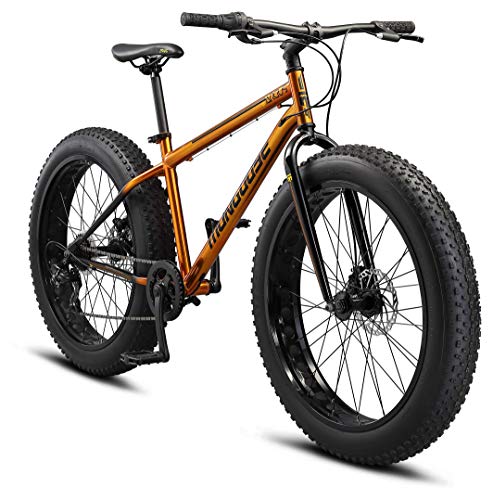
The Mongoose Argus ST introduces riders to fat tire biking with its 26-inch wheels designed for riders between 5’7″ to 6’1″. Its wide 4-inch knobby tires excel on loose sand, deep snow, gravel, and challenging trails, offering unmatched grip and control. Built with a sturdy steel hardtail frame and rigid fork, the bike balances durability with lightweight performance through drilled aluminum rims. Equipped with mechanical disc brakes, the Argus ST offers reliable stopping power across various all-season terrains.
Mongoose Switchback Trail Hardtail Mountain Bike
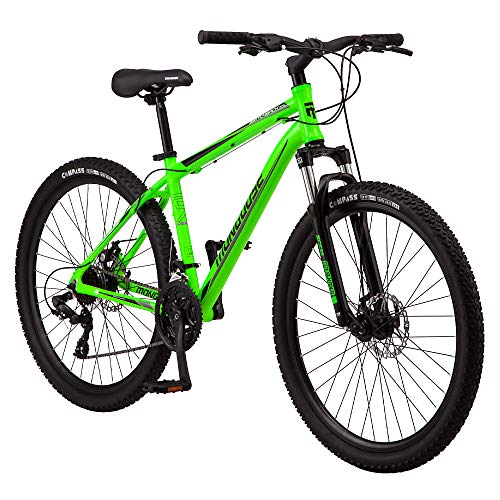
The Mongoose Switchback Trail boasts an alloy mountain frame with a front SR Suntour XC-E28 suspension fork, designed for riders 5’4” to 6’2”. It includes a 21-speed drivetrain for precise gear shifts and mechanical disc brakes to ensure dependable stopping in diverse conditions. Perfect for trail enthusiasts, this hardtail combines lightweight framing with effective suspension to handle rough paths with ease.
Huffy Hardtail Mountain Trail Bike
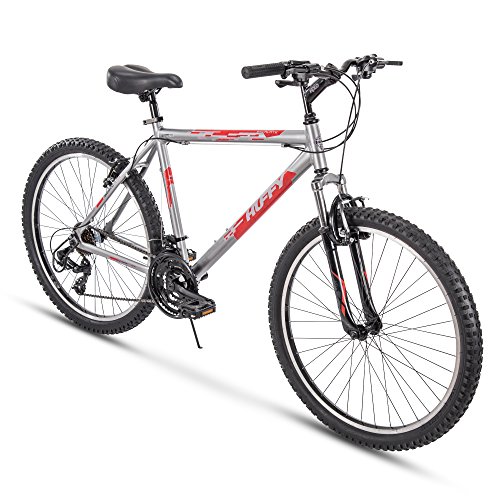
The Huffy Hardtail Mountain Trail Bike features a lightweight aluminum frame that provides better rolling momentum for faster pedaling and acceleration. Available in multiple wheel sizes including 24, 26, and 27.5 inches, it comes backed by a 10-year limited warranty. The bike uses a Shimano drivetrain with a rear derailleur for smooth and reliable 21-speed shifts. It includes a premium padded ATB saddle, making it a comfortable and versatile choice for riders seeking aluminum frame durability paired with efficient shifting capability.
Mongoose Flatrock 21-Speed Hardtail Mountain Bike

The Mongoose Flatrock is a versatile hardtail mountain bike built with a lightweight aluminum frame, available with 24, 26, or 29-inch wheels suitable for youth and adult riders from 4’4″ to 6’0″. It offers a 21-speed drivetrain and front suspension fork for absorbing bumps and uneven ground. Designed for all-terrain use, the Flatrock comes with knobby tires for enhanced grip and stability, making it ideal for both casual followers of trail riding and more serious outdoor adventurers.
Buying Guide: Choosing the Best Lightweight Hardtail Mountain Bike
When selecting a lightweight hardtail mountain bike, consider the following key factors to ensure the bike suits your riding style and terrain preferences:
1. Frame Material and Weight
The frame material significantly impacts the bike’s weight and durability. Aluminum frames offer a lightweight ride with resistance to rust, making them suitable for faster, less aggressive trail rides. Steel frames provide greater durability and shock absorption but tend to be heavier. High carbon steel can be a balanced choice if weight is managed effectively.
2. Wheel Size
Common mountain bike wheel sizes include 26″, 27.5″, and 29″. 26-inch wheels are agile on technical trails, while 27.5-inch wheels provide a smooth ride with better momentum and control. 29-inch wheels excel on rough terrain due to superior rollover capability. Choose based on your height and terrain type.
3. Suspension Type
Hardtail bikes have suspension only on the front fork. Consider a suspension fork for absorbing bumps and improving comfort on rugged trails. Bikes with rigid forks or no suspension are lighter but suited primarily to smoother surfaces.
4. Gearing and Shifting
A wide gear range (typically 21 speeds or more) grants flexibility to handle steep climbs and fast descents. Smooth and reliable shifting systems with quality shifters make gear changes easier during challenging rides.
5. Braking System
Disc brakes offer superior stopping power and reliability compared to traditional rim brakes, especially in wet or muddy conditions. Mechanical disc brakes are easier to maintain, while hydraulic disc brakes provide better modulation but may involve more upkeep.
6. Tire Type and Width
Wider tires with knobby tread patterns improve grip, stability, and shock absorption on loose or uneven terrain. Fat tires provide maximum traction on soft, unstable surfaces but add weight and rolling resistance.
7. Rider Fit and Comfort
Proper bike fit is essential for comfort and control. Check the bike’s frame size relative to your height and inseam length. Features like adjustable seats, ergonomic handlebars, and quality saddles also enhance long-ride comfort.
8. Durability and Maintenance
Select bikes with durable frame coatings and components designed for easy maintenance. Bikes featuring corrosion-resistant materials and enclosed cable designs tend to last longer with fewer repairs.