Choosing the right hand pedal bike setup for a child involves balancing safety, durability, and ease of use. The following selections cover youth bikes, kid-friendly pedals, and accessories that help kids learn balance and pedal control. Each option emphasizes reliable construction, age-appropriate sizing, and user-friendly features to support confident riding.
| Product | Brand | Main Benefit |
|---|---|---|
| N3od3er Kids Bike Pedals 16/18″ Resin 1 Pair | N3od3er | 1/2″ axle, upgraded resin, fits 16″-18″ bikes |
| N3od3er Kids Bike Pedals 16/18″ Resin New | N3od3er | Reflectors, 1/2″ axle, compact size |
| Schwinn Elm Bike, 20 Inch | Schwinn | SmartStart stability, easy starts, kid-sized frame |
| SEREED Toddler Balance Bike | SEREED | Balance-focused, tool-free adjustment, no pedals |
| N3od3er Kids Bike Pedals 12/14″ Resin | N3od3er | 1/2″ axle, reflectors, compact 12″-14″ size |
| ZUKKA Bike Pedals 1/2″ | ZUKKA | Non-slip, reflective strips, kid-friendly ergonomics |
Schwinn Elm Bike: 20-Inch Kids Bike With SmartStart
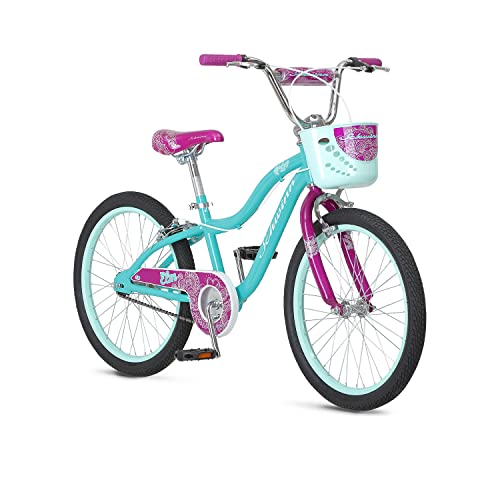
The Schwinn Elm offers a 20-inch wheel size suitable for riders roughly 48 to 56 inches tall, aligning with early elementary growth. SmartStart technology contributes to stability during starts, with a forward-positioned pedal setup and a lighter frame designed for kids’ proportions. A low standover height supports easy on-and-off, while the gearing is tuned for quick launches. The bike combines a rear coaster brake with front and rear hand brakes to ease the transition to bigger bikes as confidence grows. Built with safety in mind, Schwinn emphasizes a durable, child-friendly design from a trusted brand.
SEREED Toddler Balance Bike: 2 to 5 Years

Designed as a no-pedal balance bike, the SEREED model helps young riders learn balance and steering early. It features a sturdy carbon steel frame rated to support up to 110 pounds, a quick-release mechanism for seat and handlebar height adjustments, and a cushioned saddle with rubber grips. Aimed at ages 2–5, this bike supports progression to a pedal bike and includes a decorative plate with stickers for personalization. The focus is on stability, control, and age-appropriate geometry to build confidence before pedaling.
CyclingDeal Training Handle for Kids’ Bikes

The CyclingDeal training handle is designed to aid supervision during early riding stages. It provides a two-handed hold for better stability and is compatible with round seat posts in common sizes (22.2mm, 25.4mm with a shim; 28.6mm without). The product emphasizes safety through a robust, one-piece Cro-Mo steel construction and a patented design (PAT. 18/078.061). While this accessory is not a pedal itself, it complements pedal bikes by giving caregivers a stable way to guide their child while learning balance and steering.
Folding Pedal Exerciser: Desk-Top Pedal Machine
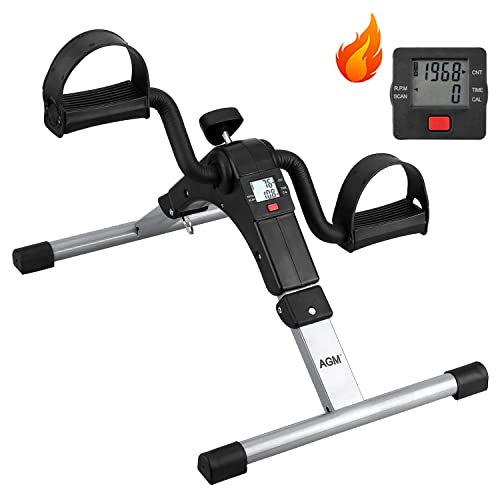
While not a traditional bike, the folding pedal exerciser provides cross-training options for kids and parents alike. It can be used as an arm exerciser on a table or as a leg exerciser beneath a desk. The unit folds for compact storage and includes safe, non-slip pedals with adjustable straps to fit various foot sizes. This accessory supports coordination and muscle engagement, offering a complementary option for young riders who enjoy the physical aspect of cycling even off the bike.
Buying Guide: Key Purchase Considerations
- Age and height compatibility: Choose bikes or trainers that match your child’s current height and growth trajectory. Look for adjustable seats and handlebar heights to extend the usable life of the bike.
- Pedal and axle specifications: For pedal upgrades, confirm the pedal size (common 1/2″ axles) and the intended bike size (12″, 14″, 16″, 18″, or 20″). Reflectors and non-slip surfaces enhance safety on younger riders.
- Balance vs. pedal progression: Balance bikes help with steering and balance before pedaling; consider whether your child benefits from progressive steps toward a traditional pedal bike.
- Braking system: Coaster brakes are simple for beginners, while hand brakes prepare children for bigger bikes. Look for bikes with easy-to-operate braking systems and comfortable levers.
- Weight and durability: Lighter frames are easier for kids to maneuver, but durability matters for long-term use. Stainless or reinforced aluminum frames offer a good balance.
- Brand reliability: Reputable brands with kid-focused designs often provide better safety features, warranties, and customer support.
- Accessory compatibility: If purchasing training handles or pedal upgrades, verify compatibility with your specific bike model and seat post diameter.
- Safety gear alignment: Pair bikes with appropriately sized helmets, knee pads, and elbow pads to maximize safety during practice sessions.
For parents seeking a complete approach, select a primary bike or balance bike aligned with your child’s current riding stage, and add compatible pedals or training accessories as confidence and skill grow. The combination of reliable construction, age-appropriate geometry, and safety features helps ensure an enjoyable learning experience for young riders.