Discover top green bikes and trikes designed for kids, combining durability, safety, and eye-catching style. This guide highlights five standout green options, covering beginner wheels, BMX-inspired models, and balance bikes to suit ages from toddlers to pre-teens. Each pick emphasizes sturdy frames, reliable braking, and kid-friendly features so young riders can explore with confidence.
| Product | Brand | Highlight | Age/Use |
|---|---|---|---|
| Huffy Green Machine 20 Inch Drift Trike | Huffy | LED accents, dual-stick drift control | 8+ |
| JOYSTAR 20 Inch Kids Bike Freestyle | JOYSTAR | Beginner-friendly BMX design | 6-10 |
| cubsala 16 Inch Little Kids Bike | cubsala | Training wheels, coaster & rear V brake | 4-6 |
| AVASTA 20” Big Kids Mountain Bike | AVASTA | Suspension fork, 6 speeds, dual brakes | 6-12 |
| Strider 12” Sport Balance Bike | Strider | Balance-focused, no pedals | 1-4 |
Huffy Green Machine 20 Inch Drift Trike

Designed for dynamic play, the Huffy Green Machine Drift Trike offers dual-stick steering that enables quick turns, 180° spins, and smooth side drifts. The LED accents under the seat and on rear wheels provide a showy light-up effect as kids ride, enhancing visibility and excitement. Built to last, the durable steel frame supports riders up to 180 pounds, while the rear wheels are optimized for slide-style fun. This model is intended for children ages 8 and up who want a drift-focused riding experience with a robust build for daily use.
JOYSTAR 20 Inch Kids Bike Freestyle BMX

JOYSTAR’s 20-inch BMX-style bike targets beginner riders aged about 6 to 10, with a hi-tensile steel frame for reliability and long-lasting comfort. The 19.9-inch top tube and single-speed drivetrain provide straightforward handling, while the rear caliper brake and hand-brake levers offer precise speed control. This bike is well-suited for street riding, parks, and light trail use, helping young riders transition confidently into more advanced cycling as they grow.
cubsala 16 Inch Little Kids Bike

Designed for early cyclists, Cubsala’s 16-inch model includes training wheels and a rear V brake with a chain guard for safety. The high-ten carbon steel frame promises durability, with adjustable saddle height to accommodate growing children. Wide tires offer grip and balance on varied surfaces, while the simple, sturdy design minimizes maintenance needs. This bike aims to provide a stable, confidence-building ride for younger kids just learning to pedal.
AVASTA 20” Big Kids Mountain Bike

AVASTA’s 20-inch mountain bike offers a lower standover frame for easy mounting, improving safety for smaller riders. It features a responsive SHIMANO drivetrain with a front and rear V-brake system for reliable stopping power. The 20″x2.125″ tires and a front suspension fork help absorb bumps on rough roads, trails, and park paths, making it a versatile choice for kids who want more adventurous riding experiences while maintaining control and comfort.
Strider 12” Sport Balance Bike
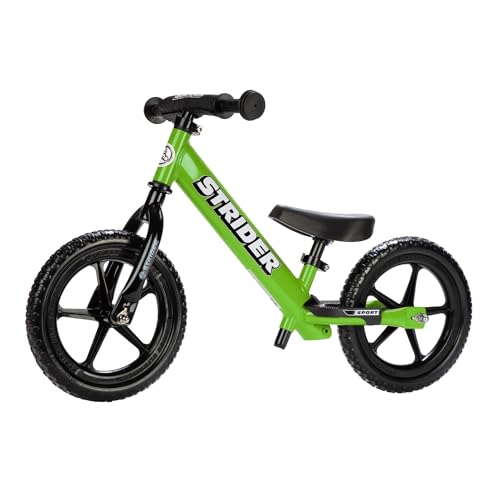
The Strider 12” Sport balance bike emphasizes balance and steering without pedals to build confidence before pedaling. Suitable for children as young as one to four years, this model focuses on core riding fundamentals, including posture, balance, and coordination. It’s a lightweight, low-maintenance option that transitions smoothly to pedal bikes once the child is ready, helping to reduce fall-related anxiety during early rides.
Buying Guide: Key Purchase Considerations
- Rider age and size: Choose bikes or trikes aligned with the child’s height and leg reach. Some models offer adjustable seats and handlebars to grow with the child.
- Skill level and riding goals: Balance bikes suit very young beginners, while BMX-style bikes or drift trikes cater to kids who want more control and stunt-oriented play.
- Braking system: Coaster brakes are common on younger bikes, while front and rear V-brakes or disc brakes provide stronger stopping power for confident riders.
- Frame material and durability: Steel frames are generally robust and affordable; ensure welds and joints are solid, especially for children learning to ride.
- Safety features: Look for training wheels, chain guards, bell or horn, protective padding, and proper tire tread for grip on multiple surfaces.
- Weight and ease of use: Lighter bikes are easier for kids to maneuver and transport, while heavier options may offer additional stability.
- Maintenance needs: Simpler drivetrain and fewer components reduce maintenance time and expenses for busy families.
- Grow-with-you considerations: Adjustable seat height and handlebars extend the usable life of the bike as your child grows.
- Aesthetic and motivation: Green hues and bright accents can encourage regular riding by appealing to kids’ preferences and making the bike highly visible on the road.
- Warranty and support: Check for warranties on frames and components; a robust support policy helps if parts wear out or break.