Finding the right first bike helps kids gain confidence, balance, and coordination while making ride time enjoyable for both child and caregiver. The following selection focuses on bikes that transition smoothly from balance to pedal modes, include training wheels or stable balance designs, and feature adjustable components to grow with the child. Below is a quick summary of five popular options, followed by detailed sections to help families compare features, safety, and usability.
| Product | Brand | Key Benefit |
|---|---|---|
| Schwinn Elm and Koen Bike | Schwinn | Adjustable seat; balance or training wheels |
| SEREED Baby Balance Bike | SEREED | Four wheels; early walking and balance development |
| Little Tikes My First Balance-to-Pedal | Little Tikes | Switchable balance to pedal mode; easy assembly |
| JOYSTAR 12 Inch Bike | JOYSTAR | Trainer wheels; quick-height adjustments |
| WEIZE 16 Inch Kids Bike | WEIZE | Coaster brake; protective chain guard |
Choosing a first bike involves evaluating safety features, growth potential, and ease of use. The options below span balance bikes, transition bikes with pedals, and early ride systems designed for toddlers and preschoolers. Each entry highlights how the bike supports learning to ride, confidence-building, and long-term usability as kids grow taller and more coordinated.
Schwinn Elm And Koen Bike: Balance Or Training Wheels

The Schwinn Elm and Koen offers 12-20-inch wheels, providing a versatile option for children from about 30″ to 54″ tall. It supports a tool-free adjustable seat to grow with the child and features a simple single-speed drivetrain that reduces shifting distractions for new riders. The bike can function with training wheels for beginners or as a balance-focused ride to help kids gain confidence before graduating to a larger bicycle.
SEREED Baby Balance Bike For Toddlers
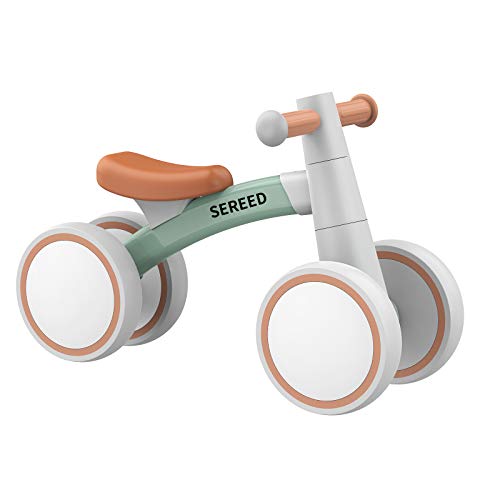
The SEREED balance bike is designed for ages 12-24 months, emphasizing early balance, steering coordination, and confidence. It uses a four-wheel design with no pedals to minimize foot hazards and a 135-degree turning limit with gravity steering to prevent tipping. The sturdy aluminum frame, non-slip handles, and softly cushioned seat support safe indoor and outdoor use, helping toddlers begin coordinated movement before stepping onto pedal bikes.
Little Tikes My First Balance-To-Pedal
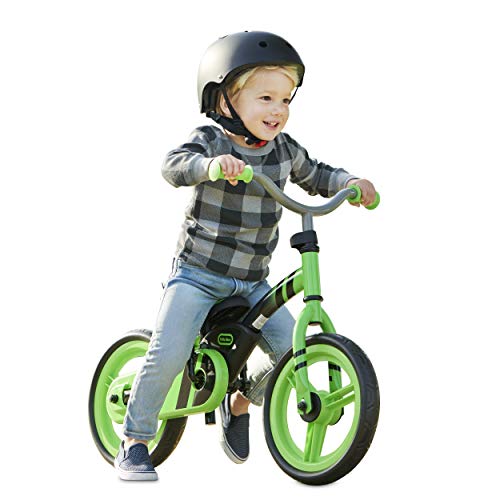
This Little Tikes model is designed for ages 2-5 with a unique balance-to-pedal transition. The pedals can fold in and out, allowing a child to begin with a balance-focused ride and progressively add pedaling. With easy assembly and a simple single-gear setup, caregivers can introduce riding without a steep learning curve, helping kids advance to pedal-powered bikes more quickly than traditional balance bikes alone.
JOYSTAR 12 Inch Kids Bike With Training Wheels

The JOYSTAR 12-inch bike targets early riders with stable training wheels and a quick-release seat for easy height adjustments. The bike emphasizes low-maintenance operation, a single-speed drivetrain, and a durable steel frame to withstand the bumps of early riding. A removable chain guard and kid-friendly design help reduce contact with moving parts while kids learn balance and basic steering. DIY decals offer a personalized touch without sacrificing safety.
WEIZE 16 Inch Kids Bike With Training Wheels

The WEIZE 16-inch bike is designed for children aged roughly 4-7 years. It emphasizes a smaller frame that suits young riders, a handbrake suitable for little hands, and a full-coverage chain guard to protect clothing and skin. The included training wheels help beginners gain balance while keeping momentum controlled, and the coaster brake option offers an intuitive stopping method for youngsters still mastering braking.
Buying Guide: Key Purchase Considerations
When selecting the first bike for a child, consider balance versus pedal readiness. Balance-focused bikes build core skills and confidence, while bikes with pedals speed up progression once balance is established. Look for adjustable components that accommodate growth, such as seat height, handlebar position, and wheel size. Safety features like fully enclosed chain guards, reliable brakes, and protective frame geometry reduce the risk of injuries during falls or mis-timings.
Other important factors include the bike’s weight, ease of assembly, and maintenance requirements. Lighter bikes are easier for small riders to maneuver, while a simple drivetrain reduces maintenance and confusion. Training wheels should be stable and easy to install, and a non-slip, durable tire surface helps with traction on slick surfaces. If the child is transitioning from a balance bike, ensure the frame geometry supports a comfortable pedaling position and proper leg extension during rides.
Durability and warranty are also worth assessing. Brands that offer robust frames, reinforced joints, and clear return policies provide long-term value as a child grows. For families pressed for time, bikes that ship with all parts pre-assembled or require minimal setup save effort and reduce frustrations after unboxing. Finally, consider whether you want a bike with decorative features or a more neutral design that can be used by a future sibling.
In sum, the right first bike balances safety, growth potential, and user-friendliness. The options above cover a range of learning styles—from early balance and stationary steering to quick transitions into pedal riding—so families can select a model that matches a child’s readiness and a caregiver’s riding goals.