Choosing a kid-friendly bike with reliable hand brakes helps young riders develop confidence and control. The models below combine easy braking, adjustable sizing, and kid-safe features. Each option supports growing riders and offers a smoother transition to larger bikes with hand brakes.
style=”display:none;”>Product Summary
| Product | Brand | Wheels / Size | Braking Type | Notes |
|---|---|---|---|---|
| Schwinn Elm Bike | Schwinn | 20″ (for ages 7-13) | Front hand brake + rear coaster brake | SmartStart design; adjustable seat |
| Retrospec Koda Plus | Retrospec | 20″ | Front hand brake (V-brake) + rear braking features | Wide height range; adjustable reach |
| JOYSTAR 20 Inch Girls Bike | JOYSTAR | 20″ | Front hand brake + rear coaster brake | Training wheels, basket, safety features |
| KRIDDO 14-16 Inch Bike | KRIDDO | 14″ / 16″ | Front hand brake + rear coaster brake | Adjustable height; DIY name plate |
| KRIDDO Pro 12″ Balance Bike | KRIDDO | 12″ | Front hand brake + coaster brake | Grows with child; removable training features |
Note: The table highlights bikes with hand brakes suitable for kids learning to ride. Each product caters to different age ranges and growth trajectories.
Schwinn Elm Bike
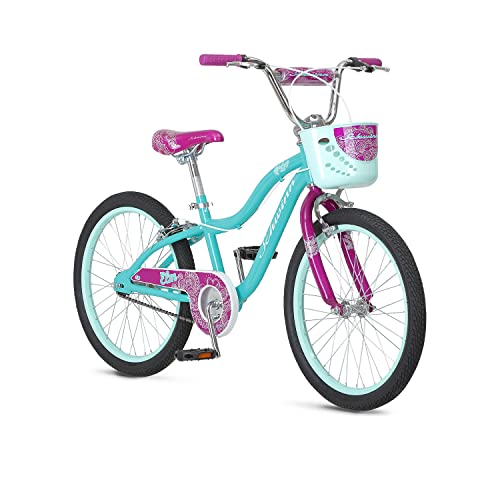
The Schwinn Elm is a 20-inch kids’ bike designed for riders roughly 48 to 56 inches tall, featuring a SmartStart ergonomic design for stability and easier starts. It combines a front hand brake with a rear coaster brake, helping children transition from coaster-only systems to hand brakes. The lightweight frame and forward-positioned pedals support quick starts and better control, while an adjustable seat grows with your child. With a smaller seat and grips, it emphasizes comfort and easy handling during learning phases.
Retrospec Koda Plus Kids Bike

The Retrospec Koda Plus is a 20″ bike built to grow with children ages approximately 6-8 years. It features a front hand brake and a highly adjustable reach to fit smaller hands, promoting early proficiency with hand braking. The bicycle is lightweight—about 23.25 pounds—making it easier for young riders to maneuver. Its broad height range allows the same bike to accompany a child as they gain height, balance, and confidence. The combination of a precise hand brake and ergonomic design helps learners develop controlled stopping skills.
JOYSTAR 20 Inch Girls Bike

JOYSTAR’s 20″ Angel bike targets young riders around 7 to 10 years old, offering a hand brake along with a rear coaster brake for robust stopping power. The bike uses a low stand-over steel frame, making it easier for kids to mount and dismount. A safety-minded design includes an enclosed chain guard and removable training wheels to support early balance skills. The colorways and simple drivetrain are intended to boost confidence while teaching the fundamentals of braking and steering.
KRIDDO 14-16 Inch Bike

KRIDDO’s 14-16 inch bike line is designed to grow with a child from ages roughly 3 to 8. It combines a front hand brake with a rear coaster brake, giving learners two braking options as they build coordination. Height adjustability for seat and handlebars supports multiple growth stages. A removable DIY name plate lets kids personalize their bike, which can be motivating when practicing braking and steering in real-world settings.
KRIDDO Pro Toddler Balance Bike (12 Inch)

KRIDDO’s 12-inch Pro toddler balance bike blends a hand brake with a coaster braking system and a kickstand. While primarily a balance bike and rider-prep tool, the hand brake capability introduces early braking concepts for toddlers, helping them transition to pedal bikes smoothly later. The bike emphasizes a sturdy frame, easy grip controls, and customization options like the name plate and stickers, giving young riders a sense of ownership and control during early practice sessions.
Buying Guide: Key Considerations For Choosing A Bike With Hand Brakes
- Rider Age And Height: Select a bike with an appropriate wheel size (often 20″ for ages 6-8, 14-16″ for younger children) and an adjustable seat/post to accommodate growth.
- Braking System: A combined front hand brake and rear brake (coaster or hand) can offer progressive learning. A reliable hand brake should be easy to reach and operate with small hands.
- Weight And Maneuverability: Lighter frames help children handle steering and braking more confidently. Look for aluminum or lightweight steel frames.
- Safety Features: Enclosed chains, training wheels, kickstands, and reflectors or bells add safety and confidence during early rides.
- Grow-With-Them Design: Bikes with adjustable stems and seats extend the usable life of the bike as your child grows.
- Maintenance And Replacement Parts: Availability of replacement cables, brake levers, and tires is important for long-term use.
- Transition Readiness: For younger riders, a balance bike with gradual braking exposure helps prepare for pedal bikes with hand brakes later on.
- Aesthetics And Comfort: Ergonomic grips, saddle height, and frame geometry influence comfort and willingness to ride frequently.
When evaluating options, compare braking responsiveness, ease of adjustability, and overall weight. A bike that allows progressive braking skills and comfortable riding can support safer, more enjoyable learning experiences for children.