The right bike pedal crank arm can improve shifting efficiency, pedaling smoothness, and overall ride reliability. This guide highlights five reliable crank arms designed for common left-side replacements, focusing on 170mm lengths and compatibility with 9/16″ pedals. Each pick includes key features, install considerations, and practical notes to help you choose the best match for your bicycle—whether you ride mountain, road, or electric bikes.
Product Summary Table
- Epessa Crank Arm Left 170mm (Diamond & Square Hole) — 210mm total length; aluminum alloy; 9/16″ pedal compatible
- BLLREMIPSUR 2 Pcs Left Cranks, 170mm — steel, 2-pack; diamond hole compatibility; robust build
- WEEROCK Left Crank Arm 170mm — steel; diamond hole
- Rhinenet Left 170mm Crank Arm — aluminium alloy; diamond hole; left arm only
- PROWHEEL Ebike Crank Arm Square Hole 140–175mm — forged alloy 6061; square taper; electric bikes
Epessa Left Crank Arm 170mm — Diamond or Square Hole
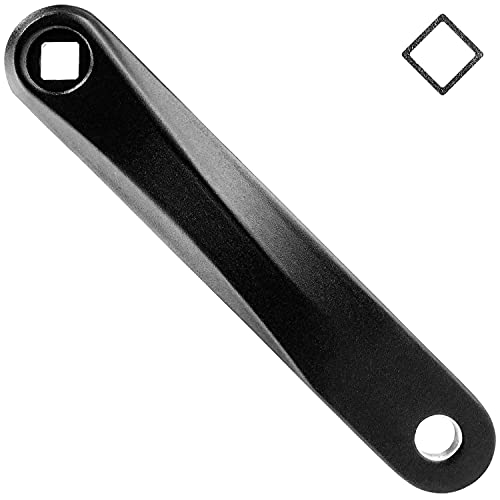
Epessa offers a left crank arm compatible with both diamond and square hole interfaces, with a center-to-center length of 170mm and a total length of 210mm. The aluminum alloy construction aims to balance light weight with durability. It fits 9/16″ pedals, making it suitable for a broad range of mountain and road bikes. When replacing, verify that your original crank port matches the interface style (diamond or square) to ensure a proper fit.
BLLREMIPSUR Left Crank Arm Pair — 170mm

This BLLREMIPSUR set includes two left crank arms, both 170mm center-to-center. The product emphasizes a left-side fit for diamond-hole spindles and uses solid steel construction for high strength and long service life. Before purchasing, confirm whether your current crank uses a diamond or square hole, since this set is designed for diamond-hole interfaces and may not fit square-holed cranks.
Epessa Left Crank Arm 170mm — Aluminum Alloy

This Epessa option mirrors its 170mm length and offers both diamond and square interface compatibility. The two-port equivalence ensures the same mounting dimensions, with a 170mm arm length and 210mm overall length. Aluminum alloy construction aims to deliver a good blend of stiffness and lightness, along with compatibility for 9/16″ pedals.
WEEROCK Left Crank Arm 170mm — Steel

WEEROCK offers a durable steel left crank arm at 170mm length, designed for strong performance in rugged riding conditions. The product specifies a diamond-hole installation, which is an important compatibility detail for older or certain aftermarket crank systems. This option suits riders prioritizing rigidity and resilience for frequent mountain or all-terrain use.
Rhinenet Left 170mm Crank Arm — Diamond Hole

Rhinenet provides a left-side crank arm in a 170mm length, crafted from aluminium alloy for lightness with adequate stiffness. The listing highlights a diamond-hole interface and emphasizes easy installation and solid workmanship, suitable for a wide range of road, mountain, or hybrid bikes that use a left-arm-only replacement.
PROWHEEL Ebike Square Hole Crank Arm — 140–175mm

PROWHEEL’s crank arm is designed for electric bikes, offering a square taper interface and multiple length options from 140mm to 175mm. Available in various sizes, including 170mm, this forged alloy 6061 crank arm emphasizes strength and durability. Ideal for mid-mounted motor setups, it ensures compatibility with square-hole crank ports and requires verification of orientation before purchase.
Buying Guide
When choosing a bike pedal crank arm, consider the following aspects to ensure proper fit and performance:
- Interface type: Identify whether your crank uses a diamond or square hole interface. Mixing interfaces will prevent installation or cause unsafe operation. Many replacements are offered in both, but compatibility must be confirmed.
- Arm length: The common length is 170mm, but some riders prefer 165mm, 175mm, or other sizes depending on leg length, pedaling style, and bike geometry. Longer arms reduce knee strain but can affect clearance; shorter arms can improve cadence on climbs.
- Material and durability: Aluminum alloys provide a good balance of weight and stiffness, while steel offers extra rigidity and durability. Aluminum is typical for road and hybrid bikes; steel is common for MTB in rugged environments.
- Spindle compatibility: Ensure the crank arm tail fits your bottom bracket and spindle type (e.g., 9/16″ pedal compatibility is common, but some bikes use 1/2″ or other standards).
- Intended use: Electric bikes may require specific square-hole or high-strength cranks to handle higher torque. Off-road bikes may benefit from steel or reinforced aluminum for durability.
- Installation effort: Some crank arms are straightforward replacements, while others may require removing a crankset, thread-check, or a puller tool. For maintenance tasks, consider a compatible crank puller tool (like LBOKLING) for future service.
- Left-arm only vs. paired sets: Some listings provide only a left arm. Verify whether you need a left arm replacement or a complete pair to restore symmetry and balance.
Performance considerations include how the crank arm interacts with chainrings, bolts, and the bottom bracket. Always check the original crank specifications (hole type, center-to-center length, overall length) and match to the replacement. For electric bikes, ensure the crank arm’s dimensions do not interfere with the motor housing or chainline. And if possible, consult a bike technician to confirm compatibility for your exact model and riding style.