cyclists rely on compact, rugged first aid kits to stay safe on the trail or commute. This guide highlights five top bike-focused kits that balance compact design, comprehensive supplies, and frame-attachment convenience. Each pick is designed to mount on a bike, be easy to access while riding, and cover common injuries from road rash to minor cuts. The products below come from reputable brands and include a mix of ultralight options and more complete trail-survival sets to fit different rider needs.
| Product | Brand | Highlighted Features |
|---|---|---|
| CureIT Bike First Aid Kit | CureIT | Compact, weatherproof case; attaches to bike frame; 50 essential supplies |
| Flash-Aid Cycling First Aid Kit | Flash-Aid | Triangular pouch mounts to frame; wound care essentials; road rash and trauma ready |
| RHINO RESCUE Ultralight First Aid Kit | RHINO RESCUE | Ultralight, waterproof; 79+ items; compact for hiking and cycling |
| THRIAID Mini First Aid Kit | THRIAID | 100 pieces; water-resistant shell; fits in bike, car, bag |
| Brave Soldier Cyclist First Aid Kit | Brave Soldier | All-in-one kit; antiseptic ointment; lightweight |
Each kit offers different balances of weight, capacity, and accessibility. Use the Buying Guide below to decide which fit best with your riding style, storage space, and anticipated emergencies.
CureIT Bike First Aid Kit Review

The CureIT kit emphasizes a compact, secure design that attaches to a bicycle frame for on-the-go access. It ships with 50 essential supplies and a weatherproof casing to keep items dry in rain or splashes. Its compact size minimizes bulk on the frame while still delivering practical wound care basics for minor injuries while cycling.
Flash-Aid Cycling First Aid Kit for Riders

Designed specifically for cyclists, this kit uses a triangular pouch that mounts directly to the bike frame. It includes gauze, adhesive bandages, cleansing pads, and gloves, streamlining access during rides. The organization focuses on wound care and trail-side emergencies, helping riders manage road rash, cuts, and scrapes quickly without unpacking their jersey or saddle bag.
RHINO RESCUE Ultralight First Aid Kit

RHINO RESCUE offers an ultralight, waterproof option suited for cycling and other outdoor activities. The kit weighs roughly 0.45 lb when fully equipped and measures compactly for easy backpack or bike frame storage. It includes 79 high-quality essentials, balancing a broad set of wound care items with a lightweight footprint ideal for endurance riders.
THRIAID Mini First Aid Kit
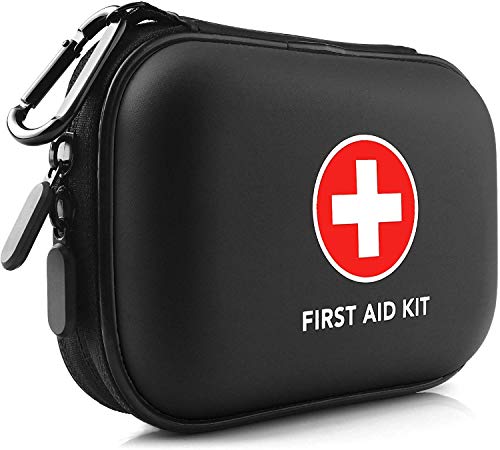
THRIAID delivers a compact, 100-piece kit in a water-resistant shell. The case is designed to fit in tight spaces such as a backpack, car, or even a bike bag, and its EVA material enhances durability. It includes a broad mix of bandages, gauze, and essentials, making it versatile for travel or cycling trips where space is at a premium.
Brave Soldier Cyclist First Aid Kit

Brave Soldier focuses on a cyclist-friendly, compact kit that includes antiseptic ointment, gloves, bandages, and wound care supplies. Stored in a 6″ x 8″ Mylar bag, the kit is lightweight and rollable, allowing easy storage in a jersey pocket or small saddlebag. It’s designed to handle multiple minor wounds or scrapes during a ride.
Buying Guide: Key Purchase Considerations
- Weight and size: For long rides, favor ultralight, compact kits that fit on the bike frame or in a small bag without adding noticeable bulk.
- Water resistance: A weatherproof or waterproof case helps protect supplies from rain, splashes, and sweat. This is especially important for all-season cyclists.
- Supply breadth: Consider whether you want basic wound care items only or a more complete set including gloves, wipes, antiseptics, bandages, and blister care for longer adventures.
- Attachment method: Frame mounting vs. bag storage—choose based on how accessible you want supplies during a ride and your bike’s frame design.
- Durability: Look for reinforced shells, sturdy zippers, and high-quality fabric to withstand outdoor conditions and frequent use.
- Expandability: Some kits offer room to add your own items, such as prescription meds or extra gauze, which can be valuable for longer trips or family rides.
- Intended use: Road vs. mountain biking can influence which items are prioritized—road rash care vs. more rugged trauma care, blister prevention, and heat-related care for shocks and falls.
- Certification and safety: International certifications and tested materials can indicate reliability and safety of the included supplies.
Additional Considerations And Best Practices
When selecting a bike first aid kit, align the kit’s contents with your riding style, climate, and typical ride length. For urban commuting, a smaller, easily accessible kit might suffice, while long weekend rides or mountain adventures may justify a more comprehensive setup. Regularly check and refresh supplies—expiration dates, torn bandages, or depleted wipes should be replaced promptly. Consider carrying a small, durable pair of gloves to maintain hygiene when treating injuries in remote or outdoor environments.
How To Use A Bike First Aid Kit On The Trail
Keep the kit in a consistent, easily reachable location on your bike or in your pack. In an emergency, prioritize cleaning wounds with available wipes or clean water, apply antiseptic ointment, and cover with a bandage. For more serious injuries requiring professional care, use a phone or rider buddy to seek help, and only perform first aid within your training and comfort level. After every ride, inspect the kit for wear and replenish supplies as needed.