Choosing the right balance bike can help children build confidence, develop motor skills, and transition smoothly to a pedal bike. The following five options are selected for safety, durability, and ease of use, with features that may particularly benefit autistic riders who benefit from predictability, grip, and stability. The list includes lightweight frames, adjustable components, and reliable tire systems to support sensitive balance and coordination. Use the buying guide below to compare beyond the features listed here.
| Product | Brand | Age Range | |
|---|---|---|---|
| Strider 12” Sport Bike, Green | Strider | 1 to 4 years | Lightweight; easy tool-free adjustments; flat-free tires |
| Bixe Balance Bike – 16″ Green | Bixe | 4 to 9 years | No-pedal design; durable with safety features |
| SEREED Toddler Balance Bike (Black) | SEREED | 2 to 5 years | Quick-release adjustments; sturdy carbon steel frame |
| Schwinn Elm and Koen Bike | Schwinn | 2 to 13 years | Grow-with-child design; adjustable seat |
| Bixe Balance Bike – 16″ Pink | Bixe | 4 to 9 years | Colorful option with durable construction |
Strider 12” Sport Balance Bike
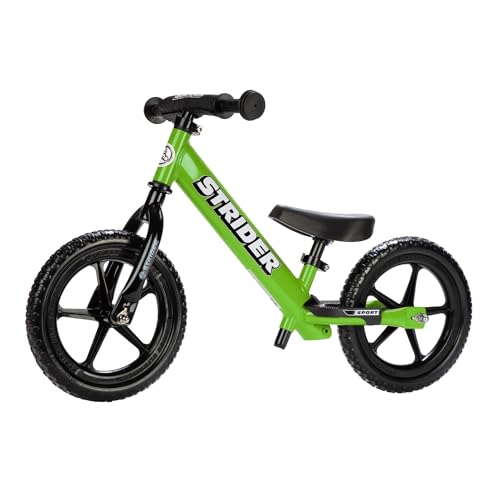
The Strider 12” Sport Bike is designed for early experience with balance and steering. Its lightweight frame helps reduce the physical effort required for toddlers to glide and learn control. Features include flat-free tires, a padded seat, and padded safety pads for added comfort and protection. The bike emphasizes tool-free assembly and adjustments, enabling quick setup and ongoing fine-tuning as a child grows. For autistic riders who benefit from a predictable, stable feel, the Strider’s low center of gravity and simple mechanics support steady practice without pedaling distractions. The brand’s long history in the balance bike space provides additional peace of mind for caregivers.
Bixe Balance Bike – 16″ Green

The Bixe 16″ Green balance bike targets young riders aged 4 to 9 and teaches balance and steering before pedaling. It emphasizes safety and durability, with tamper-proof clamps and safety washers on the wheels. The pedal-free design helps minimize sensory overload and improves focus on balance and control. For autistic children who respond well to clear, straightforward mechanics, this bike offers a simple, reliable learning path and a bright, motivating color option that can enhance engagement during rides.
SEREED Toddler Balance Bike (Black)

The SEREED Toddler Balance Bike in Black is built with a sturdy carbon steel frame and a wide starting seat height, supporting early riders up to 110 lbs. Its quick-release mechanism allows tool-free adjustments to seat and handlebar heights, enabling a comfortable fit as a child grows. This model focuses on a stable, secure ride, with a padded footrest and rubber grips to help with grip and balance—beneficial for children who need consistent tactile feedback during balancing practice. The included personalized plate and stickers offer a customizable, low-stimulus way to engage the child in their own bike experience.
Schwinn Elm and Koen Balance Bike
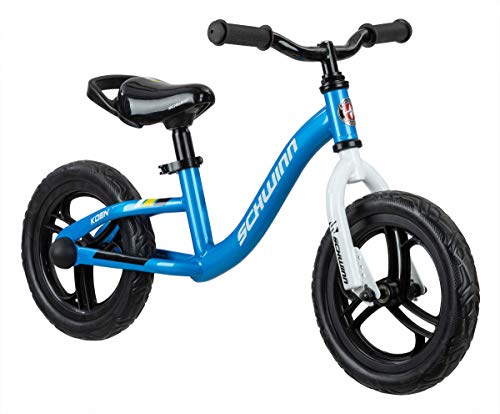
The Schwinn Elm and Koen 12-20 inch bike line offers a flexible option for growing riders, combining easy handling with an adjustable seat for a long-lasting fit. Its balance-bike design supports early balance and steering practice, while the optional training wheels allow a gentle transition to full pedaling as comfort grows. For autistic children who benefit from consistent, predictable riding experiences, Schwinn’s ergonomic approach and straightforward gear layout help minimize surprises during rides and practice sessions. The bike’s simple setup and adjustable components make it a practical choice for families seeking a scalable option.
Bixe Balance Bike – 16″ Pink

The Pink version of the Bixe 16″ balance bike provides the same safety-first design and durability as the green model, with a visually engaging color to help maintain interest during learning sessions. Ideal for children who prefer a bright, cheerful appearance, this bike features a no-pedal design that concentrates attention on balance, weight transfer, and steering. The construction prioritizes safety, with reliable clamps and protective components designed to withstand active play and repeated rides, while encouraging consistent practice routines that can be especially beneficial for autistic riders who thrive on routine and predictability.
Buying Guide
Key considerations when selecting a balance bike for autistic children include size and growth range, grip and tactile comfort, visual and auditory stimuli, and the level of setup effort required by caregivers. For younger children, look for a low-weight frame, a stable low center of gravity, and a seat height that allows the child to touch the ground with both feet. Adjustable handlebars and seat heights are essential as children grow, reducing the need for frequent replacements. Grip textures, padding on bars and seats, and quiet tires can help minimize sensory distractions during riding.
Durability and safety features matter: consider bikes with tamper-proof clamps, durable steel or aluminum frames, and secure footrests. No-pedal designs encourage early balance and steering practice without the cognitive load of pedaling. Simplicity often benefits autistic riders by reducing potential confusions during practice. Include a plan for gradual exposure: short, frequent sessions with consistent routines can support skill development.
Accessibility and adaptation are important too. Choose colors and designs that encourage engagement and a sense of ownership, and ensure the bike’s assembly is straightforward for caregivers. If needed, integrate sensory-friendly routines—quiet riding spaces, predictable paths, and a consistent cadence—to help a child build confidence and comfort while learning to ride.
Overall, the best balance bike for an autistic child blends safety, adjustability, and a calm user experience. The options above provide a range of sizes, materials, and features that support gradual skill growth, helping a child gain balance, steering, and confidence on two wheels.